
Wed May 21 03:30:00 UTC 2025: **News Article:**
**Bengaluru Residents Urged to Re-Evaluate Urban Wildlife Interactions**
**Bengaluru, May 21, 2025** – A recent discussion hosted by Early Bird, a non-profit dedicated to bird education, highlighted the complex relationship between humans and urban wildlife in Bengaluru and beyond. Experts emphasized the need for greater understanding and responsible interaction to ensure a peaceful co-existence.
Jayanthi Kallam, Executive Director of the Avian and Reptile Rehabilitation Centre (ARRC) in Horamavu, shared insights on common issues arising from a lack of knowledge about urban animals. She stressed that animals like crows possess intelligence and can recognize individuals, impacting human-animal interactions.
California-based engineer and wildlife enthusiast Shankar Shivappa echoed this sentiment, emphasizing that humans are an integral part of nature and that cities are vibrant ecosystems utilized by various wildlife species. He cautioned that children, particularly those living in urban environments, may be growing up without regular exposure to nature, leading to disconnect.
The discussion tackled crucial topics such as the impact of social media on wildlife rescues, fostering better connections between children and nature, the ethics of feeding urban wildlife, the problems associated with the exotic pet trade, and the rise of India as a hub for wildlife smuggling.
One key point of contention was the practice of feeding wild animals. While Jayanthi Kallam acknowledged that feeding animals is not legally restricted in India (unless it endangers the animal), she urged careful consideration of the ecological consequences. Overfeeding adaptable species like pigeons can lead to population imbalances and displacement of other animals. Shankar Shivappa suggested alternatives, such as planting vegetation that provides natural food sources for urban wildlife.
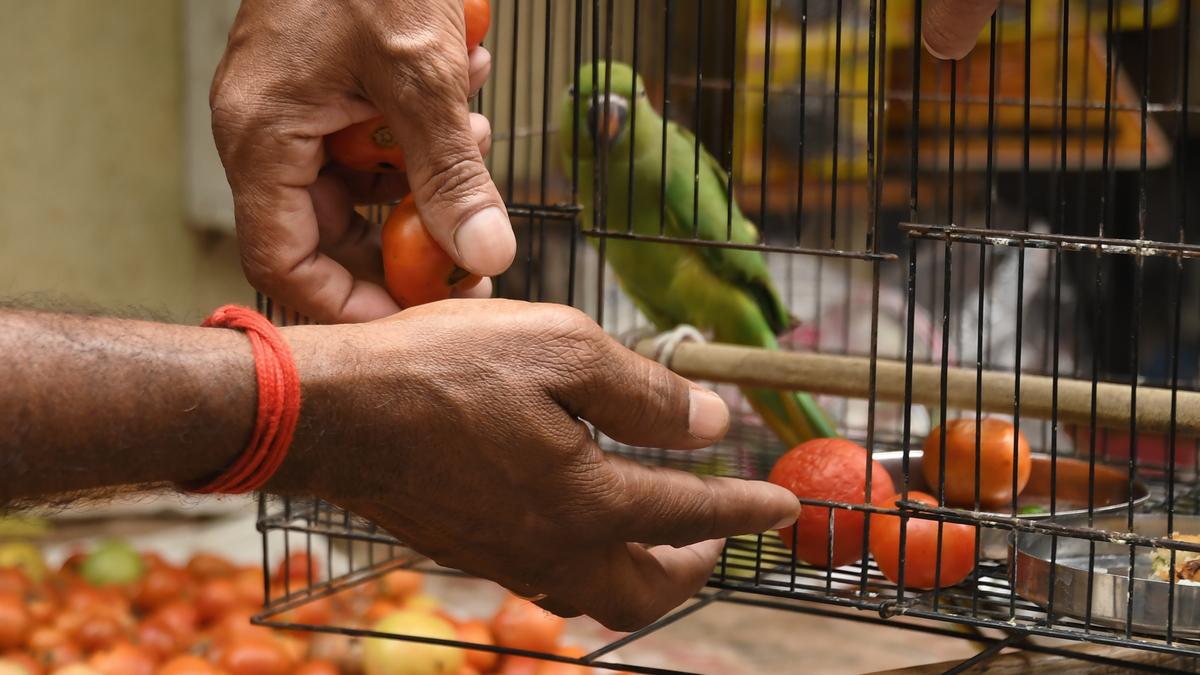
The ethics of keeping wild animals as pets was also addressed. Jayanthi Kallam emphasized that according to the Wildlife (Protection) Act of 1972, keeping wild animals as pets is illegal in India. She added that it is ethically wrong to keep wild birds in a cage, as it deprives them of their natural abilities to survive in the wild and protect themselves from predators. She advised anyone in possession of an illegally held wild animal to contact a wildlife rehabilitation center or the forest department.
The panel underscored the inherent compassion children possess towards living things and stressed the shared responsibility adults have in shaping positive interactions with nature. Activities like bird walks were highlighted as effective ways to encourage observation, understanding, and a deeper connection with the natural world.
The panel concluded there is hope, as the Avian and Reptile Rehabilitation Centre (ARRC) receives positive interactions from caring citizens.
 First Piper