
Wed Apr 29 12:21:57 UTC 2026: ### Ichthyosaur Fossil Discovery in Germany Reveals Ancient Marine Reptile’s Resilience
The Story:
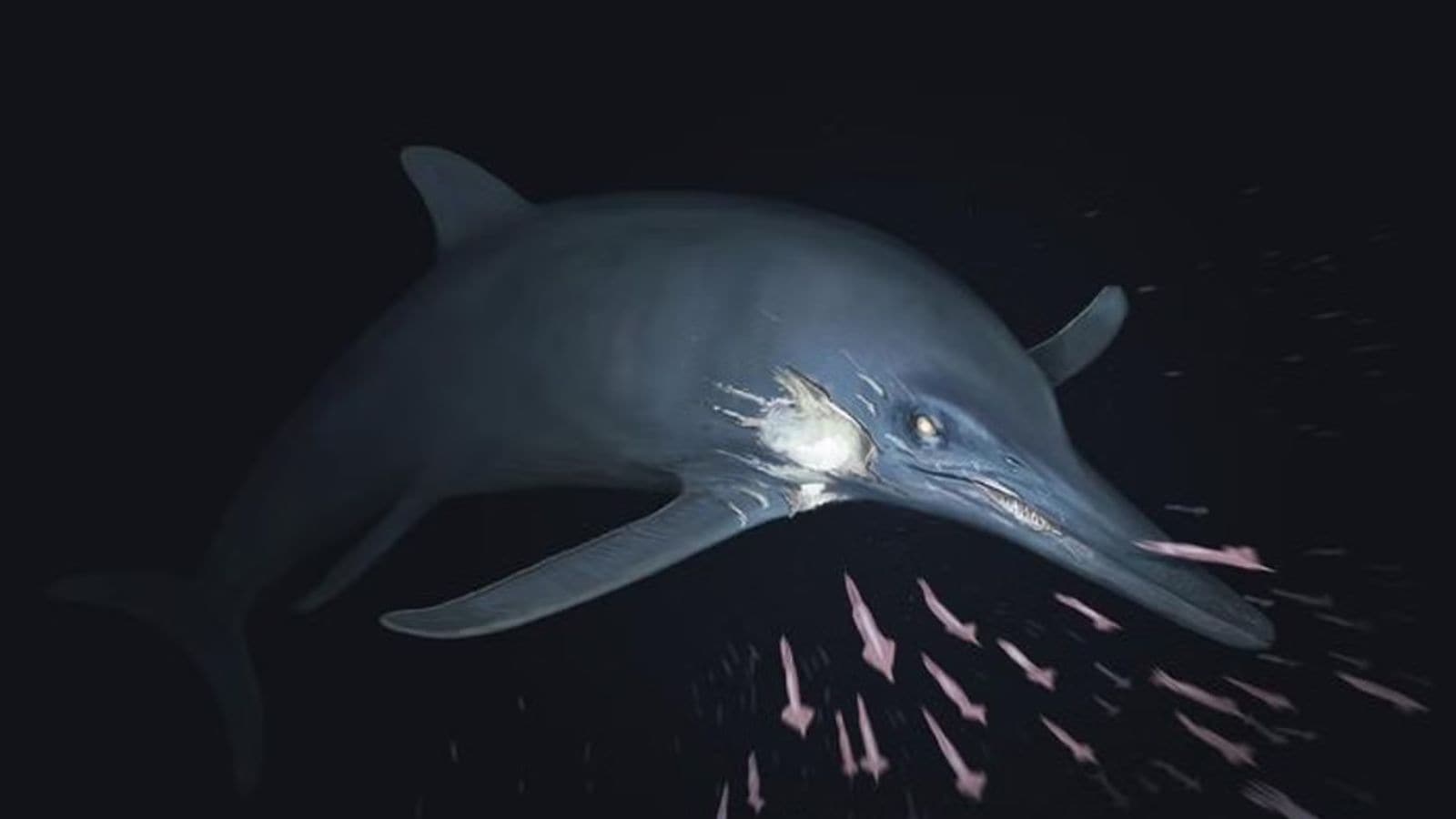
A significant fossil discovery in Germany has brought to light the existence of a giant ichthyosaur, a marine reptile resembling modern dolphins, that lived over 180 million years ago. The Temnodontosaurus specimen, found at the Mistelgau clay pit near Bayreuth, reveals the creature’s impressive size (over 20 feet long) and its ability to survive despite suffering significant injuries. The find is particularly noteworthy as it represents one of the youngest discoveries of this ichthyosaur genus, extending the known timeline of their existence in the Southwest German Basin.
Researchers uncovered various skeletal fragments, including skull and jaw pieces, shoulder girdle sections, forefins, spine sections, and over 100 teeth, providing a comprehensive picture of the animal’s anatomy. The presence of injuries, particularly around the shoulder and jaw, suggests the ichthyosaur adapted its hunting and feeding strategies, possibly relying on easier prey and using gastroliths (small stones) to aid digestion.
Key Points:
- The fossil belongs to the Temnodontosaurus genus, a large and powerful marine reptile.
- The discovery was made at the Mistelgau clay pit near Bayreuth, Germany.
- The ichthyosaur is estimated to have grown over 20 feet long.
- The fossil dates back over 180 million years.
- Injuries to the shoulder and jaw suggest the animal adapted its feeding habits.
- Gastroliths, rarely found in ichthyosaurs, were discovered in the abdominal region.
Key Takeaways:
- The find provides further insights into the ecosystem of the Jurassic Sea.
- The discovery extends the known timeline of Temnodontosaurus existence in the Southwest German Basin.
- The fossil highlights the resilience and adaptability of prehistoric animals in harsh environments.
- Analysis of the teeth and bone structures offer a glimpse into the life and interactions of these ancient creatures.
- The presence of gastroliths suggests a potential dietary adaptation to compensate for physical limitations.
 First Piper