
Wed Mar 12 16:35:58 UTC 2025: ## J&K Political Parties Condemn Ban on Two Socio-Political Organizations
**Srinagar, March 12, 2025** – Several political parties in Jammu and Kashmir (J&K) have strongly criticized the Centre’s decision to ban the Awami Action Committee (AAC) and the J&K Ittehadul Muslimeen (JKIM), two socio-political organizations founded in the 1960s. The ban has sparked widespread condemnation, with opposition parties calling for its reconsideration, while the BJP has voiced its support.
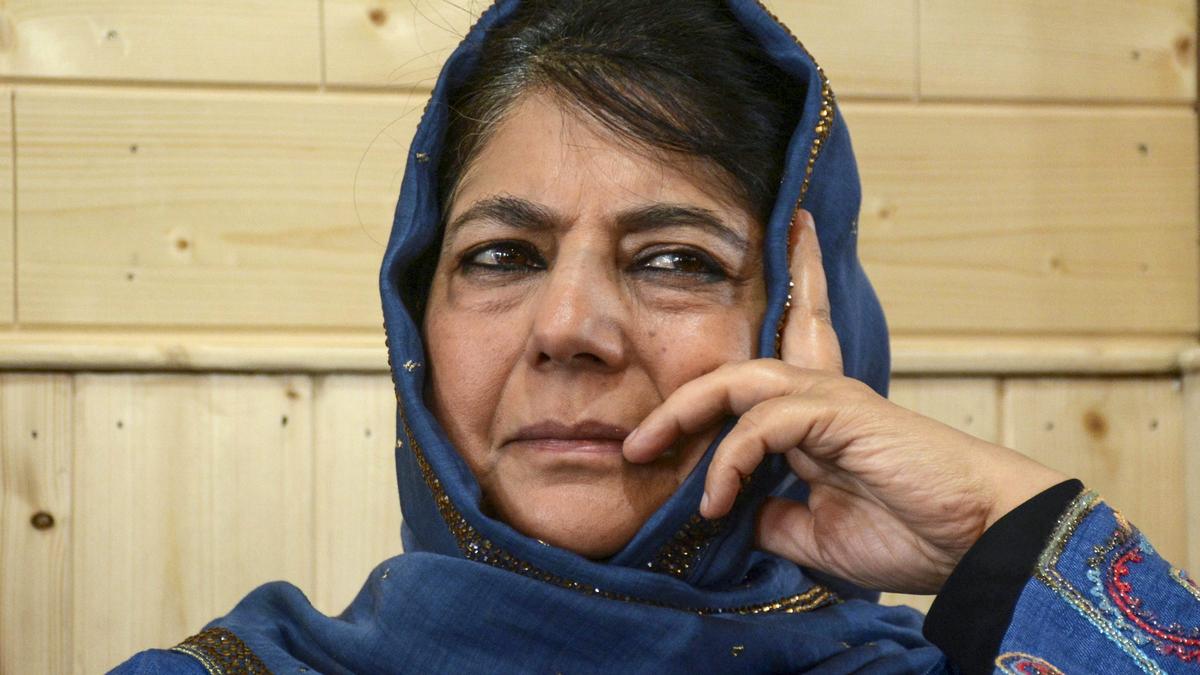
The Peoples Democratic Party (PDP), in a statement from its president Mehbooba Mufti, accused the Centre of employing “blackmail tactics” and pursuing a “muscular policy” in Kashmir. PDP legislator Waheed-ur-Rehman Para criticized the ban in the J&K Assembly, arguing it stifles political dissent. Ms. Mufti highlighted the irony of the ban given the Mirwaiz Umar Farooq, leader of the AAC and son of the assassinated party founder, receives Z-security from the government.
The National Conference (NC) and the Congress also echoed these concerns, urging the Ministry of Home Affairs (MHA) to reconsider the decision. NC legislator Tanvir Sadiq described the ban orders as “harsh,” while Congress legislator Irfan Hafeez Lone suggested it was a diversionary tactic. The J&K Peoples Democratic Front (PDF) president, Hakeem Yaseen, appealed to Prime Minister Narendra Modi and Home Minister Amit Shah to lift the ban, citing the organizations’ historical contributions.
Conversely, the BJP welcomed the ban, with legislator Sunil Sharma stating that the organizations were banned for anti-national activities. He further asserted that the PDP’s opposition stemmed from shared ideological roots with separatist groups.
Religious leaders also weighed in, with Aga Syed Hassan Mosavi, president of the J&K Anjuman-E-Sharie Shian, deeming the bans unconstitutional and undemocratic. The Mirwaiz himself described the ban as intimidation, asserting that while voices may be suppressed, they cannot be silenced.
The AAC, founded in 1964 by the Mirwaiz’s father, initially arose from a political dispute. The JKIM’s Masroor Ansari stated that the ban was unjustified, emphasizing the organization’s commitment to peaceful and democratic means. He urged the government to adopt a more positive approach to resolving the issues in the region.
 First Piper