
Thu Jan 16 23:31:00 UTC 2025: ## Gaza Ceasefire Deal Delayed Amidst Last-Minute Disputes and Israeli Internal Divisions
**TEL AVIV, Israel —** A long-awaited ceasefire agreement between Israel and Hamas, announced Wednesday, has been delayed after a last-minute dispute between the two sides, throwing the already fragile deal into jeopardy. The Israeli Cabinet vote, originally scheduled for Thursday, has been postponed until at least Friday.
The agreement, brokered by the U.S. and Qatar, aims to end a 15-month war that has ravaged Gaza and claimed the lives of over 46,000 Palestinians and 1,200 Israelis. The deal would see the release of dozens of hostages held in Gaza in exchange for a pause in fighting.
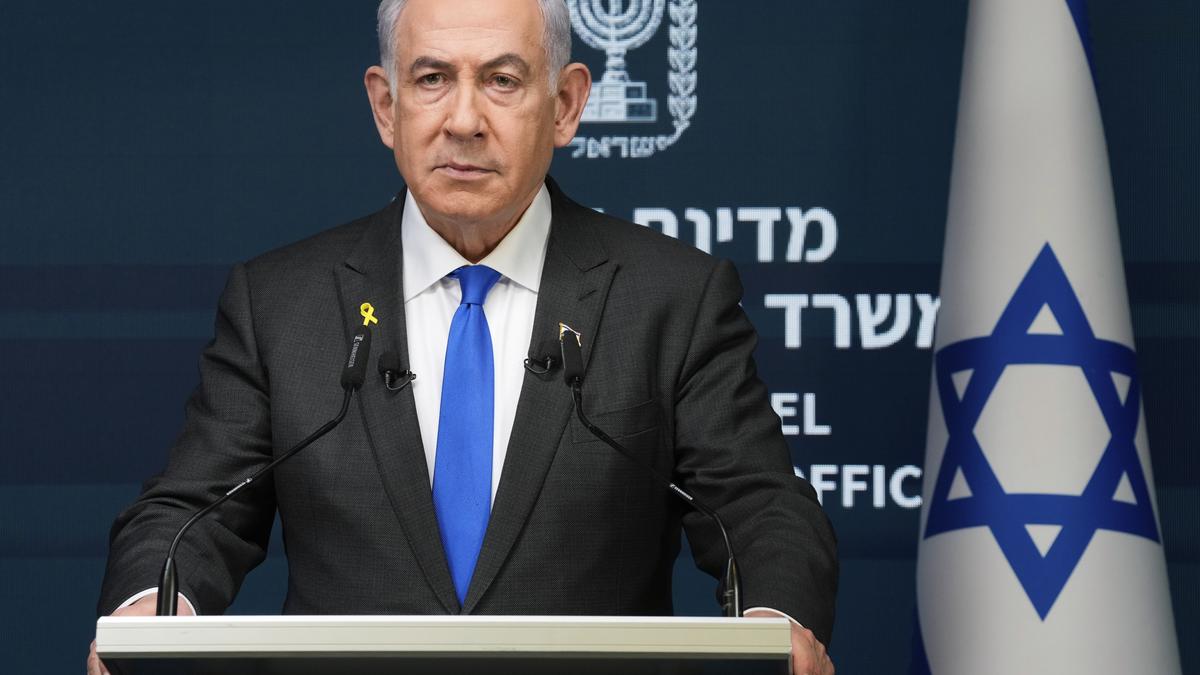
However, Israeli Prime Minister Benjamin Netanyahu blamed Hamas for reneging on parts of the agreement, accusing them of making new demands related to Israeli troop deployments in the Philadelphi corridor. Hamas vehemently denies these claims, asserting their commitment to the ceasefire.
The delay also reflects deep divisions within Netanyahu’s government. Hardline national security minister Itamar Ben-Gvir threatened to resign if the ceasefire is approved, calling it “reckless.” His departure would significantly weaken Netanyahu’s already tenuous coalition government. Finance Minister Bezalel Smotrich also opposes the deal, demanding guarantees of a renewed war after the initial phase.
Despite the political turmoil, the deal is still widely welcomed internationally. Egyptian Foreign Minister Badr Abdelatty urged both sides to implement the agreement without delay.
The ongoing conflict continues to inflict immense suffering on the Palestinian population. At least 72 Gazans were killed in Israeli airstrikes on Thursday alone, even as many celebrated the anticipated ceasefire. Hundreds of thousands remain displaced and facing dire humanitarian conditions.
While the release of some hostages is planned over the next six weeks, the fate of the remaining hostages and the long-term future of Gaza remain uncertain. The agreement’s success hinges on overcoming both the immediate political hurdles in Israel and the long-standing mistrust between the two sides. The possibility of a prolonged insurgency if the war resumes also looms large.
 First Piper