
Mon Jan 13 03:00:00 UTC 2025: ## Concerns Raised Over Aadhaar-Voter ID Linking Despite EC Assurances
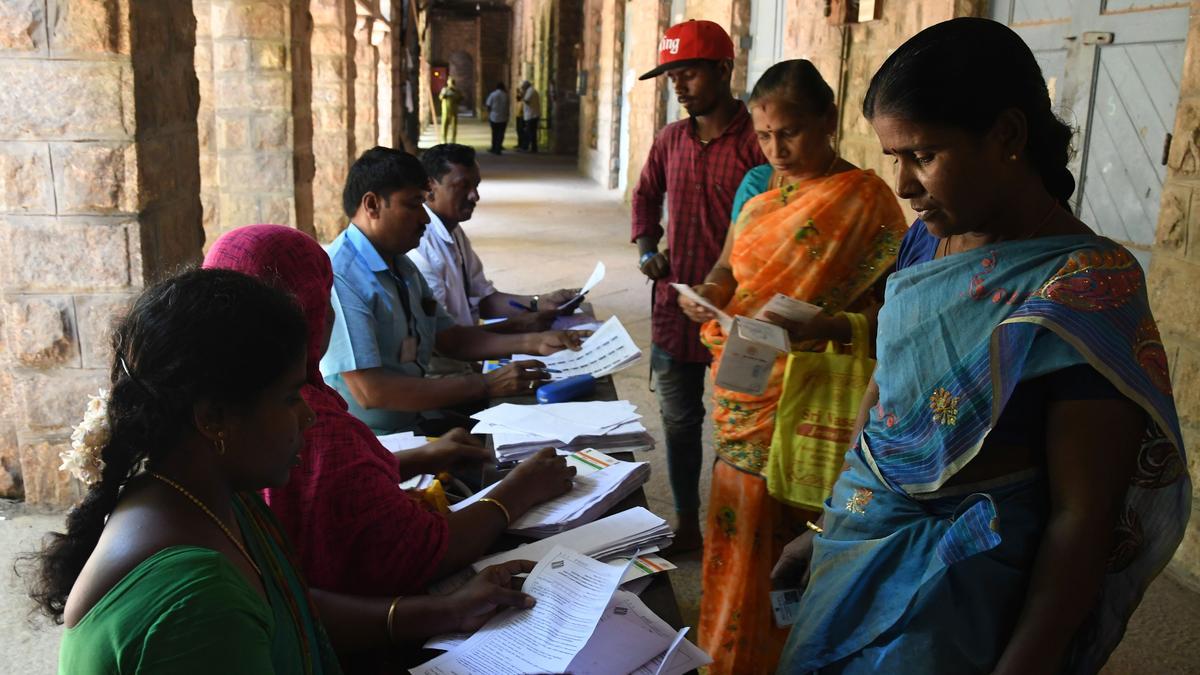
**New Delhi, January 13, 2025** – The ongoing debate surrounding the linking of Aadhaar numbers with voter IDs has resurfaced following accusations of electoral roll manipulation by the Aam Aadmi Party (AAP) and Bharatiya Janata Party (BJP) ahead of the Delhi Assembly elections. While the Election Commission of India (ECI) maintains that providing Aadhaar information is voluntary, concerns remain regarding potential errors, privacy violations, and the efficacy of the process.
The ECI initiated the National Electoral Rolls Purification and Authentication Program (NERPAP) in 2015 to eliminate duplicate entries, linking over 300 million voter IDs with Aadhaar numbers before the Supreme Court temporarily halted the process. Following amendments to the Representation of the People Act in 2021, the linking resumed, although the ECI has affirmed in September 2023 that Aadhaar submission remains optional. Despite this, forms used for voter registration (Forms 6 and 6B) haven’t been updated to reflect this clarification.
While over 650 million Aadhaar numbers have been uploaded, critics highlight potential issues. Errors within the Aadhaar database could lead to wrongful voter exclusions, and Aadhaar, being proof of residence not citizenship, cannot fully address non-citizen voters on the rolls. Furthermore, the widespread circulation of electoral rolls amongst political parties raises concerns about potential misuse of Aadhaar data, even if the linkage itself isn’t a direct privacy violation.
Former IAS officer and author Rangarajan R emphasizes that the right to vote is a fundamental constitutional right and any electoral process must maintain public trust. He advocates for increased public awareness of the benefits of linking Aadhaar and voter IDs to clean up the electoral rolls, while simultaneously urging prompt modification of registration forms to clearly reflect the voluntary nature of Aadhaar submission. The article concludes by stressing the need to address voter anxieties about potential compromises to voting secrecy.
 First Piper