
Thu Dec 05 17:34:14 UTC 2024: ## Nepal and China Ink Belt and Road Initiative Deal, Emphasizing “Aid Assistance Financing”
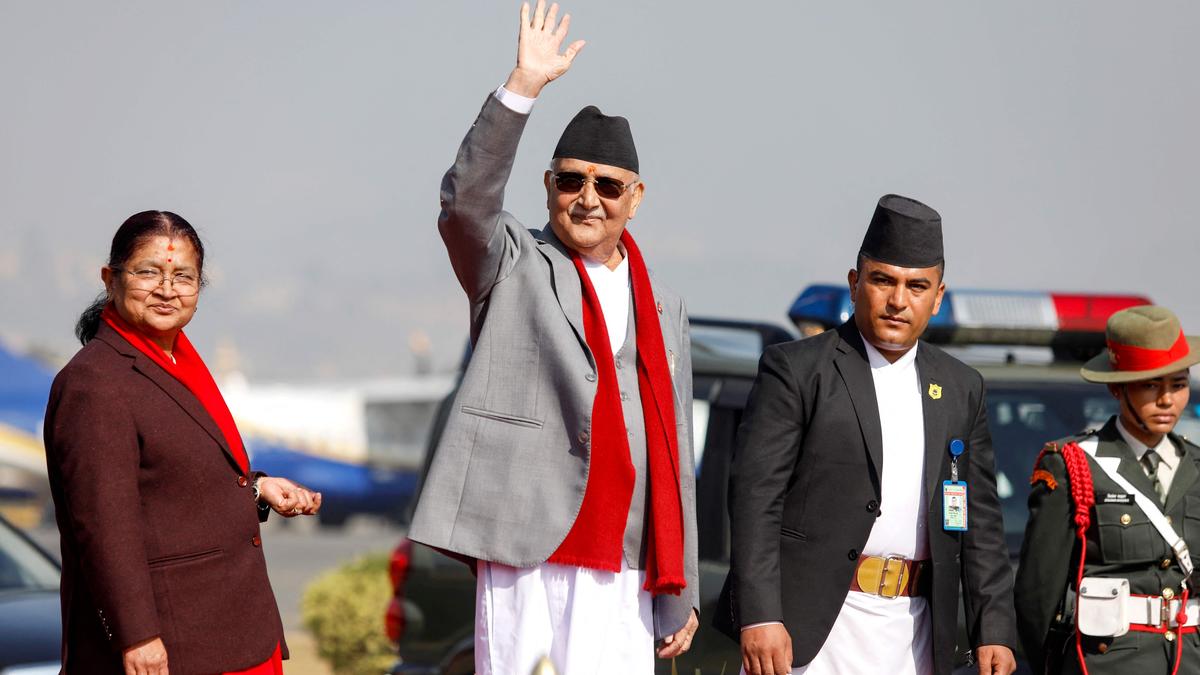
KATHMANDU, Nepal (December 5, 2024) – Nepal and China have finalized a framework agreement for cooperation under the Belt and Road Initiative (BRI), marking a significant step forward in bilateral relations. The deal, signed in Beijing during Nepali Prime Minister K.P. Sharma Oli’s visit, replaces earlier proposals focused solely on grants with a new model of “aid assistance financing.”
The agreement follows months of negotiations and internal debate within Nepal’s ruling coalition. Initial concerns, primarily from the Nepali Congress party, regarding potential debt burdens associated with loans were addressed by revising the proposal to emphasize grant financing. While China initially pushed for “assistance financing,” the final agreement settled on “aid assistance financing,” a compromise allowing for a mix of grants and potentially concessional loans.
Ten projects across trade, infrastructure, connectivity, technology, and cultural exchange are slated for development under this framework. Former Nepali Foreign Minister Pradeep Gyawali hailed the agreement as a positive development, emphasizing that it represents a unified stance from Nepal’s major political parties on foreign policy for the first time, removing previous divisions over how to engage with the BRI.
Political scientist Chandra Dev Bhatta noted that while the agreement represents progress, the specifics of “aid assistance financing” remain unclear. He suggested it could encompass both grants and loans, potentially including concessional loans similar to those provided by multilateral agencies. Bhatta highlighted that the deal allows for project-by-project cooperation, with financing mechanisms determined on a case-by-case basis.
While China typically prioritizes investment rather than grants under the BRI, the revised agreement, according to Bhatta, is a notable success for Beijing, particularly given Nepal’s recent ratification of a large American grant. The successful conclusion of the negotiations is seen as a boost for Prime Minister Oli’s coalition government and his political standing. He has stated that no loan agreements were signed and that individual project agreements will be made separately. His next planned trip is to India.
The agreement’s geopolitical implications are expected to be minimal, with analysts suggesting it’s largely a continuation of the 2017 BRI framework. Despite the deal, Nepal’s economic relationship with India remains significantly stronger, as India continues to account for a much larger share of Nepal’s trade.
 First Piper