
Fri Sep 20 06:26:14 UTC 2024: ## Europe and China Reach Satellite Navigation Milestones
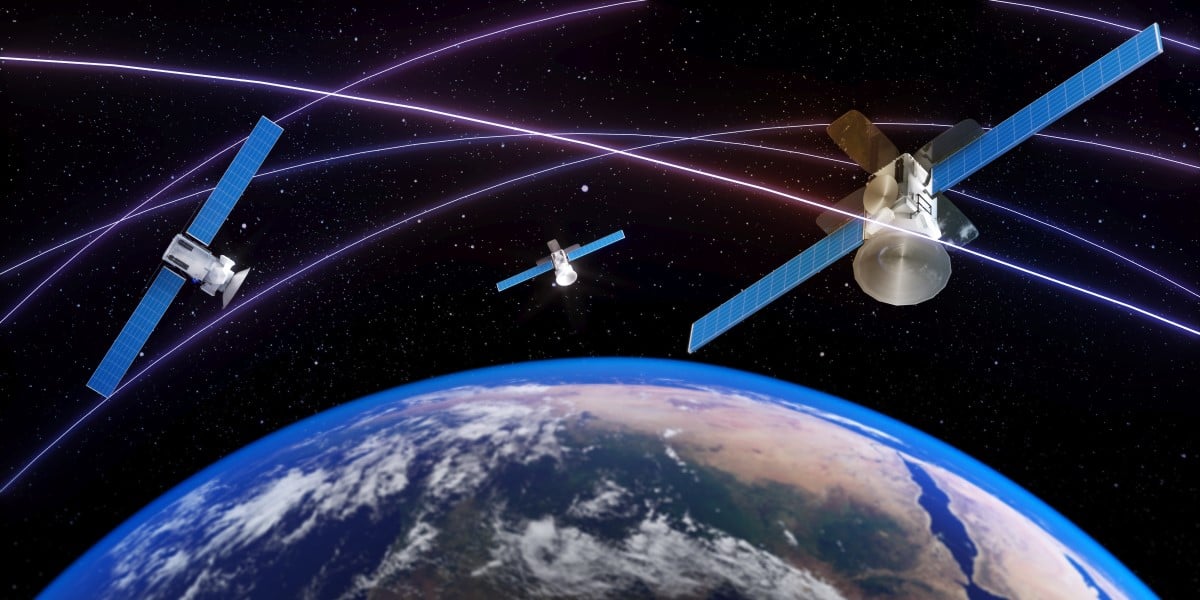
**Cape Canaveral, FL & Xichang, China – September 19, 2024** – Two major players in the global satellite navigation arena, Europe and China, have reached significant milestones this week with the successful launch of new satellites for their respective constellations.
**China’s Beidou Constellation Expands**
China’s Satellite Navigation Office launched its 63rd and 64th satellites, marking the completion of its third-generation Beidou constellation. These satellites are considered spares, ensuring continuity in case of malfunctions, and incorporate new technologies anticipated for the upcoming fourth-generation system.
Beidou’s chief planner, Yang Changfeng, has revealed ambitious plans for the next generation, emphasizing a focus on omnipresence, enhanced intelligence, and greater integration. This upgrade, expected to be completed by 2035, will see Beidou services extend beyond land and sea, encompassing the sky, outer space, and even deep within the oceans. This expansion coincides with China’s stated ambitions to explore the Moon and exploit deep-sea resources, suggesting a potential role for Beidou 4.0 in facilitating these endeavors.
**Galileo Constellation Reaches Full Operational Capacity**
The European Space Agency (ESA) launched its 31st and 32nd satellites for the Galileo constellation, marking the completion of its initial design. This launch brings the total number of operational satellites, including spares, to the required number for full functionality. ESA Director of Navigation Javier Benedicto stated that the constellation is now “complete as designed.”
Looking ahead, Europe plans to launch six more Galileo satellites in 2025 using the new Ariane 6 launcher. These second-generation satellites will boast advanced features like electric propulsion, improved navigation antennas, and fully digital payloads, offering greater adaptability and flexibility to meet evolving user needs.
 First Piper