
Sat Dec 13 20:45:00 UTC 2025: Summary:
Australia has become the first country to implement a social media ban for users under 16, affecting platforms like X, Facebook, TikTok, and others. This follows a year-long debate and the introduction of the Online Safety Amendment (Social Media Minimum Age) Bill 2024. The government’s rationale is to protect children’s mental health by curbing cyberbullying, harmful content, and online predators. Meta has notified affected users to download their data and delete accounts, while acknowledging concerns about the ban’s effectiveness and potential isolation of teenagers. Challenges exist around age verification accuracy, with discussions underway on solutions like government IDs, facial recognition, and app store integration. Other gaming platforms are also introducing age restrictions. The move comes amidst lawsuits and revelations of internal discussions within social media companies acknowledging the harmful effects of their platforms on young users.
News Article:
Australia Implements World’s First Social Media Ban for Under-16s
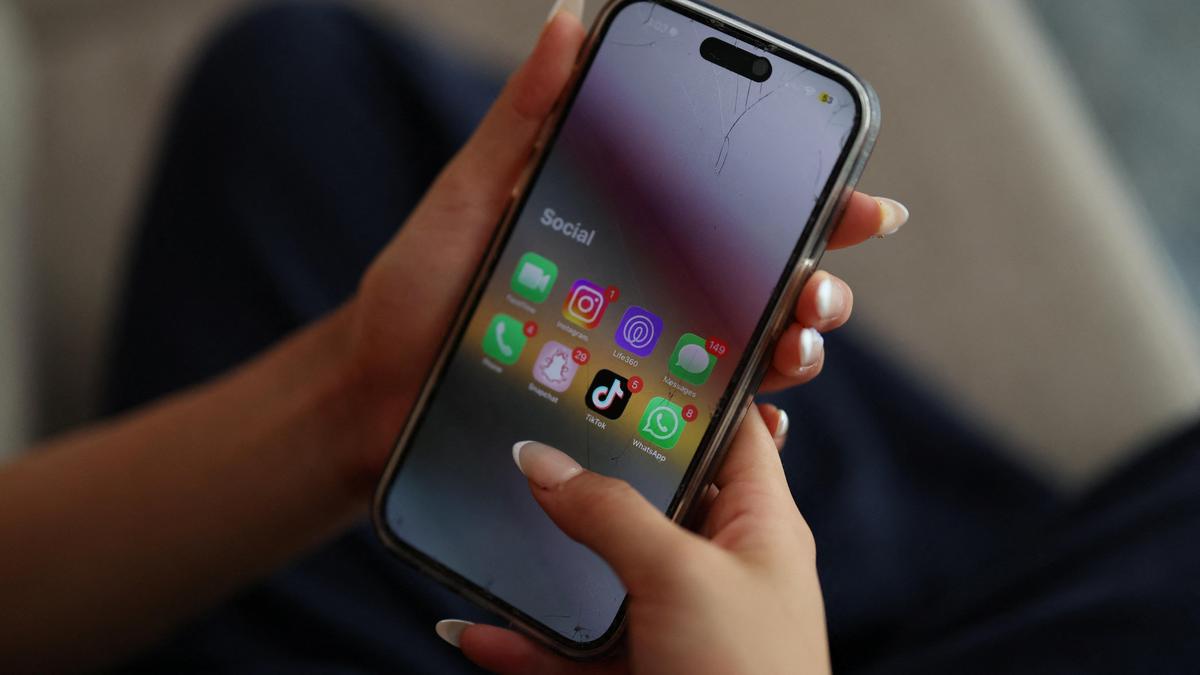
Sydney, December 14, 2025 – In a groundbreaking move, Australia has become the first nation to enforce a comprehensive social media ban for users under the age of 16, effective December 10th. The ban targets major platforms including X, Facebook, TikTok, Snapchat, YouTube, Reddit, Twitch and Kick, requiring them to take “reasonable steps” to keep underage users off their platforms or face fines up to $33 million (A$49.5 million).
The initiative, spearheaded by Prime Minister Anthony Albanese’s government, follows the passage of the Online Safety Amendment (Social Media Minimum Age) Bill 2024, citing concerns about the mental health and well-being of children exposed to cyberbullying, harmful content, and online predators.
Meta, the parent company of Facebook and Instagram, has begun notifying Australian teenagers aged 13-15 to download their data and delete their accounts. The Australian Communications and Media Authority estimates there are approximately 150,000 Facebook users and 350,000 Instagram users within this age group.
While Meta acknowledges its commitment to complying with the law, the company has raised concerns that a “blanket ban” is not the ideal solution, arguing it could isolate teenagers and provide inconsistent protection. Albanese, however, has acknowledged potential flaws in the law’s implementation given its unprecedented nature.
A significant challenge lies in accurate age verification. Government reports indicate that facial recognition systems have unacceptable false rejection rates for 16 and 17-year-olds. Meta is exploring solutions like government IDs, facial or voice recognition, and even inferential methods based on online user data to estimate age.
This landmark legislation has sparked global interest, with several countries signaling their intent to study Australia’s policy as a potential model. The move comes amidst growing scrutiny of social media platforms’ impact on youth mental health, fueled by lawsuits and leaked internal communications revealing awareness within companies like Meta and TikTok about the addictive and potentially harmful nature of their platforms.
The ban represents a bold attempt to address the evolving challenges of online safety for children and raises significant questions about the balance between protection, freedom of expression, and the role of technology in young people’s lives.
 First Piper