
Mon Nov 24 13:07:36 UTC 2025: Summary:
Tomato prices are skyrocketing across Rayalaseema districts in India, with the Madanapalle wholesale market (Asia’s largest) reaching ₹63/kg. This is due to weather-related crop damage (continuous rains, fog) that reduced yields, triggered fungal infections, and disrupted supplies. Reduced exports further inflated prices in Chennai and Bengaluru. Consumers report poor quality tomatoes. Traders attribute the surge to weather, disrupted supply chains, and seasonal demand. Prices are expected to exceed ₹100/kg by month-end.
News Article:
Tomato Prices Skyrocket in India as Weather Devastates Crops
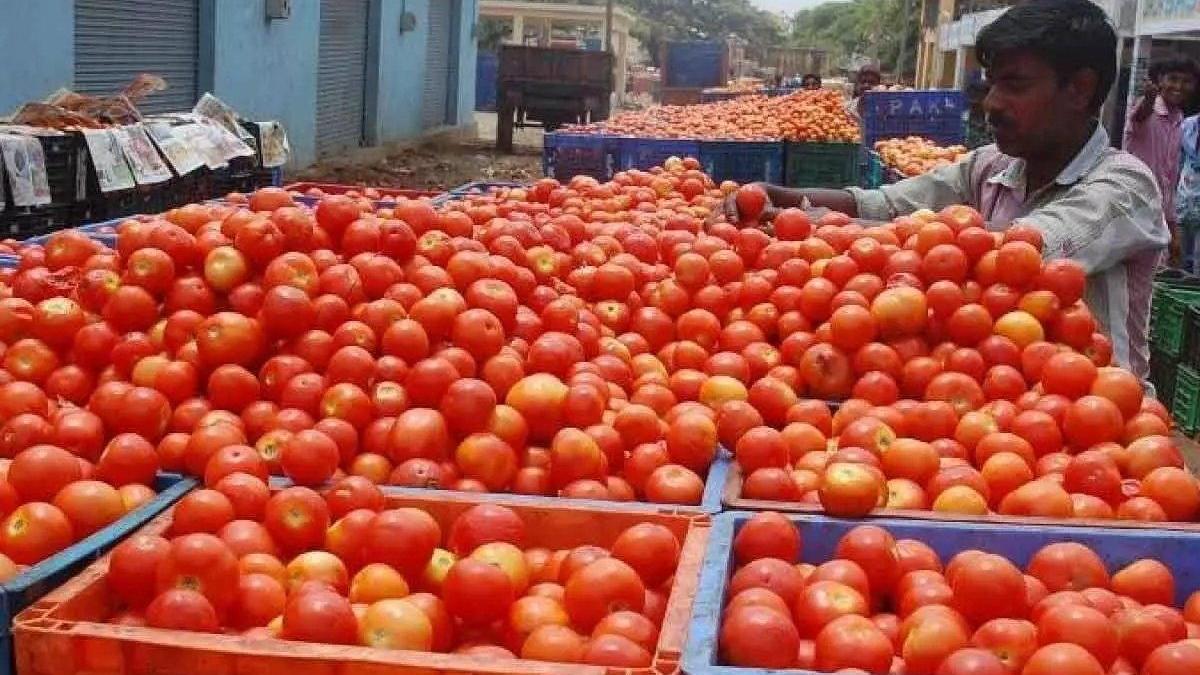
Madanapalle, India – Consumers across the Rayalaseema region of India are facing sticker shock as tomato prices have surged to unprecedented levels due to devastating weather conditions. The Madanapalle wholesale market in Annamayya district, a major hub in Asia, is currently quoting ₹63 per kilogram, a significant jump from ₹10 just last week.
The price surge is attributed to continuous rains and early November fog that significantly impacted tomato yields. “The adverse weather has damaged crops, reduced flowering, and triggered fungal infections,” stated a horticulture official. Daily arrivals at the Madanapalle market are down drastically, standing at 140 metric tonnes compared to eight to nine times that volume during the same period last year.
The limited supply has led to retail prices reaching ₹80 per kilogram in cities like Tirupati, Chittoor, and beyond. The crisis has also affected neighboring states, with limited exports pushing prices above ₹100 in Chennai and Bengaluru. Consumers have also reported a decline in quality, with many tomatoes exhibiting black spots and poor shelf life.
Beyond the weather, traders cite disrupted supply chains and increased seasonal demand, driven by Margasira month, Ayyappa deeksha, Vaikunta Ekadasi, and the approaching Sankranti season, as contributing factors to the price hike.
A horticulture officer warned that tomato prices are likely to exceed ₹100 per kilogram by the end of the month, adding to the financial burden on households already struggling with rising living costs. The situation highlights the vulnerability of agricultural systems to extreme weather events and the importance of resilient farming practices.
 First Piper