
Fri Apr 04 17:41:49 UTC 2025: ## DNA Barcoding Improves Identification of River Blindness-Carrying Blackflies in Himalayas
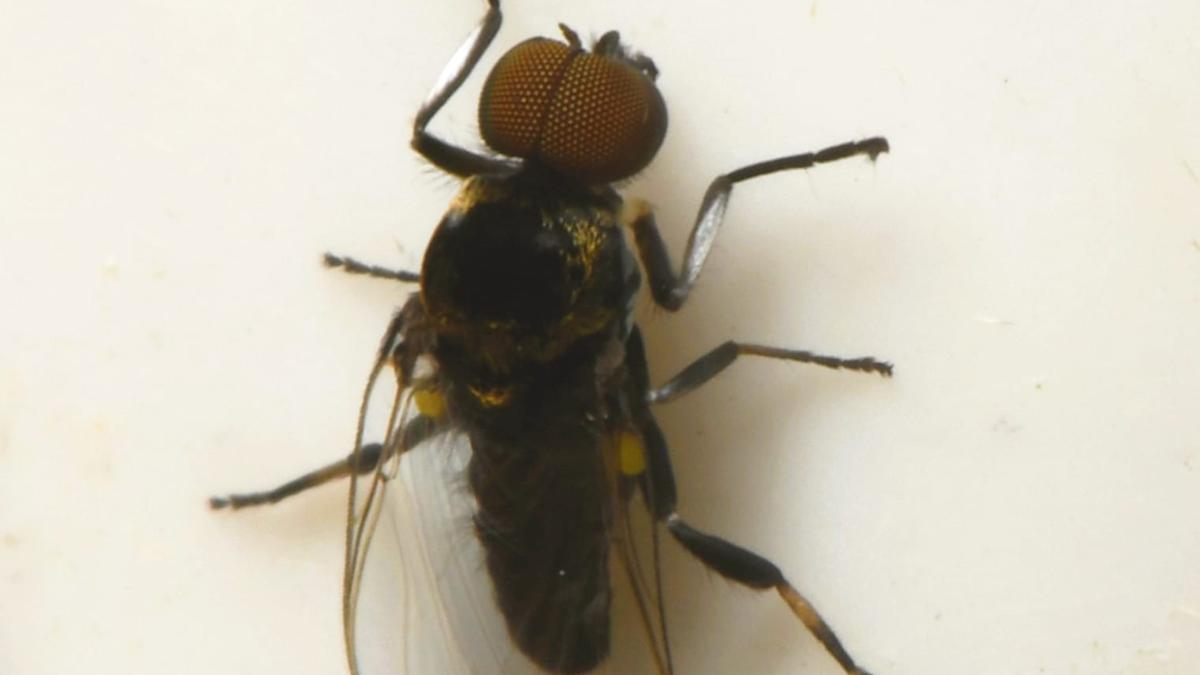
**GUWAHATI, INDIA (April 5, 2025)** – A new study published in *Vector-Borne and Zoonotic Diseases* reveals the successful use of DNA barcoding to accurately identify blackflies, vectors of the parasitic worm causing river blindness (onchocerciasis). The research, conducted by a team from the Zoological Survey of India (ZSI), focused on Simuliidae species collected in the central Himalayan region of West Bengal.
River blindness, caused by the *Onchocerca volvulus* worm, is a significant neglected tropical disease, second only to trachoma as a cause of infection-related blindness globally. The disease is spread through the bites of infected blackflies breeding in fast-flowing rivers.
The ZSI team’s innovative approach uses DNA barcoding to differentiate between visually similar blackfly species, a crucial step in effective disease control. Traditional methods often prove insufficient due to the small size and similar appearances of these insects. The study analyzed four species: *Simulium dentatum*, *Simulium digitatum*, *Simulium praelargum*, and *Simulium senile*, demonstrating the efficacy of DNA barcoding for accurate identification.
According to Dr. Dhriti Banerjee, director of ZSI, the accurate identification of blackflies is critical for effective control strategies. The improved identification method will enable more targeted interventions to reduce the spread of river blindness, particularly in areas like Kalimpong and Darjeeling, frequented by both locals and tourists. The research highlights the importance of advanced techniques in managing this significant public health challenge.
 First Piper