
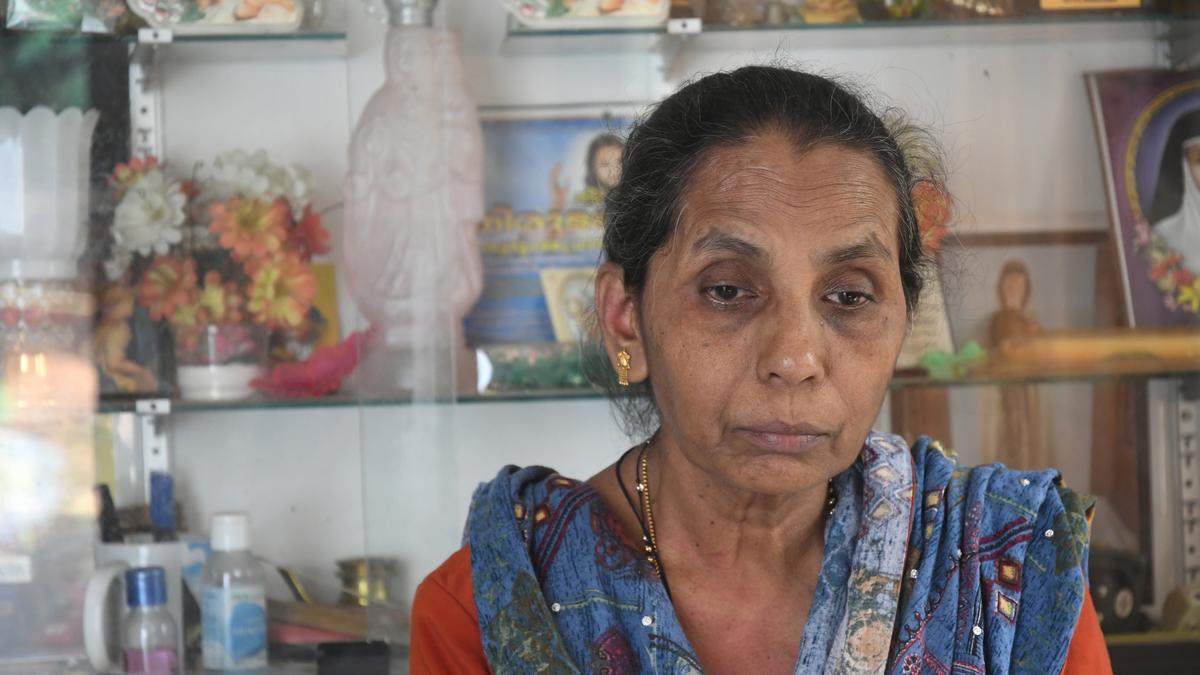
Thu Jan 16 03:00:00 UTC 2025: ## Blood Money in the Spotlight: Nimisha Priya’s Case Highlights Global Practices
**Mumbai, January 16, 2025** – The death sentence of Indian nurse Nimisha Priya in Yemen for the alleged murder of a Yemeni national has reignited the debate surrounding “blood money,” or “diya,” a practice prevalent in several Islamic countries. This form of compensation, rooted in Sharia law, involves the payment of money by the perpetrator to the victim’s family to mitigate the loss and avoid retribution. While not formally recognized in India, the concept bears striking similarities to plea bargaining and historical practices in other cultures.
The article explores the intricacies of “blood money,” noting its application in diverse contexts. In Saudi Arabia, it’s mandated for traffic fatalities, with Sharia courts setting the amount. Iran, despite legal efforts towards equalization, continues to differentiate compensation based on gender and religion. Pakistan also incorporates “diya” into its legal framework. The article contrasts “blood money’s” broader scope with India’s more limited plea bargaining system, highlighting differences in applicability and limitations.
The piece further details several cases involving Indian nationals in the Middle East where “blood money” led to commutation of death sentences or pardons, including instances in Kuwait, Saudi Arabia, and the UAE, showcasing the significant sums involved. These cases, along with Nimisha Priya’s, underscore the complexities of navigating foreign legal systems and the role of financial compensation in resolving cases involving capital punishment. The article concludes by highlighting the ongoing efforts to reform “blood money” laws in several Islamic countries to ensure more equitable compensation, mirroring similar discussions surrounding India’s plea bargaining system. Nimisha Priya’s case, currently under review by Iran, awaits a resolution.
 First Piper