
Thu Jan 16 11:19:31 UTC 2025: ## From Himalayan Goats to Haute Couture: The Enduring Allure of Pashmina
**SRINAGAR, INDIA** – Pashmina, the luxurious cashmere wool famed for its softness and warmth, boasts a history as rich and layered as its intricate weaves. A new initiative, “The Pashmina Trail,” is shedding light on this prized fabric’s journey from the high-altitude pastures of Ladakh to the world’s most prestigious runways.
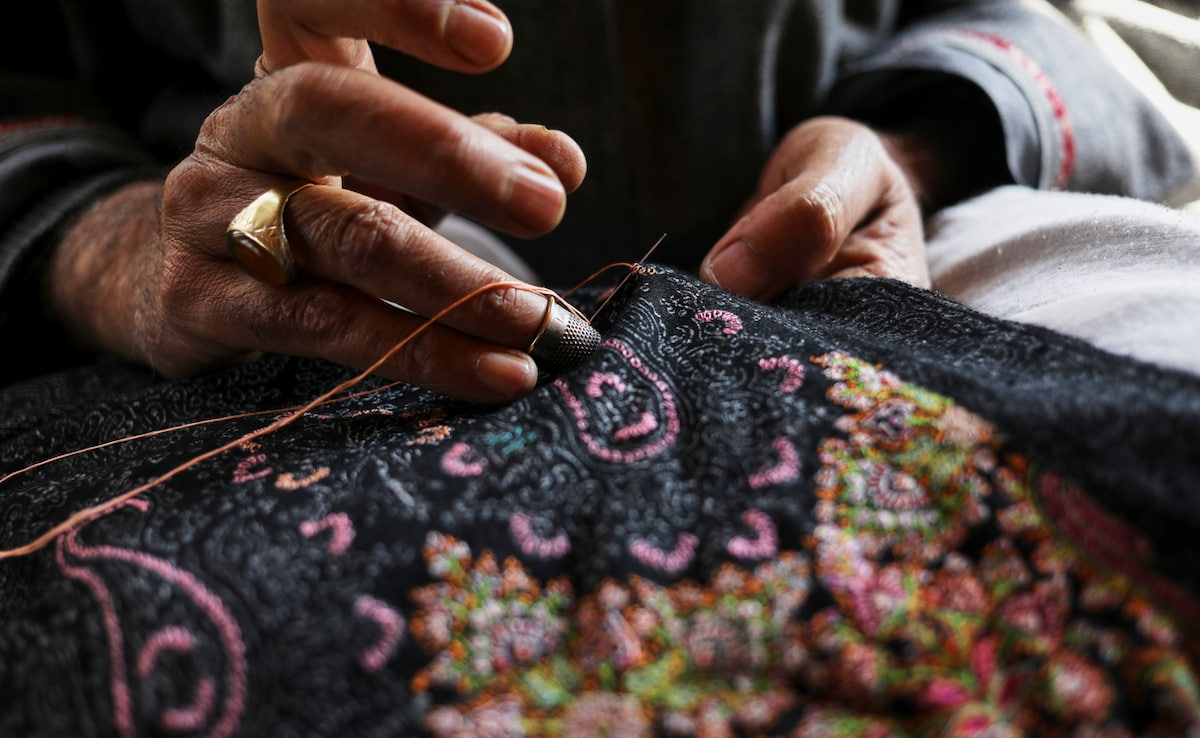
The story begins with the Changpa nomads of Ladakh, who tend to the Changra goats, the source of the coveted pashm fiber. The Changpas’ meticulous harvesting of the undercoat wool, a process unchanged for centuries, marks the first step in creating this “soft gold.” This raw material then makes its way to Kashmiri artisans, who expertly spin, dye, and hand-weave the pashm into exquisite shawls and other garments, a process that can take up to two weeks for a single piece. Traditional dyes derived from natural sources like indigo and saffron lend unique hues to the finished product.
Pashmina’s history is intertwined with royalty and global trade. From its patronage by Mughal emperors to its adoption by European aristocracy, the fabric’s allure has transcended time and borders. The French Empress Josephine is said to have owned hundreds of pashmina shawls, solidifying its status as a symbol of luxury.
While traditionally associated with shawls, pashmina’s versatility is now showcased by contemporary designers. From kurtas and dupattas to sarees and even modern gowns, innovative creators are breathing new life into this classic textile. Designers like Zubair Kirmani, Anjul Bhandari (Pashmina-E-Awadh collection), Amit Aggarwal, and Sabyasachi have all incorporated pashmina into their high-fashion collections, showcasing its adaptability and timeless elegance.
The Pashmina Trail experience offers a unique opportunity to trace the fabric’s origin, immersing visitors in the Changpa culture and the artisan techniques that bring pashmina to life. This initiative not only highlights the luxury of the fabric but also aims to support the local communities whose livelihoods depend on its production. As pashmina continues to grace runways and wardrobes worldwide, understanding its rich heritage and the people who create it adds another layer of appreciation for this truly remarkable textile.
 First Piper