
Thu Jan 02 13:22:42 UTC 2025: ## IIT Bombay Researchers Discover Bacteria That Cleanse Soil and Boost Crop Yields
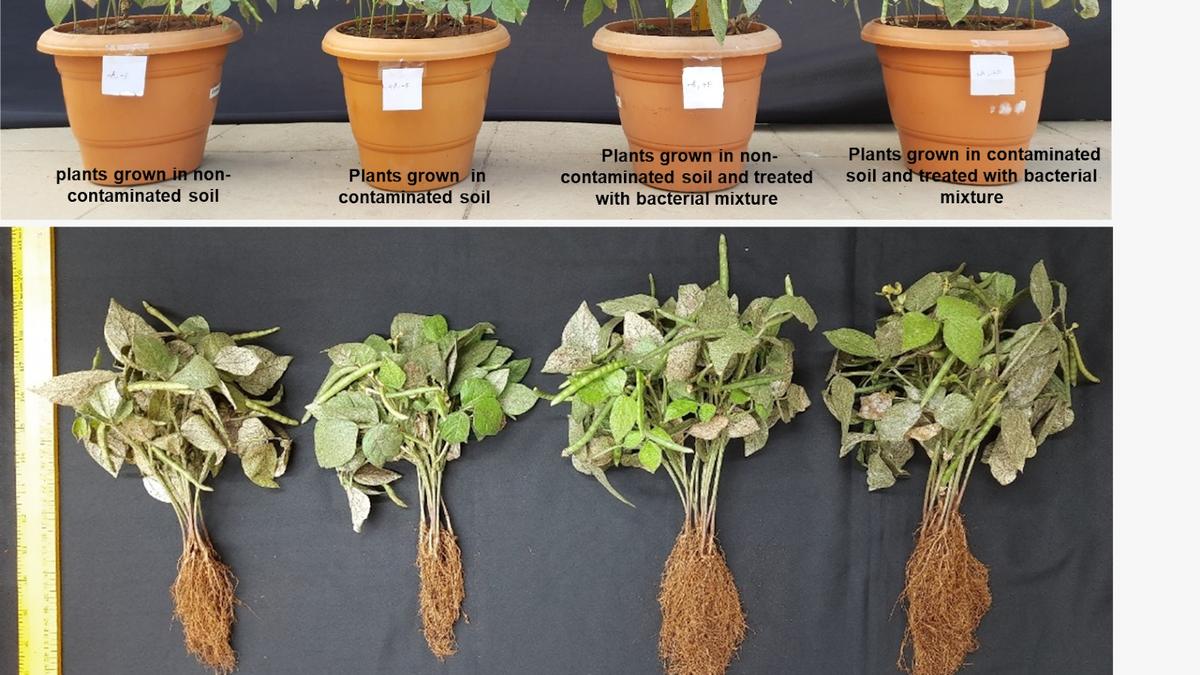
**Mumbai, January 2, 2025** – A team of researchers from the Indian Institute of Technology Bombay (IIT Bombay) has made a significant breakthrough in sustainable agriculture. Their research, published in *Environmental Technology and Innovation*, details the discovery of beneficial bacteria that can simultaneously remediate soil contaminated with organic pollutants and significantly increase crop yields.
The researchers identified specific bacterial species from the genera *Pseudomonas* and *Acinetobacter*, isolated from contaminated soil and agricultural fields. These bacteria break down harmful aromatic compounds into harmless substances, effectively cleaning the soil. Furthermore, they convert insoluble nutrients like phosphorus and potassium into soluble forms, making them readily available to plants. The bacteria also produce growth hormones, further enhancing plant health and boosting yields by 45-50% in various crops, including wheat, mung beans, spinach, and fenugreek.
Professor Prashant Phale, who oversaw the research, highlighted the synergistic effect of using a mixture of these bacterial species. “By combining strains with different strengths – some excellent at pollutant breakdown, others at growth promotion – we created a highly efficient team,” he explained.
The study also addresses the issue of fungal diseases, a major cause of crop loss globally. The IIT Bombay team found that these bacteria produce substances that inhibit the growth of plant pathogenic fungi, offering a natural and eco-friendly alternative to chemical pesticides.
While the potential applications are vast, the researchers acknowledge that scaling up the technology for widespread adoption will require further development and testing. Future research will focus on creating user-friendly bio-formulations and evaluating the bacteria’s effectiveness under drought and other stressful conditions. This discovery offers a promising path towards sustainable and environmentally friendly agriculture, potentially mitigating both soil contamination and crop losses.
 First Piper