
Mon Dec 09 07:20:19 UTC 2024: ## Syrian Regime Falls: Turkey Celebrates, but Cautions Remain
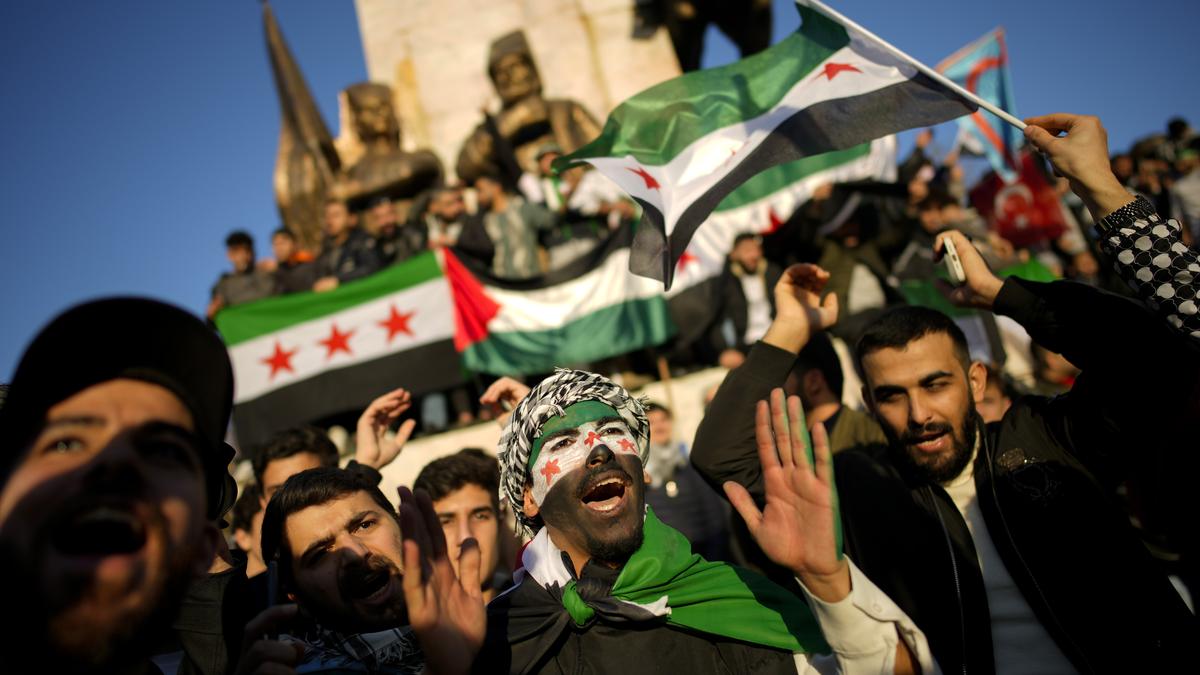
**Istanbul, Turkey –** Celebrations erupted across Turkey on Sunday following the collapse of Bashar al-Assad’s Syrian government. Thousands of Syrian refugees, many of whom have resided in Turkey for over a decade, expressed hopes of returning home. Large crowds gathered in border cities like Kilis and Hatay, waving Syrian and Turkish flags, signifying a potential end to the long-running Syrian civil war.
While Turkish officials vehemently deny any involvement in the offensive that led to Assad’s downfall, analysts widely believe Turkey’s tacit approval was crucial for the success of the Syrian opposition forces. The ten-day offensive, spearheaded by the Hayat Tahrir al-Sham (HTS) group – designated a terrorist organization by Ankara but with whom Turkey has collaborated in northern Syria – appears to align with Turkey’s long-standing strategic goals in the region. These goals include pushing back against Kurdish forces allied with the Kurdistan Workers’ Party (PKK), a group Turkey considers a terrorist organization.
Turkey has publicly maintained its commitment to Syria’s territorial integrity and the safe return of refugees. However, the fall of Assad presents both opportunities and risks for Turkey. The potential for renewed instability and a further influx of refugees remains a significant concern. Experts highlight the risk of territorial disintegration and the rise of various power structures, including the Kurdish YPG militia, as major threats to stability.
Despite Turkey’s denials, analysts point to the unlikely success of the rebel offensive without Ankara’s implicit support. The timing of the offensive, following a Syrian government attack on opposition-held areas, and its rapid expansion after initial Syrian government retreats, fuel speculation of Turkish involvement.
While Turkey’s Foreign Minister Hakan Fidan emphasized the importance of Syria’s national unity and territorial integrity, the long-term implications remain uncertain. The relationship between Turkey and Russia and Iran, Assad’s key backers, may also be affected. However, analysts suggest that Russia’s lack of direct accusation against Turkey reflects a desire to avoid escalating tensions with Turkey amidst the ongoing war in Ukraine.
The future of Syria will likely involve negotiations with significant influence from Turkey, the United States, and Middle Eastern nations involved in Syria’s reconstruction. The role of HTS, a group with shifting alliances and its own agenda, remains a significant wildcard in the aftermath of Assad’s fall. The situation underlines the complex geopolitical dynamics of the region and the potential for both progress and unforeseen challenges in the coming months.
 First Piper