
Mon Dec 09 16:44:39 UTC 2024: ## Hope Fades as Families Search for Loved Ones in Liberated Syrian Prison
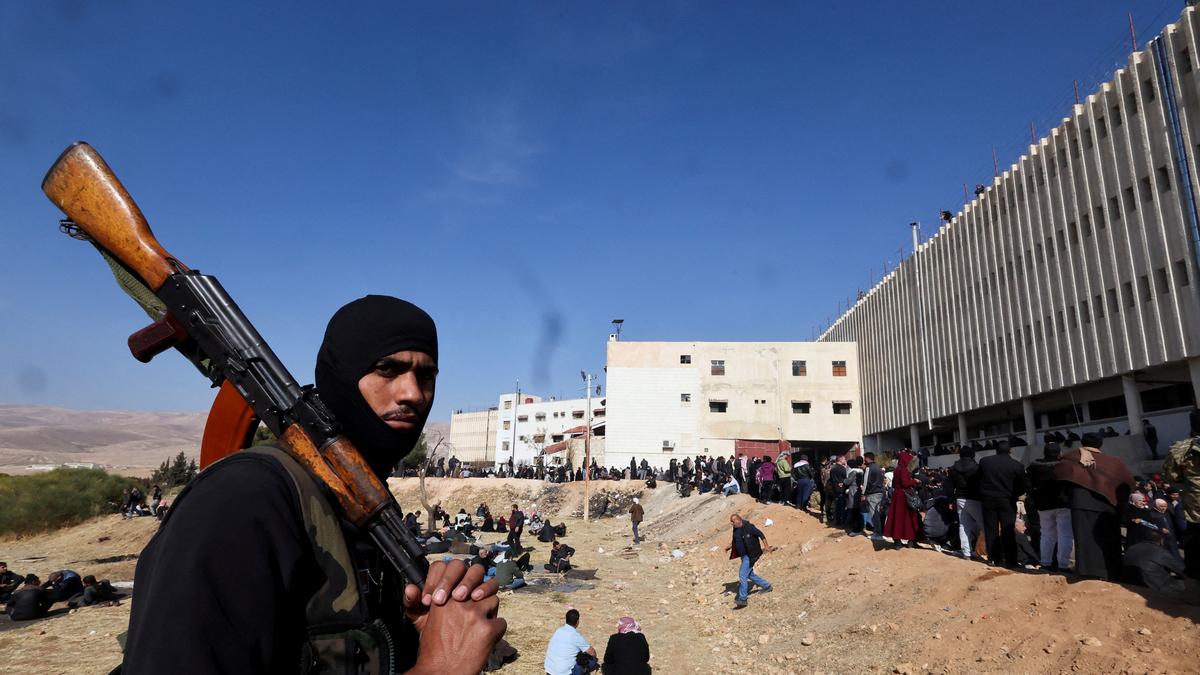
**Sednaya, Syria –** The desperate search for missing relatives in the notorious Sednaya prison near Damascus yielded limited results on Monday, December 9, 2024, a day after rebel forces opened its gates following the fall of President Bashar al-Assad’s regime. While thousands of prisoners were released, many families remain frantically searching the labyrinthine complex, its dark corridors and hidden cells offering little hope.
The release followed the toppling of Assad’s regime on Sunday, December 8th, leading to some tearful reunions with relatives presumed executed years ago. However, countless others continue their desperate search. Ahmed Najjar, who traveled from Aleppo, exemplifies this ongoing struggle, seeking his brother’s two children, imprisoned since 2012. Rumors persist of thousands more prisoners held in inaccessible underground cells.
Rescue workers, including members of the White Helmets, are assisting in the search, utilizing maps from defected Syrian army officers to locate hidden sections of the prison. While they discovered some previously unknown areas, the discovery of additional prisoners remains elusive. Intsar al-Jaber, whose brother and cousin were imprisoned since 2014, embodies the lingering uncertainty and enduring hope of many.
The grim conditions inside the prison—filthy cells, solitary confinement, and evidence of widespread torture—are highlighted in reports and videos. The haphazard nature of the prison’s opening, characterized by simply “flinging open the doors,” has complicated the search, according to Fadel Abdul Ghany of the Syrian Network for Human Rights. He notes that the chaotic release has mingled genuine criminals with political prisoners.
The scale of human rights abuses within Sednaya, including documented mass executions and torture, has fueled outrage. Outside the prison gates, long queues of cars and individuals on foot converge, adding to the emotional intensity of the ongoing search. Radwan Eid poignantly describes Sednaya as “the human butcher’s shop,” underscoring the need for accountability for the atrocities committed within its walls. The search continues, driven by hope and fueled by the enduring pain of families separated for years.
 First Piper