
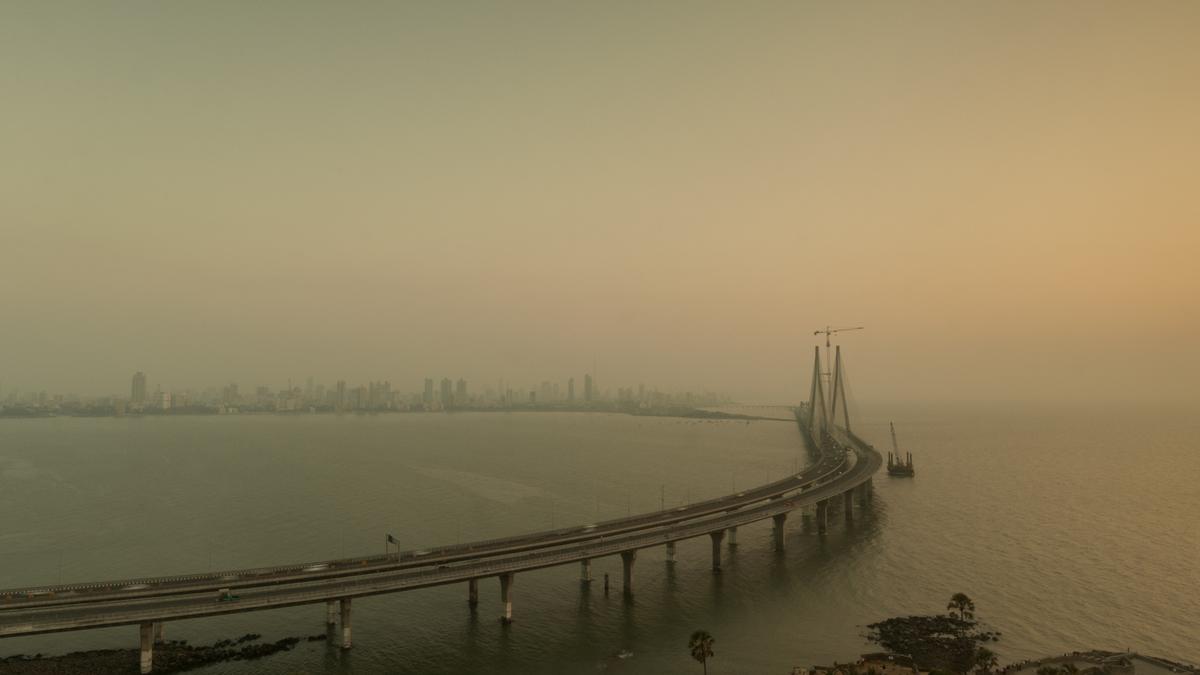
Sun Dec 01 03:54:41 UTC 2024: ## Mumbai Needs Regional Approach to Combat Air Pollution, Study Finds
**MUMBAI, INDIA (December 1, 2024)** – A pan-India study has revealed that Mumbai, and other major Indian cities, cannot effectively improve air quality during winter months by addressing only local pollution sources. The research, published in the Air journal and conducted by Sarath Guttikunda of UrbanEmissions.info, proposes a radical shift towards regional air quality management.
The study argues that air pollution transcends city and state boundaries, requiring a collaborative approach. It suggests dividing India into 15 regional “airsheds,” each tailored to its unique climate and pollution characteristics. Mumbai, along with its satellite cities, would be part of a coastal airshed, facilitating cooperation among local bodies to manage both urban and non-urban emissions.
The research highlights the significant worsening of Mumbai’s air quality during winter, with PM2.5 levels rising 23% in January 2023 compared to the previous year. Guttikunda emphasizes the reciprocal benefits of coordinated efforts: Mumbai’s pollution control measures would benefit surrounding areas, and vice-versa.
The study prioritizes 11 airsheds for immediate attention, notably the Indo-Gangetic Plains and the plateau region between the Eastern and Western Ghats. The Indo-Gangetic Plains, despite bearing the brunt of industrial and agricultural pollution, is not alone in facing challenges; coastal cities like Mumbai, while benefiting from land-sea breezes, still experience pollution spikes in winter.
Guttikunda advocates for a national system integrating regional and urban airsheds under a centralized framework, similar to the U.S. Environmental Protection Agency’s model. This would streamline data collection, monitoring, and pollution control across the country. He concludes that a coordinated approach to airshed management is crucial to addressing the public health crisis posed by air pollution across India.
 First Piper