
Wed Nov 27 02:00:00 UTC 2024: ## Norway Issues Historic Apology for Assimilation of Indigenous Sami, Kven, and Forest Finn Peoples
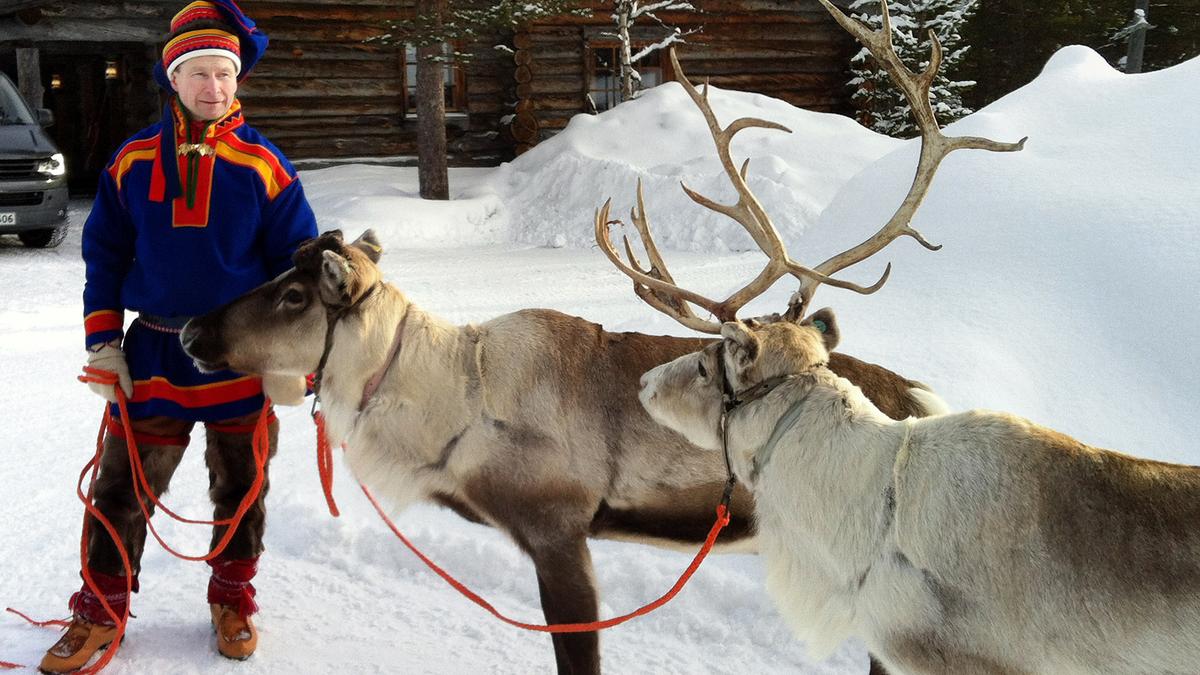
**Oslo, Norway –** The Norwegian Parliament (Storting) issued a formal apology last week for its century-long assimilation policies targeting the Sami, Kven, and Forest Finn peoples. The apology, stemming from a 2023 Truth and Reconciliation Commission report, acknowledges the suppression of indigenous languages and cultures, the forced removal of Sami children from their families, and the ongoing discrimination faced by these communities.
The “Norwegianization” policy, enacted from the 1850s until the 1960s, involved the systematic suppression of Sami, Kven, and Forest Finn languages and traditions through education and religious practices. Sami children were sent to boarding schools, and traditional practices like yoiking were forbidden. The government also restricted land access and imposed discriminatory settlement policies.
The apology, voted on by all but one parliamentary bloc, is accompanied by 17 resolutions aimed at addressing continuing prejudice. These include the establishment of a reconciliation center, preservation of minority languages, and increased government transparency regarding land rights. While King Harald V previously apologized to the Sami in 1977, this marks the first official apology to the Kven and Forest Finn peoples.
Despite the repeal of assimilationist laws in the 1960s, the report highlights continued discrimination, including limited access to healthcare and persistent negative stereotypes. A recent survey revealed widespread public unawareness of the lasting impact of these policies.
Sami leader Silje Karine Muotka welcomed the apology but noted that ongoing land and water disputes remain unresolved. The Norwegian government is expected to submit regular reports on its progress in addressing these issues, starting in 2027. Similar truth and reconciliation commissions are underway in Sweden and Finland to address similar historical injustices against indigenous Sami populations.
 First Piper