
Fri Oct 04 05:47:02 UTC 2024: ## Web Components: A Tool in the Toolbox, Not a Replacement for Frameworks
The recent controversy surrounding Web Components, sparked by a blog post titled “Web Components Are Not the Future,” has highlighted the complex relationship between Web Components and JavaScript frameworks. While some framework authors express frustration with the current state of Web Components, others recognize their potential and value.
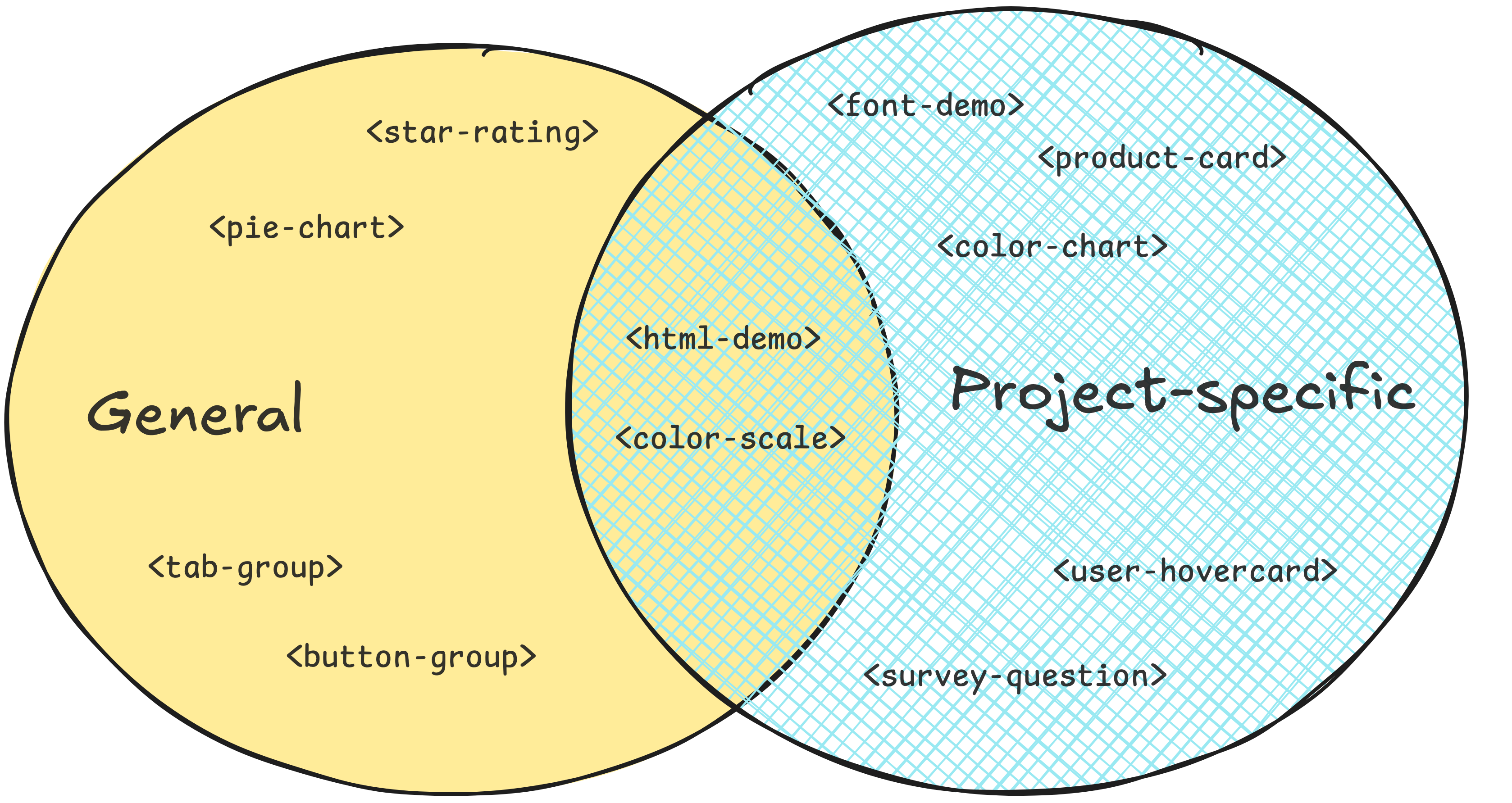
This debate, however, stems from a fundamental misunderstanding of the two technologies’ distinct roles. Web Components, while not ideal for all component use cases, particularly those requiring complex reactivity and templating, excel at creating generalizable, reusable elements that extend HTML.
“Web Components are still far from being a good compile target for all framework components, but that is not a prerequisite for them being useful,” the author argues. “They simply solve different problems.”
The author further highlights the benefits of Web Components’ interoperability, allowing developers to write once and reuse across frameworks, eliminating the need for redundant implementations. This is particularly advantageous for common UI elements like tabs or rating widgets.
However, the author acknowledges that authoring Web Components can be cumbersome without libraries like Lit, and emphasizes the difference in ergonomics between consuming and authoring them. This distinction is crucial, as Web Components are meant to empower developers to create reusable elements that can be consumed by a wider audience, not just expert developers who can also write them.
“The huge benefit of Web Components is interoperability: you write it once, it works forever, and you can use it with any framework (or none at all),” the author states.
The author concludes that Web Components and frameworks are not mutually exclusive, but rather complementary tools. While frameworks may still be necessary for complex applications, Web Components can simplify development by providing reusable components and extending the capabilities of HTML. The ongoing development of Web Components, including advancements in shadow roots, declarative elements, and DOM Parts, suggests a future where they may become even more powerful and versatile.
Ultimately, the author calls for a collaborative approach, emphasizing the potential of both frameworks and Web Components to contribute to a richer and more robust web development ecosystem. “So how about we conclude that frameworks are useful, web components are also useful, stop fighting and go make awesome sh!t using whatever tools we find most productive?”
 First Piper