
Fri Sep 20 08:15:00 UTC 2024: ## Microplastics: From Underappreciated Problem to Global Crisis
**Microplastic pollution, once a relatively unknown threat, has become a global crisis, according to a new review paper published in the journal *Science*. The paper, authored by a team of scientists led by Richard Thompson, underscores the urgent need to address the growing issue.**
Twenty years ago, Thompson and his colleagues first raised the alarm about microplastics, small plastic particles less than 5 micrometers in diameter. Their research predicted that the increasing production and disposal of plastic would lead to a surge in microplastic pollution, a prediction that has unfortunately come true.
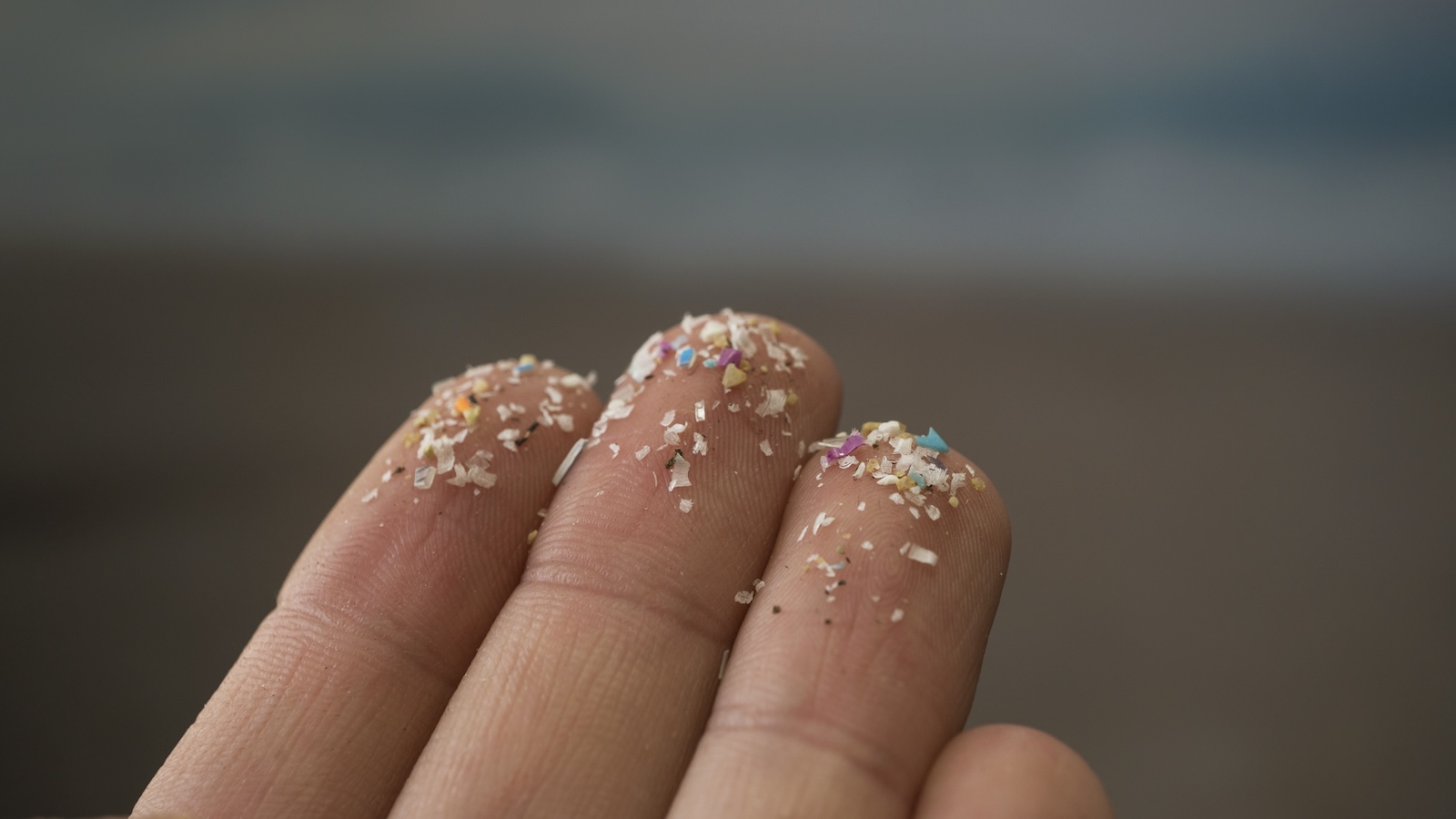
Today, microplastics are found virtually everywhere: in deep sea sediments, on Mount Everest, in rainwater, and even in human bodies. Studies have documented microplastics in over 1,300 species, including humans, where they have been detected in blood, breast milk, and organs.
While scientists are still investigating the full impact of microplastics on human health, some studies have linked them to inflammation and cancer. The pervasiveness of these particles has raised significant public concern, with surveys showing that microplastics are a top health worry for many people.
The review paper identifies various sources of microplastic pollution, including the breakdown of larger plastic debris, paint, rubber tires, and synthetic textiles. While scientists have made significant strides in detecting and characterizing microplastics, the paper emphasizes the need for multidisciplinary approaches to address the crisis.
Thompson and other experts argue that tackling microplastic pollution requires a combination of strategies, including:
* **Reducing overall plastic production:** This can be achieved through policies like the proposed UN treaty on plastic pollution.
* **Banning problematic plastics:** Focusing on single-use plastics and other problematic materials.
* **Promoting reusable alternatives:** Offering convenient and affordable options for consumers.
* **Developing new technologies:** Investing in research and development to better understand the impacts of microplastics and to find new solutions.
“Solutions exist,” says Jen Fela, vice president of programs and communications for the Plastic Pollution Coalition. “The only way to stop plastic pollution is to significantly reduce plastic production.”
As the world grapples with the implications of microplastic pollution, the scientific community, policymakers, and the public must work together to find solutions. The future of our planet and our health may depend on it.
 First Piper