
Fri Sep 20 07:44:49 UTC 2024: ## Pacific Leaders Tackle Violence Against Women with Youth-Focused Education Programs
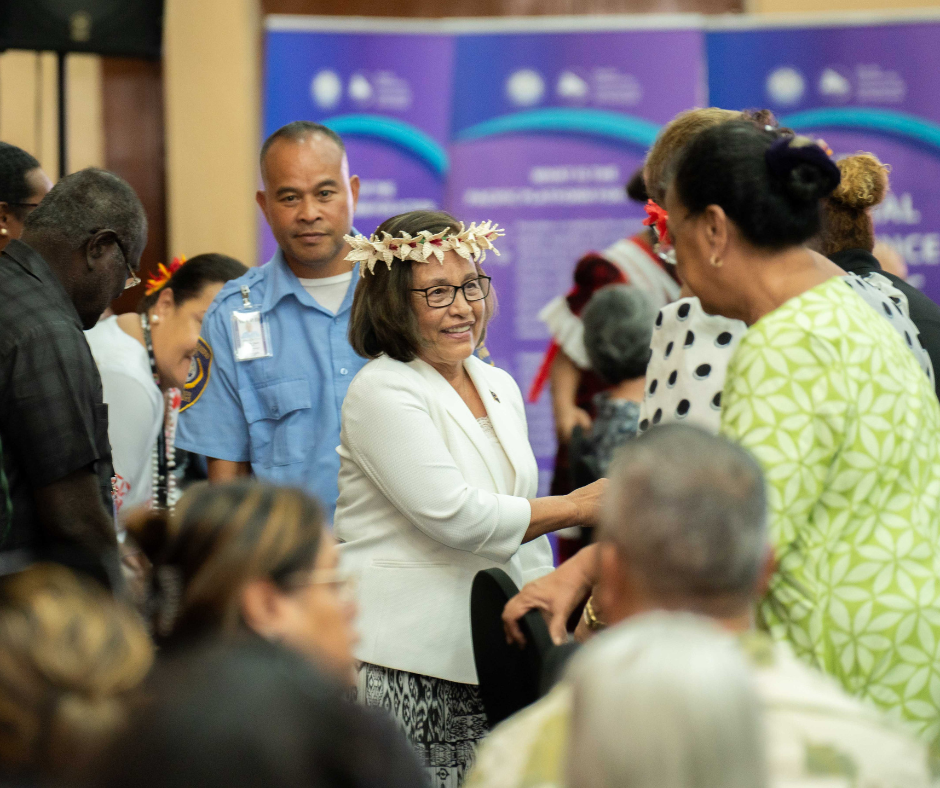
**Majuro, Republic of the Marshall Islands** – Despite decades of effort, violence against women remains a deeply entrenched issue in the Pacific Islands, with rates significantly higher than the global average. At the recent 15th Triennial Conference of Pacific Women, leaders from across the region highlighted the urgency of addressing this crisis, focusing on empowering young people to create lasting change.
The conference, organized by the Pacific Community (SPC), revealed staggering statistics: up to 68% of women in Pacific Island countries have experienced physical or sexual violence by a partner, more than double the global average. This pervasive violence has severe social and economic repercussions, impacting everything from education and health to national development.
Recognizing the need for a multi-generational approach, the SPC is rolling out educational programs like the Pacific Girl project and the Social Citizenship Education (SCE) program. These initiatives aim to cultivate respectful behaviors and awareness of gender equality within school settings. Teachers in Kiribati, Vanuatu, Tuvalu, and the Marshall Islands are being trained to integrate these crucial topics into formal curriculum, fostering a culture of respect and equality from a young age.
“Young men and women can be impactful agents for change on the ground,” emphasizes Mereseini Rakuita, Principal Strategic Lead for Pacific Women and Girls at SPC. “The root cause of gender-based violence is unequal power relations, and involving youth in advocacy can enhance their understanding of violence and its link to inequality.”
The SCE program, supported by the European Union, is already making strides. It has been implemented nationally in Kiribati and is reaching schools in major urban and rural centers across the participating countries.
National leaders are voicing their strong support for these initiatives. “This is the mandate of the Tuvalu National Gender Equity Policy,” stated Sokotia Kulene, Director of the Gender Affairs Department in Tuvalu’s Office of the Prime Minister, emphasizing that such programs are essential for shifting attitudes and promoting positive change.
However, challenges remain. Stigma surrounding domestic and sexual violence often prevents survivors from reporting incidents, leaving perpetrators with a high level of impunity. Additionally, financial dependence and limited access to resources can trap women in cycles of abuse.
“There is a need for greater investment in addressing the root causes of violence,” notes Sharon Bhagwan Rolls, Programme Manager for the Pacific Women Mediators Network in Fiji. She highlights the importance of tackling economic insecurity, challenging misinterpretations of religious texts, and utilizing various media platforms to educate both men and women about gender-based violence.
While tackling violence against women requires a multi-faceted approach, empowering young people through education offers a powerful solution. The SCE program, Pacific Girl, and other initiatives are fostering leadership among youth, creating a new generation of advocates committed to building a more just and equitable future for the Pacific region.
 First Piper