
Fri Sep 20 08:36:22 UTC 2024: ## UK State Debt Hits Record High as New Government Warns of Painful Budget
**LONDON** – The UK’s public sector net debt has reached a staggering 100% of gross domestic product (GDP), the highest level since the 1960s, the Office for National Statistics announced on Friday. This alarming figure comes as the new Labour government prepares for a challenging budget announcement on October 30.
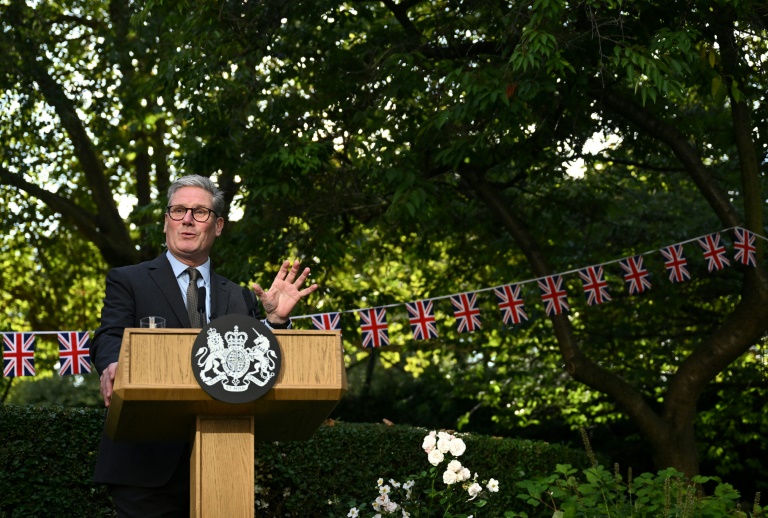
Prime Minister Keir Starmer has already cautioned Britons to brace for difficult decisions, including tax increases and spending cuts, in an effort to address a GBP22 billion (£29 billion) deficit in public finances inherited from the previous Conservative administration.
Finance Minister Rachel Reeves will unveil the government’s fiscal plans to Parliament, facing criticism for the cancellation of a winter fuel benefit scheme for 10 million pensioners. Starmer defends the move as a necessary step towards restoring the country’s economic stability.
“Debt is 100 percent of GDP, the highest level since the 1960s,” said Darren Jones, a senior official at the UK Treasury. “Because of the GBP22 billion black hole in our public finances we have inherited this year alone, we are now taking the tough decisions now to fix the foundations of our economy,” he added.
August borrowing reached a record high of GBP13.7 billion (£18 billion), driven by increased spending on public services, including recent bumper pay rises for doctors and train drivers.
The Office for Budget Responsibility, the government’s economic watchdog, has predicted that UK state debt could triple over the next 50 years due to an ageing population and the challenges of climate change.
Meanwhile, consumer confidence has plummeted in September, according to data analysts GfK. The consumer confidence index fell sharply to minus 20 points, a worrying sign for the new government.
“This is not encouraging news for the UK’s new government despite stable British inflation and the prospect of more interest-rate cuts from the Bank of England,” said Neil Bellamy, GfK’s consumer insights director.
The Bank of England (BoE) has maintained its key interest rate at 5.0%, deciding against further cuts after a recent significant reduction by the US Federal Reserve. However, the BoE has indicated that further cuts may be considered to boost the economy.
Despite the challenges, there are some positive signs. Retail sales jumped 1% in August, driven by summer discounts and warm weather, and annual inflation remains stable at 2.2%.
The UK’s new government faces a complex economic landscape, with the need to tackle rising debt, declining consumer confidence, and an ageing population. The upcoming budget announcement will be closely watched as a crucial step towards restoring economic stability and growth.
 First Piper