
Fri Sep 20 07:30:13 UTC 2024: ## Taiwan’s Lai Navigates First 100 Days: A Balancing Act of Domestic Gains and External Threats
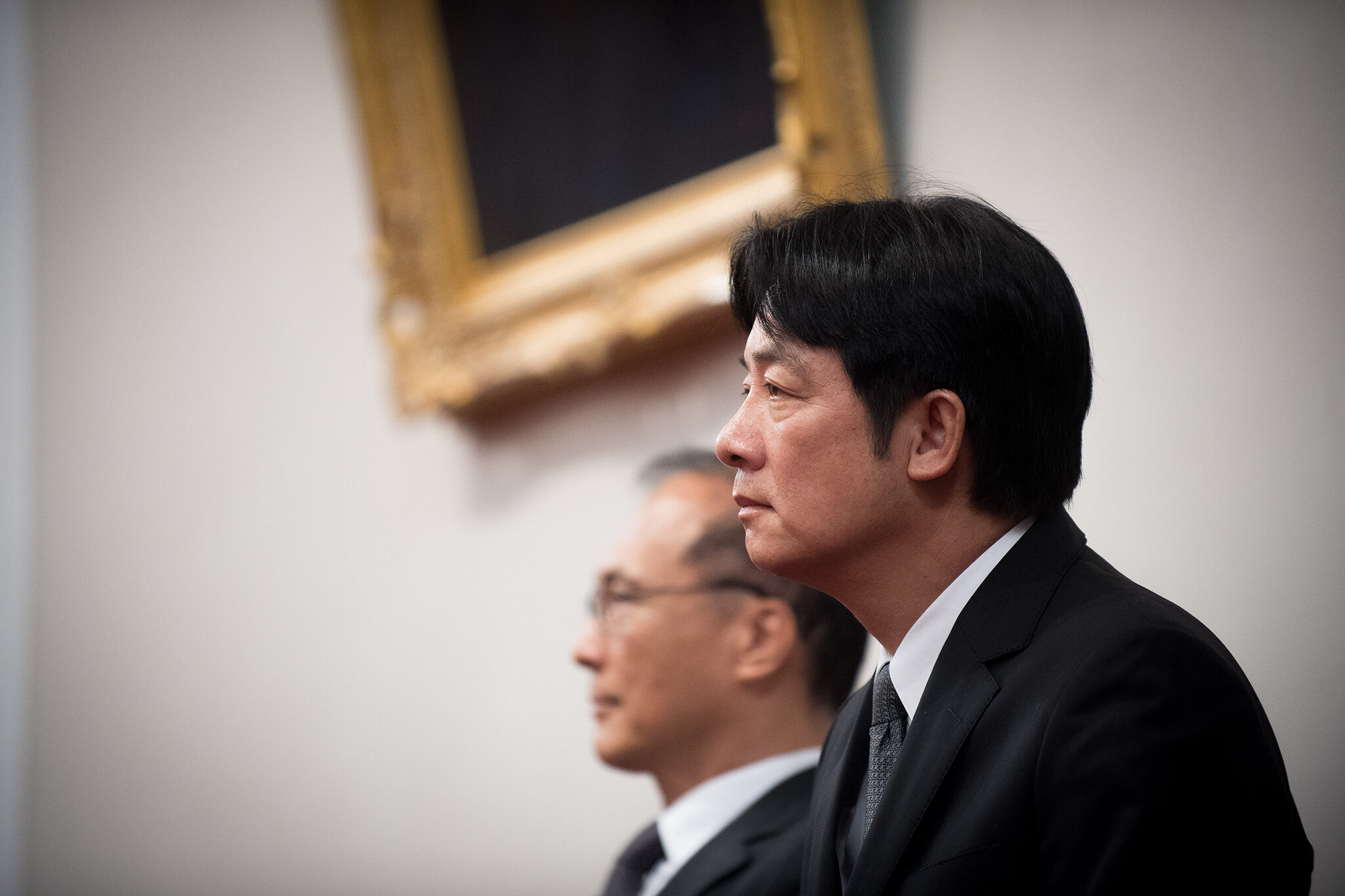
Taipei, Taiwan – President Lai Ching-te has completed his first 100 days in office, offering a glimpse into the challenges and opportunities that lie ahead in his four-year term. While many of the political dynamics are familiar – the power split between the president and the opposition-controlled legislature, China’s intensifying pressure, and ongoing U.S. support – emerging external risks pose a significant challenge.
Lai has enjoyed early success domestically, with strong approval ratings and a focus on key issues like healthcare, climate change, and national resilience. His efforts to strengthen Taiwan’s defense posture and its technological prowess have been met with public approval. Notably, he deftly countered an attempt by the opposition Kuomintang to increase the legislature’s power over the executive branch, solidifying his position as a defender of the Republic of China Constitution.
Internationally, Lai has secured numerous high-level visits and statements of support, including a G7 summit declaration calling for peace and stability in the Taiwan Strait. He has also skillfully managed cross-Strait crises, rallying international support against China’s threats and negotiating the end of a maritime standoff.
However, Lai’s achievements are met with dissatisfaction in Beijing. Chinese President Xi Jinping views Lai’s presidency as a setback, particularly due to his stance on Taiwan’s autonomy and his rejection of the “One China” principle. This has led to increased military activities around Taiwan, which while failing to sway public opinion on the island, highlight Beijing’s policy stagnation and growing frustration.
The Biden administration, while concerned about the escalation in cross-Strait tensions, views the current status quo as a positive development. The administration maintains a strong channel of communication with Lai, ensuring that his policies remain in line with U.S. interests. However, Washington faces a difficult balancing act, seeking to appease Beijing while upholding Taiwan’s right to self-determination.
Looking ahead, Lai faces dynamic risks, including the potential for a global economic downturn and the uncertainty of the next U.S. presidential election. While the current administration has been supportive, both Trump and Harris present unique challenges. Furthermore, an unexpected shift in Beijing’s approach, or a chaotic power transition in the wake of Xi’s retirement, could further destabilize the region.
Despite the uncertainties, Lai’s first 100 days demonstrate his ability to navigate complex political waters. He can rely on the steady international support, while remaining vigilant against both predictable and unforeseen threats. As the next 1,360 days unfold, Taiwan’s fate hangs in the balance, with President Lai at the helm.
 First Piper