
Fri Sep 20 07:30:13 UTC 2024: ## New Study Points to Specific Animals as Likely Source of COVID-19
A groundbreaking study published in *Cell* has identified specific animal species at the Huanan seafood market in Wuhan as the likely source of the COVID-19 pandemic. This research builds upon previous findings, strengthening the theory that the virus jumped from animals to humans at the market in late 2019.
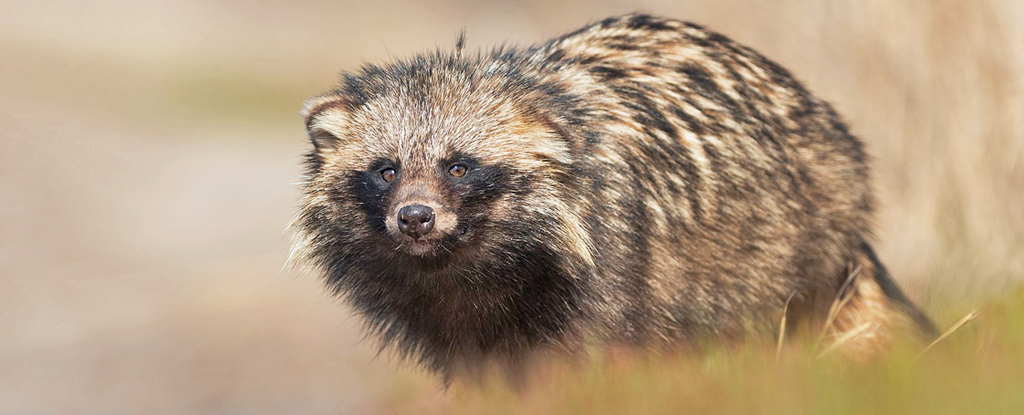
The study, led by evolutionary biologist Florence Débarre of the French National Centre for Scientific Research (CNRS), analyzed environmental samples collected at the Huanan market shortly after its closure. The team, utilizing metagenomic RNA data collected by the Chinese Center for Disease Control and Prevention (CDC), identified genetic material from several animal species, including the common raccoon dog and the masked palm civet, in stalls where SARS-CoV-2 was also found.
These animal species were previously linked to the 2002 SARS outbreak and are known to be susceptible to SARS-CoV-2. The researchers believe that the presence of both animal and viral genetic material in the same samples strongly suggests infected animals were present at the market, contributing to the pandemic’s initial outbreak.
Furthermore, the study’s evolutionary analysis of early COVID-19 viral genomes found that the majority of genetic diversity was concentrated within the market, indicating a market-related emergence. This challenges theories suggesting a widespread human-to-human transmission before the market outbreak.
“This paper adds another layer to the accumulating evidence that all points to the same scenario: that infected animals were introduced into the market in mid- to late November 2019, which sparked the pandemic,” explains evolutionary biologist Kristian Andersen of the Scripps Research Institute.
The research highlights the crucial need for stricter regulations and preventative measures to minimize the risk of future zoonotic events. “This is the most risky thing we can do – take wild animals that are teeming with viruses and then play with fire by bringing them into contact with humans,” emphasizes ecologist Michael Worobey of the University of Arizona.
While the study doesn’t definitively prove the presence of infected animals, it provides valuable insight into the origins of COVID-19 and reinforces the crucial role the Huanan market played in the pandemic’s initial outbreak. This knowledge is vital for preventing future pandemics and ensuring a safer future for humanity.
 First Piper