
Thu Sep 12 00:13:07 UTC 2024: ## Laughter is the Best Medicine: Medical Clowns Help Children Recover Faster
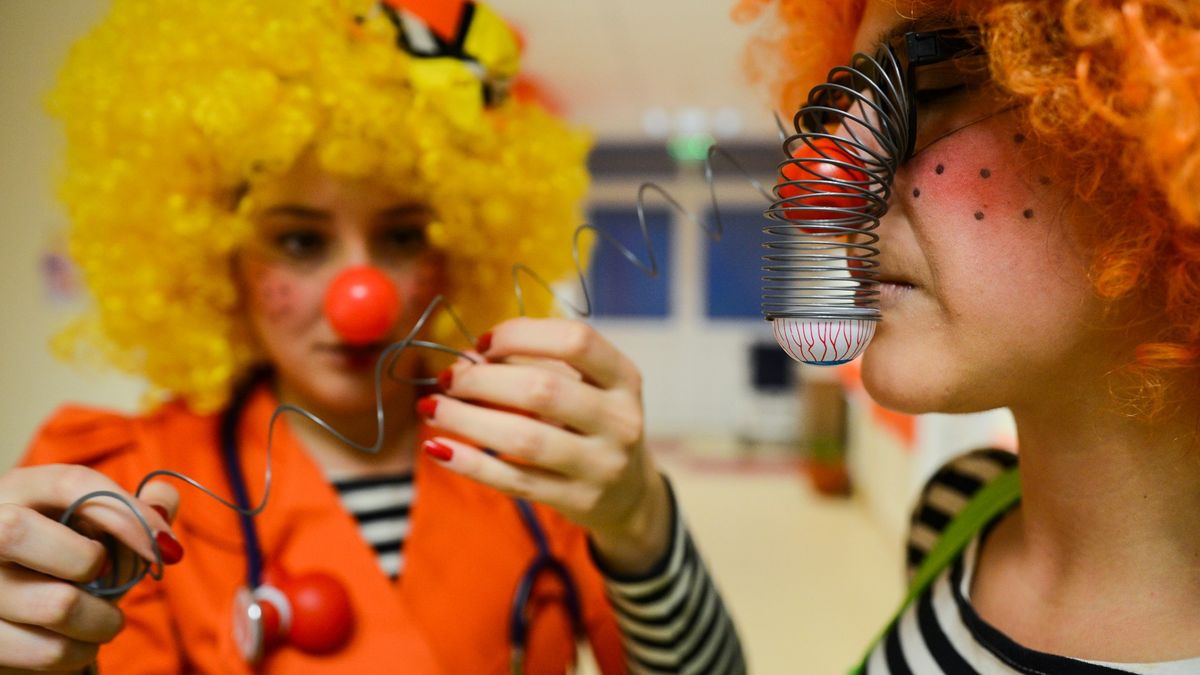
New research from Carmel Medical Center in Haifa, Israel, provides further evidence that laughter and joy are vital for patient recovery. A study involving 26 children with pneumonia showed that those visited by medical clowns twice a day for 15 minutes recovered significantly faster than those in a control group.
The clown-visited group spent an average of 44 hours in the hospital compared to 70 hours for the control group and required only two days of intravenous antibiotics compared to three days. Additionally, the children who saw clowns showed lower respiratory and heart rates and reduced inflammatory markers.
This latest research adds to a growing body of evidence highlighting the benefits of medical clowning. While the practice is thought to date back to Hippocrates, it gained widespread popularity in the mid-1980s. Today, there are over 40 Healthcare Clowning Organizations operating in 21 European countries alone.
Studies have shown that medical clowns can reduce stress and anxiety in young patients, improve sleep patterns, and facilitate better communication with doctors. Medical clowns also possess qualities that contribute to a patient’s healing process, including the ability to create a more positive hospital environment, decrease agitation in patients with dementia, and even improve pregnancy rates in women undergoing fertility treatments.
The researchers emphasize that medical clowning, while not a standardized interaction, can help patients cope with stress, adjust to the hospital environment, and participate more actively in their treatment plans, ultimately leading to faster recovery.
The positive effects of laughter and joy on health are not limited to children. Medical clowns are now increasingly recognized for their ability to improve the well-being of adults as well, particularly those with dementia, cancer, or mental health conditions.
This research adds to the growing understanding of the powerful connection between laughter, joy, and healing. It suggests that incorporating humor and play into healthcare can have a significant positive impact on a patient’s recovery journey.
 First Piper