
Wed Nov 26 08:06:23 UTC 2025: Headline: Moss Spores Thrive in Space: Paving the Way for Extraterrestrial Greenery?
New Delhi, India – November 27, 2025 – In a groundbreaking study published in iScience, Japanese researchers have demonstrated the remarkable resilience of moss spores in the harsh environment of space. The findings, detailed in the “Science for All” newsletter from The Hindu, suggest that these simple plants could play a crucial role in future space colonization efforts.
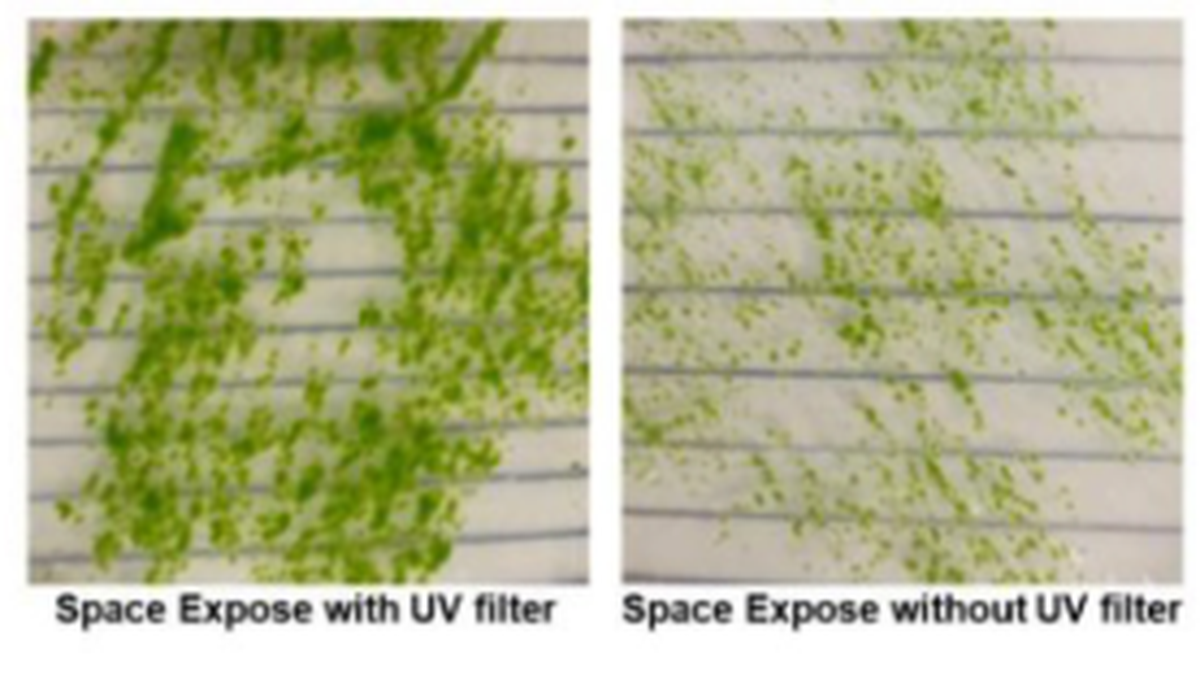
Scientists sent spores of the model moss Physcomitrium patens, encased in their protective sporangium (spore capsule), to the International Space Station (ISS) for a nine-month exposure. Despite enduring vacuum, temperature swings, microgravity, and even direct exposure to space UV radiation, a staggering 86% of the exposed spores were still able to germinate upon their return to Earth.
The study revealed that the sporangium acted as a critical shield, protecting the spores from extreme conditions. Ground tests showed that spores within the sporangium were significantly more resistant to UV radiation, freezing temperatures, high heat, and vacuum compared to other moss tissues.
Researchers compared the radiation tolerance of the spores to other microorganisms and crop seeds, determining that moss spores were the most hardy, especially in their resistance to short-wavelength UV rays.
While acknowledging limitations, such as the limited study data on low-temperature resistance and the potential for long-term pigment damage, the scientists believe their work significantly bolsters the idea that bryophytes, including mosses, could be vital for establishing “green” extraterrestrial bases and supporting closed life-support systems. This research also provides crucial insights into the limits of plant life in extreme environments, a question of increasing importance in the face of climate change and future space exploration.
 First Piper