
Mon Nov 24 07:30:00 UTC 2025: Summary:
The United States and Russia have presented Ukraine with a 28-point peace plan, offering security guarantees and investment in exchange for concessions that many believe favor Russia. President Trump has hinted at abandoning Ukraine if it rejects the deal. While Ukraine’s military can partially cope with the loss of U.S. weapons, the potential loss of U.S. intelligence sharing and financial backing poses a greater threat. Many question the credibility of the proposed security guarantees, fearing a repeat of historical deals that have harmed smaller nations. European leaders have expressed concerns and are meeting to discuss the plan, signaling a potential shift towards Europe taking greater responsibility for Ukraine’s security.
News Article:
Ukraine Faces Existential Choice: Accept US-Russian Peace Plan or Risk Abandonment
Geneva – Ukraine is facing immense pressure to accept a 28-point peace plan brokered by the United States and Russia, or risk losing crucial American support, sources familiar with the negotiations told CNN. The plan, which offers security guarantees and investment contingent on Ukraine’s acceptance of demands seen as favoring Russia, has been met with skepticism in Kyiv and among European allies.
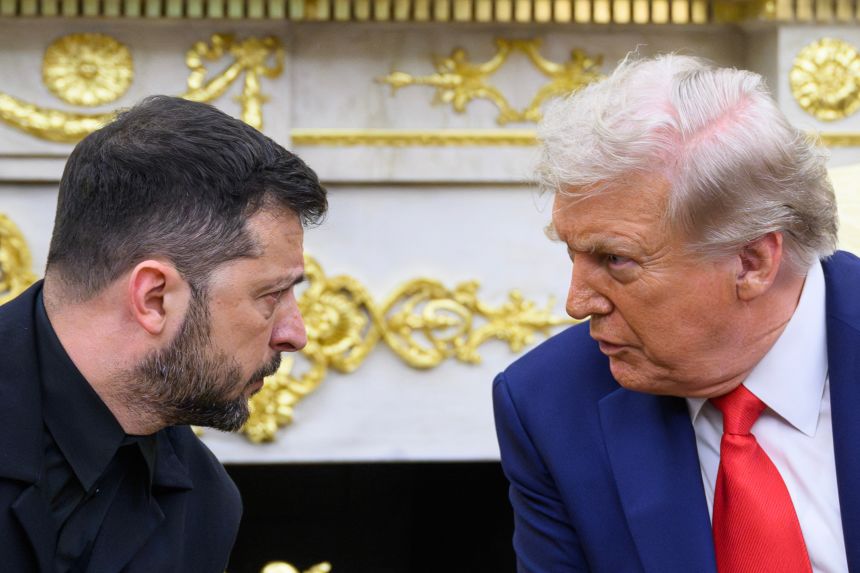
US President Donald Trump has sent mixed messages, suggesting Ukrainian President Volodymyr Zelensky “would have to like” the deal while also hinting at cutting off support if it’s rejected. This has left Ukraine facing a stark choice: concede to Russian demands or risk being abandoned by its most powerful ally.
The consequences of losing US support would be significant. While Ukraine has diversified its weapons supply, the loss of US air defenses, ATACMS missiles, and, most critically, US intelligence sharing, could cripple its ability to defend against Russian advances. The US briefly stopped sharing intelligence with Ukraine back in March, after the infamous Oval Office encounter between Trump and Zelensky.
Beyond military aid, the loss of US financial backing could further destabilize Ukraine’s struggling economy. The International Monetary Fund estimates Ukraine needs $65 billion in budget support over the next year. The US-Russian plan also threatens to disrupt negotiations over using frozen Russian assets to aid Ukraine’s reconstruction, proposing terms that appear unfavorable to Europe.
The proposed security guarantees, described as “reliable,” lack detail and are causing deep unease. Language stating, “It is expected that Russia will not invade neighboring countries,” is insufficient to reassure a nation currently at war with Russia.
European leaders have cautiously rejected the plan, stating it “requires additional work.” They have scheduled meetings with Ukrainian and US counterparts to discuss the blueprint, signaling a potential shift towards Europe taking greater responsibility for Ukraine’s security. As former Lithuanian Foreign Minister Gabrielius Landsbergis said on X Saturday, “We have been told repeatedly and unambiguously that Ukraine’s security, and therefore Europe’s security, will be Europe’s responsibility. And now it is.”
Some critics have drawn parallels between this deal and historical agreements that have harmed smaller nations, fearing it could set a dangerous precedent. “Any suggestion that we can pursue arms control with a serial killer and liar like Putin should be treated with great skepticism,” said US Sen. Roger Wicker.
The coming days will be critical as Ukraine weighs its options and navigates the complex geopolitical landscape. Its decision will not only determine its own future but could also redefine the balance of power in Europe and the transatlantic alliance.
 First Piper