
Sun Nov 23 20:11:39 UTC 2025: ## News Article: Delhi Residents Raise Concerns Over Waste-to-Energy Plant Emissions
New Delhi, November 24, 2025 – Residents living near waste-to-energy (WTE) plants in Delhi are reporting health concerns, alleging that emissions from the facilities are causing respiratory issues and depositing black ash on their properties. The complaints come primarily from those living near the 24 MW WTE plant in Bawana, operated through a public-private partnership between the Municipal Corporation of Delhi (MCD) and Re-Sustainability.
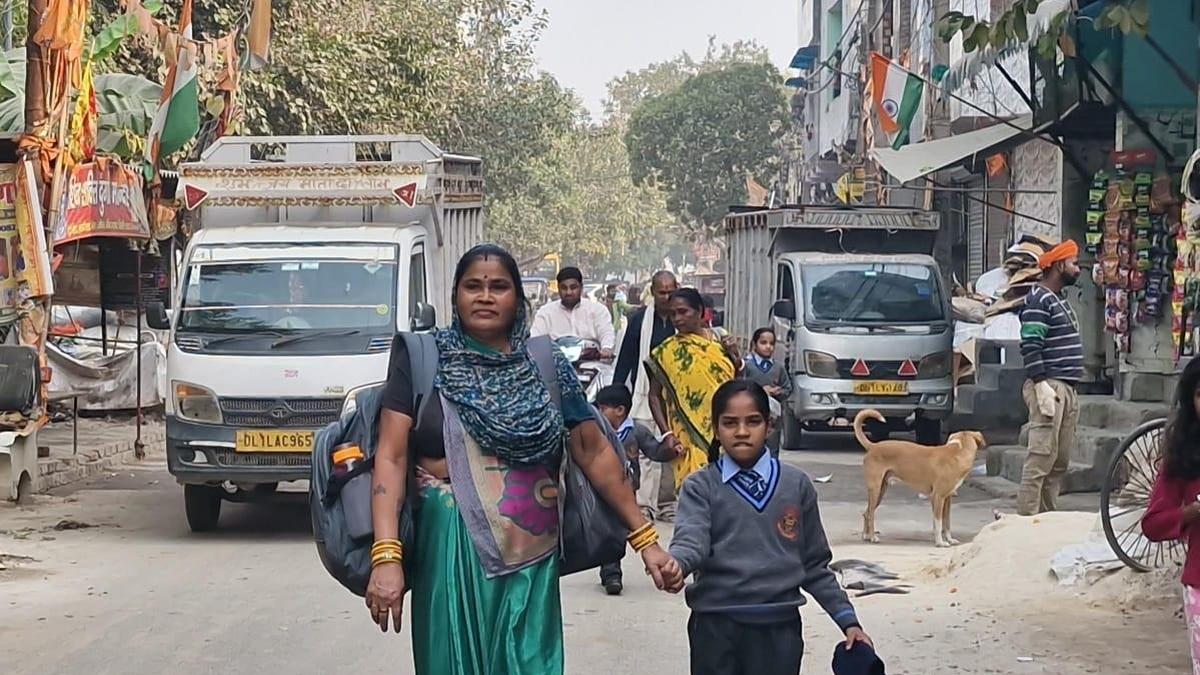
Harbai, a resident of Metro Vihar JJ Colony in Bawana, reports regularly clearing layers of black ash from her terrace, which she attributes to the nearby plant. Similar concerns were echoed by Somvati, who suffers from breathlessness, and other residents of surrounding villages including Holambi Khurd, Sonath, Holambi Kalan, and Naya Bans. Residents claim medical camps and facilities mandated within a 5-kilometer radius of the plants are infrequent.
While the plants are classified as “essential services” and operate even during GRAP III restrictions, concerns remain regarding the quality of waste processing. An employee at the Bawana facility acknowledged that the 85 daily truckloads of waste arriving are largely unsegregated, making efficient sorting difficult.
Delhi’s four WTE plants in Bawana, Tekhand, Okhla, and Ghazipur collectively process approximately 7,500 tonnes of the 11,300 tonnes of mixed waste generated daily. The remaining waste ends up in landfills.
A Jindal Group representative, operating the Okhla and Tekhand plants, stated that fly ash and bottom ash are stored in sealed silos or sent to approved landfills, and flue-gas systems are used to trap acidic pollutants. They also stated that plastics like PVC are separated before burning.
Environmental experts like Parth Kumar of the Centre for Science and Environment emphasize the need for proper source segregation of waste, as toxins can remain in combustible material when waste arrives mixed. He argues for the implementation of GRAP-like norms when residents raise concerns and advocates for greater transparency in pollutant tracking and emission levels.
The situation highlights the ongoing challenges of waste management in Delhi and the need for stricter environmental oversight and greater community engagement to address the health concerns of residents living near WTE plants.
 First Piper