
Fri Nov 07 13:40:27 UTC 2025: Summary:
The Kerala State Biodiversity Board (KSBB) has released the Kerala State Biodiversity Strategy and Action Plan 2025-33, aiming to make Kerala the most biodiverse-friendly state in India by 2035. The plan focuses on strengthening agrobiodiversity, conserving native breeds, leveraging local self-government for biodiversity conservation, and involving women and youth in stewardship. It includes initiatives like early warning systems for human-wildlife conflict, regulating mining, preventing zoonotic diseases, and developing urban forests. The plan promotes community-centric ecotourism, piloting the City Biodiversity Index in major cities, and establishing a steering committee and biodiversity cadre for decentralized implementation and monitoring.
News Article:
Kerala Aims to Become India’s Most Biodiverse State by 2035
Thiruvananthapuram, India – November 7, 2025 – The Kerala State Biodiversity Board (KSBB) has unveiled an ambitious plan to transform Kerala into India’s most biodiverse-friendly state by 2035. The “Kerala State Biodiversity Strategy and Action Plan 2025-33” outlines a comprehensive approach encompassing various sectors and involving local communities in conservation efforts.
The plan focuses on eight strategic objectives, including strengthening agrobiodiversity by promoting indigenous crop and livestock diversity, such as Vechur cattle and Kuttanad ducks. The KSBB aims to leverage Kerala’s robust local self-government structure, using the “Panchayati Raj” system and the “Kudumbasree Mission” to empower communities in biodiversity governance, according to KSBB chairperson N. Anil Kumar.
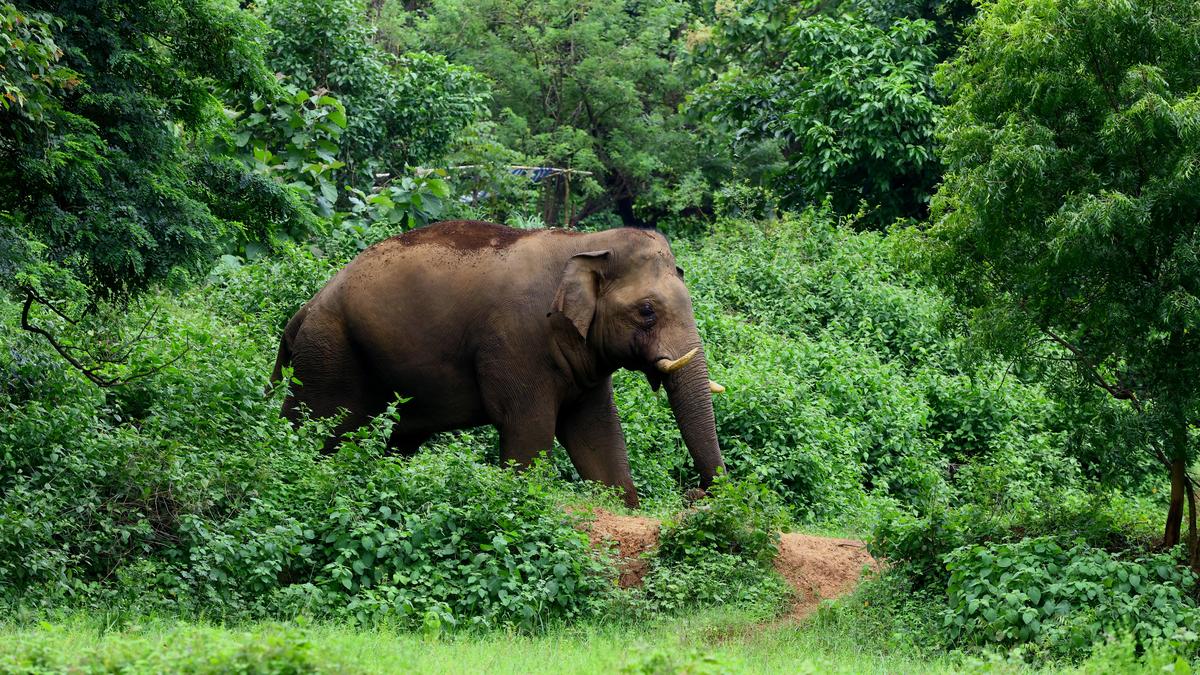
Targeted actions include strengthening human-wildlife coexistence through early warning systems, regulating unscientific mining and quarrying, zoonotic disease prevention, conserving rare species, enhancing forest carbon sink potential, and developing urban forests.
The plan also emphasizes integrated coastal, marine, and inland biodiversity management, with community-centric ecotourism guidelines. It recommends developing biodiversity-sensitive tourism codes for coastal and wetland destinations, waste audits, and benefit-sharing with local communities.
The KSBB plans to pilot the City Biodiversity Index (CBI) in Thiruvananthapuram, Kochi, and Kozhikode to guide biodiversity planning and green infrastructure development.
To ensure the plan’s implementation, a State-level steering committee comprising senior secretaries from 11 key departments and institutions has been established. A virtual biodiversity cadre with officials from 21 line departments and District Biodiversity Coordination Committees will oversee decentralized implementation and monitoring.
 First Piper