
Tue Oct 28 07:17:24 UTC 2025: Summary:
Archaeological excavations are underway at the Thiaroye military cemetery in Senegal to uncover the truth behind a WWII-era massacre of West African soldiers by French colonial forces. The soldiers, who had fought for France, were killed in December 1944 after protesting for equal treatment and unpaid wages. Researchers are exhuming graves, finding skeletons, and analyzing remains to determine the number of victims and the circumstances surrounding the massacre, which has been a source of contention between Senegal and France. Initial findings suggest the death toll was higher than initially reported by French authorities and that some of the soldiers may have been buried in chains. The Senegalese government is committed to preserving the memory of the soldiers and has ordered further investigations using ground-penetrating radar.
News Article:
Senegal Digs Deep for Truth Behind WWII Massacre by French Forces
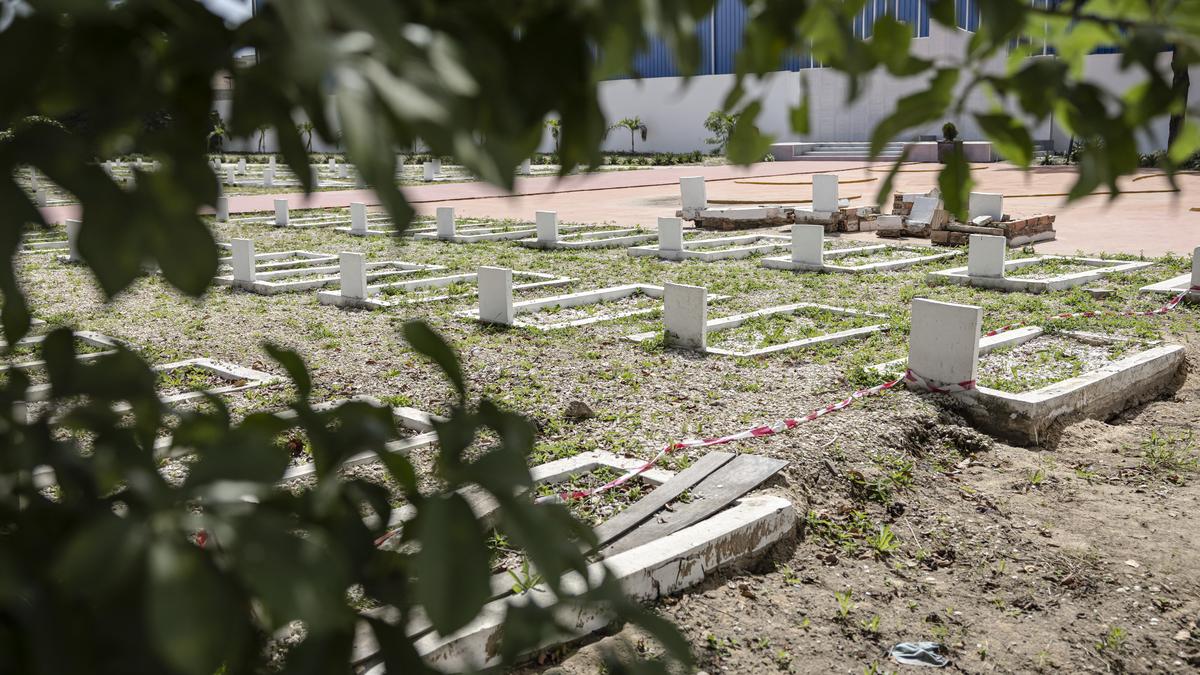
THIAROYE, SENEGAL – October 28, 2025 – Eighty-one years after the tragic events that unfolded at the Thiaroye camp near Dakar, Senegal is unearthing more than just graves; it’s digging for long-buried truths. Archaeological excavations are underway at the Thiaroye military cemetery, seeking to shed light on the massacre of West African soldiers by French colonial forces during World War II.
In November 1944, approximately 1,600 soldiers from various West African nations were stationed at the Thiaroye camp after being captured while fighting for France. Mounting frustration over unpaid wages and demands for equal treatment with their white counterparts led to a deadly confrontation on December 1st when French forces opened fire. The exact number of casualties and burial locations have remained a mystery, clouded by conflicting accounts and limited access to French colonial archives.
Now, archaeologists are painstakingly excavating graves within the Thiaroye military cemetery, established in 1926. The research team, led by Moustapha Sall, has discovered skeletons, some bearing signs of extreme violence, including a bullet wound and the presence of iron chains on the shins of some remains. Preliminary findings suggest the number of victims could be significantly higher than the 70 initially reported by French authorities. Researchers believe the true figure could be closer to 300-400.
“This is a very important step in the search for historical truth,” stated Colonel Saliou Ngom, director of the Senegalese army’s archives and historical heritage. The team is also utilizing ground-penetrating radar to explore the cemetery’s subsoil.
Senegalese President Bassirou Diomaye Faye has pledged to preserve the memory of the soldiers and has authorized the continuation of excavations at potential mass grave sites. The effort follows a 2024 acknowledgement by French President Emmanuel Macron that a massacre did indeed occur at Thiaroye.
DNA analysis will be the next crucial step in identifying the origins of the soldiers. For Senegal, the search for answers continues, driven by a desire for justice and historical accuracy. “We have been searching for the historical truth for 81 years,” Colonel Ngom stated, “If the subsoil provides us with (this truth) there is nothing more significant.”
 First Piper