
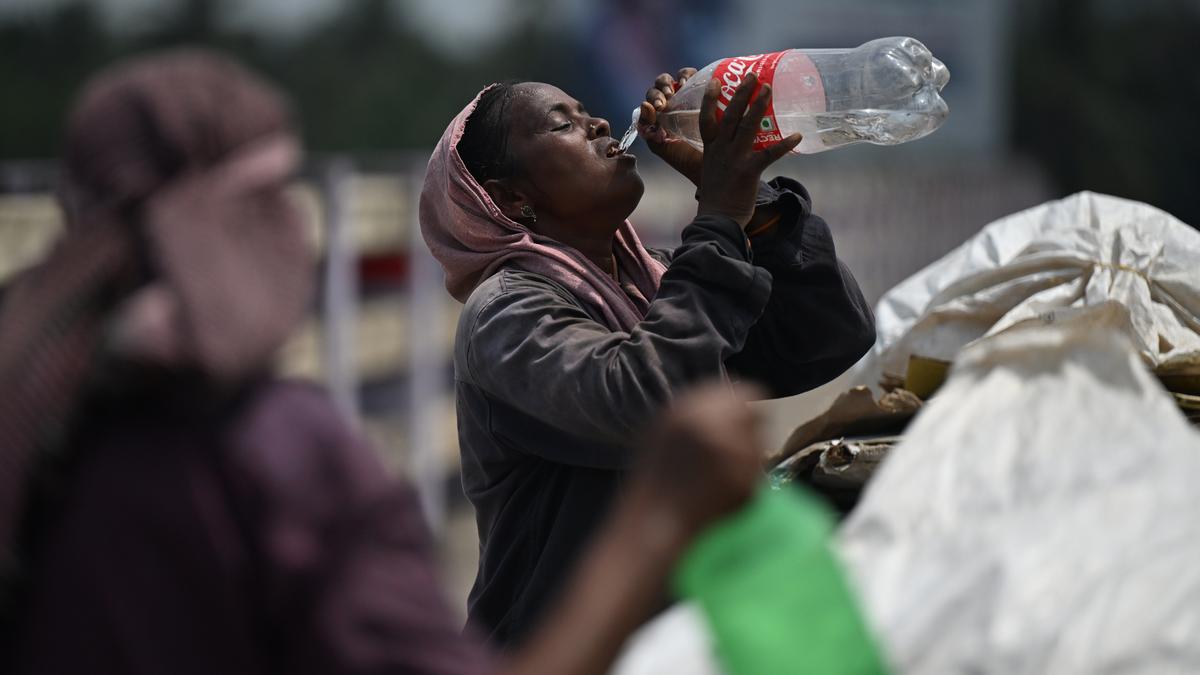
Sun Apr 20 09:37:24 UTC 2025: ## India’s Informal Workers Face Extreme Heat: Experts Call for Urgent Action
**New Delhi, April 20, 2025** – With India bracing for an exceptionally hot summer, climate experts are urging immediate action to protect the nation’s vulnerable informal workforce from the devastating effects of extreme heat. A new report highlights that over 80% of Delhi’s informal workers, including street vendors and construction labourers, face severe health risks and income losses due to rising temperatures. Women are disproportionately affected.
The India Meteorological Department (IMD) predicts above-normal temperatures across large swathes of the country from April to June, with a significantly higher number of heatwave days anticipated than usual. This is particularly concerning given that a Greenpeace India report revealed 61% of street vendors lost over 40% of their daily income during extreme heat last year, and 75% lacked access to cooling infrastructure.
Experts propose several key interventions: paid heat leave, free water ATMs at labour hubs, and legal recognition of a “right to cool,” which would mandate shaded bus stops, cooling shelters, and thermal comfort for all. They also advocate for gender-responsive urban planning, including safe, accessible public toilets and rest zones near workplaces, as well as improved public transport.
The need for city-level heat action plans with enforceable measures, such as non-negotiable paid time off during heatwave alerts, is emphasized. Further recommendations include installing shaded canopies, deploying mobile cooling stations, and keeping public parks accessible 24/7. Experts also suggest declaring heatwaves national disasters to unlock emergency funds and compensation. Finally, hyperlocal climate-risk mapping and participatory planning are seen as crucial for tailoring solutions to specific community needs.
The experts’ proposals aim to address the inequitable access to cooling highlighted by the India Cooling Action Plan (2019), urging integration of climate justice into urban planning to ensure the most vulnerable are not left behind.
 First Piper