
Thu Apr 17 03:35:24 UTC 2025: ## Europe’s 2024 Floods: Worst Since 2013, Climate Change a Key Factor
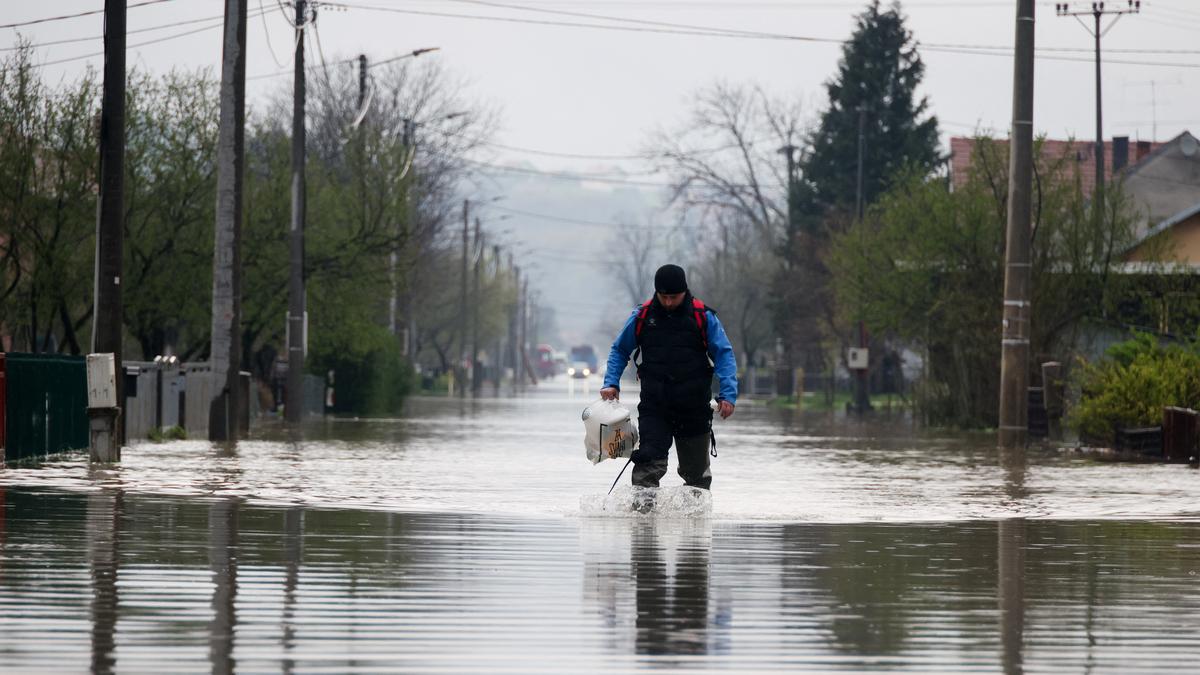
**Brussels, April 17, 2025** – A joint report by the European Union’s Copernicus Climate Change Service and the World Meteorological Organization (WMO) reveals that Europe experienced its most widespread flooding since 2013 in 2024. The devastating floods affected 30% of the continent’s river network, resulting in at least 335 deaths and impacting over 410,000 people.
Western Europe bore the brunt of the damage, with 2024 ranking among the region’s ten wettest years on record. The economic toll was substantial, exceeding €18 billion in damages, making storms and flooding the continent’s costliest weather extremes. The Valencia floods in late October alone accounted for the majority of casualties (232 deaths) and economic losses. Storm Boris in September further exacerbated the situation, unleashing record rainfall across Central Europe.
The report highlights the link between these extreme weather events and climate change. 2024 was globally the warmest year on record, with Europe experiencing its warmest year ever – a continent experiencing faster warming than the global average. Scientists confirmed that climate change has increased the likelihood of such intense rainfall events, as a warmer atmosphere holds more water. Atmospheric water vapor reached record highs in 2024.
While the report notes positive developments, such as renewable energy sources reaching a record 45% of Europe’s energy production and climate adaptation plans in most European cities, other extreme weather events were widespread. Southeastern Europe suffered its longest heatwave on record (13 days), Scandinavia witnessed record glacier shrinkage, and heat stress increased across the continent. Conversely, much of Eastern Europe experienced drought.
The report emphasizes that every fraction of a degree of warming increases risks to lives, economies, and the planet. While river management and urban planning also play a role in flood vulnerability, the undeniable link to climate change underscores the urgency for mitigation and adaptation strategies.
 First Piper