
Sun Apr 13 03:30:00 UTC 2025: ## India on Track to Eliminate Malaria by 2030, but Challenges Remain
**Chennai, April 13, 2025** – India is poised to eliminate malaria by 2030, according to reports from the World Health Organization (WHO) and the Commonwealth Malaria Report. A significant decline in malaria deaths has been attributed to improved surveillance, diagnosis, and access to medication. However, experts warn that sustained efforts and addressing existing challenges are crucial to achieving this ambitious goal.
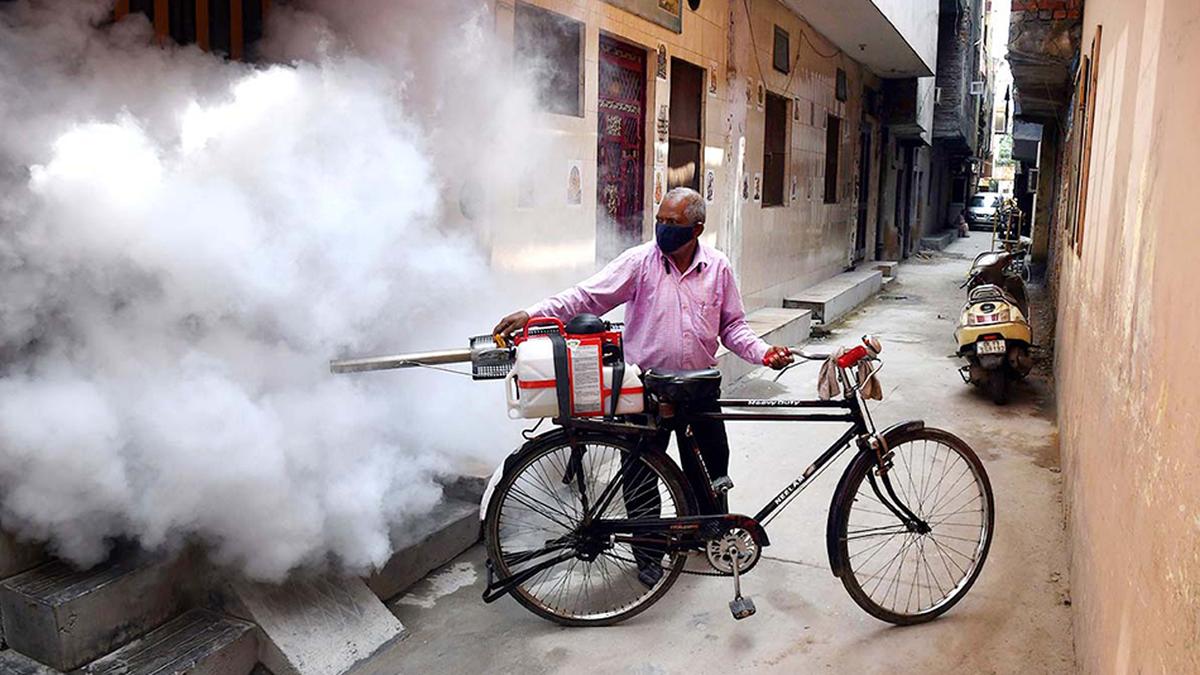
Tamil Nadu serves as a success story, reporting only around 340 malaria cases in the past two years. This dramatic reduction is credited to rigorous surveillance, identifying fever cases and their origins, targeting environmental factors like stagnant water, and undertaking intensive anti-vector activities. The state’s proactive approach includes routine anti-malarial activities and long-term monitoring of high-risk areas.
While two common malaria types (Plasmodium vivax and Plasmodium falciparum) are present in Tamil Nadu, with the latter often imported, the state has effectively reduced breeding grounds by focusing on overhead tanks, wells, and other potential breeding sites. Public health initiatives, including education on covering water containers, have played a significant role.
Despite these successes, challenges remain. A shortage of health and sanitary inspectors, described as an “invisible force” crucial to malaria control, threatens progress. Additionally, a recent rise in malaria cases in some regions suggests a waning of earlier surveillance efforts.
Experts highlight the need for a multi-pronged approach, including:
* **Strengthened surveillance:** Both within states and across state borders.
* **Environmental sanitation:** Targeting mosquito breeding grounds.
* **Public-private partnerships:** For the production of mosquito nets and repellents.
* **Trained entomologists:** To assess vector strength and provide timely guidance.
* **Integrated urban strategies:** Addressing both malaria and dengue, which share similar mosquito breeding habitats.
While India has made significant strides and is no longer on the WHO’s High Burden to High Impact list, sustained commitment to these strategies is vital to ensure the complete elimination of malaria by 2030. The resurgence of cases in some states, particularly Chhattisgarh, Jharkhand, Maharashtra, Mizoram, Odisha, Uttar Pradesh, and West Bengal, underscores the need for nationwide vigilance and coordinated action.
 First Piper