
Fri Apr 04 03:30:00 UTC 2025: ## Bengaluru Architect Explores Colonial Influences on South Indian Brick Architecture
**Bengaluru, April 4, 2025** – Architect and author Dr. Priya Joseph recently delivered an illustrated talk at the Indian Institute for Human Settlements (IIHS), Bengaluru, exploring the history of brick architecture in 19th-century South India. Her presentation, based on her new book, *Brick Architecture Craft in Nineteenth-Century South India: Reading Buildings as Archives*, argues that analyzing building materials provides a decolonized perspective on urban history.
Joseph highlighted the rich history of brick, tracing its use from the Indus Valley Civilization to the present day. She emphasized the information embedded within bricks themselves, revealing details about the era, techniques, and even the people who made them. Footprints on ancient bricks from Mohenjo-daro, for instance, offer a glimpse into daily life overlooked in traditional historical accounts.
The talk focused on the 19th century, a period marked by the intersection of colonial, missionary, and indigenous building practices. Joseph discussed the role of the Basel Mission in Mangaluru, which not only introduced standardized Mangalore tiles but also significantly impacted terracotta production and printing technologies in the region. This exchange, she argued, resulted in a hybrid architectural style reflecting both colonial and local influences.
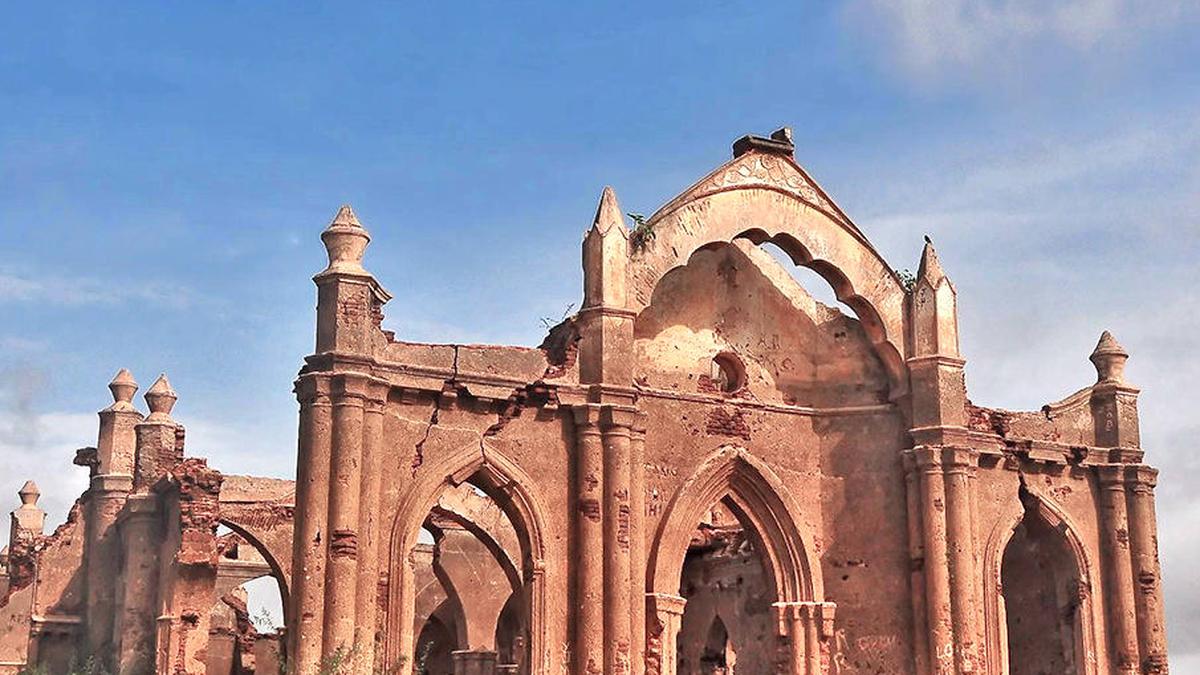
Joseph also examined buildings in various locations, including the Fort High School in Bengaluru and the Shettihalli Rosary Church, demonstrating the blending of indigenous and European architectural styles. She emphasized the importance of acknowledging this hybridity, avoiding a purely colonial or purely indigenous interpretation of these structures.
Finally, Joseph addressed the future of brick architecture, considering its environmental impact and the working conditions of brick kiln workers. She advocated for a return to the thinner, more sustainable bricks of the past, which were integrated into the larger agrarian ecosystem of South India. Despite the challenges, she noted that brick remains a vital and affordable building material for a large population.
 First Piper