
Wed Apr 02 09:54:18 UTC 2025: ## India and China: A Delicate Balance Between Cooperation and Competition
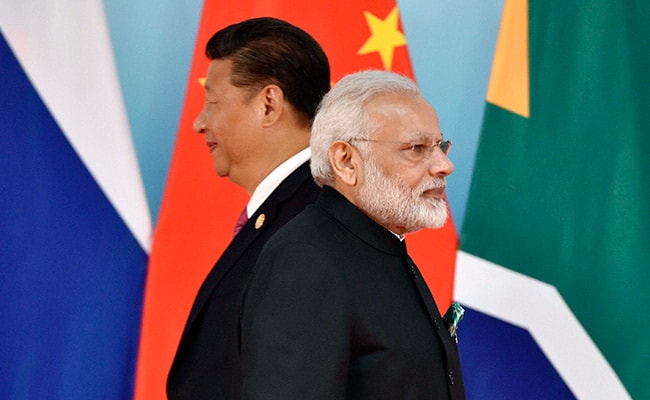
**New Delhi, India** – Following a four-year stalemate stemming from deadly 2020 border clashes in Galwan, India and China have shown signs of renewed rapprochement, with a recent meeting between Prime Minister Narendra Modi and President Xi Jinping. However, the relationship between these two Asian giants remains complex, characterized by a delicate balance between cooperation and competition.
While bilateral trade has surged to over $100 billion since 1990, a significant trade imbalance and a lack of trust, exacerbated by the Galwan incident and subsequent restrictions on trade and investment, have hampered economic ties. The two countries’ complementary economies, highlighted in a joint study group report, have also hindered participation in free trade agreements.
Despite these challenges, the potential for synergy remains. China’s manufacturing prowess and technological advancements are complemented by India’s burgeoning economy and attractiveness for foreign investment. Both nations recognize the mutual benefit of increased economic engagement. However, differing approaches to global governance and strategic partnerships create further friction.
China’s assertive diplomacy and Belt and Road Initiative, while fostering infrastructure development in some nations, have also raised concerns about unsustainable debt burdens. India’s more modest approach to development assistance, focused on capacity building, has garnered greater trust and solidified its position as a security provider and voice for the Global South.
The competition extends to the United Nations, where both nations vie for influence. China’s permanent Security Council seat contrasts with India’s pursuit of a greater role. Differing views on reforming the multilateral system and shaping global governance further highlight the complexities of the relationship.
Despite the potential for conflict, both nations have consistently avoided escalation since the 1962 war. The recent rapprochement, symbolized by the Modi-Xi meeting, indicates a commitment to dialogue and a recognition of the impossibility of containing the other. However, sustaining peace requires sustained political will and the rebuilding of trust. The author concludes that a cooperative model, where both nations can coexist and thrive, is crucial not only for Asia but also for the global community.
 First Piper