
Fri Mar 21 20:30:00 UTC 2025: ## Nagpur Erupts in Violence Following Controversial Film’s Release
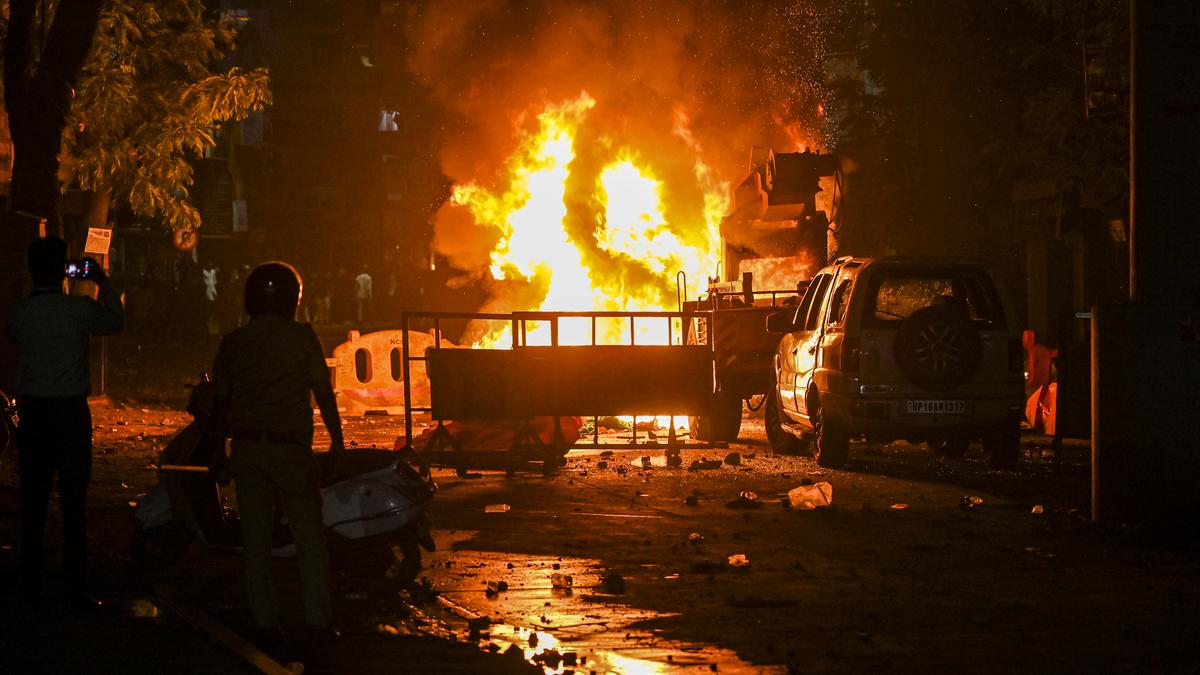
**Nagpur, Maharashtra, March 22, 2025** – Violent communal clashes erupted in Nagpur, Maharashtra on March 17, leaving 38 injured and prompting a temporary curfew. The unrest, which saw vehicles torched and homes attacked, is linked to the recent release of the Marathi film “Chhaava,” depicting the life of Chhatrapati Sambhaji Maharaj and his persecution by Aurangzeb.
The violence began after a protest demanding the demolition of Aurangzeb’s tomb, located 500 km away in Chhatrapati Sambhajinagar. The protest, organized by right-wing groups Vishva Hindu Parishad (VHP) and Bajrang Dal, escalated when a Quranic chadar (cloth) was reportedly set ablaze, angering the Muslim community. This ignited widespread stone-throwing, petrol bombing, and arson.
While Maharashtra Chief Minister Devendra Fadnavis blamed the film “Chhaava” for inciting the violence due to its graphic portrayal of Aurangzeb’s cruelty, the All India Majlis-e-Ittehadul Muslimeen (AIMIM) criticized this assertion, citing the film’s government promotion and accusing the BJP of playing “dirty politics.”
The police have arrested 99 individuals, including Fahim Khan, the city head of the Minority Democratic Party, on charges including sedition and the alleged molestation of a policewoman. Authorities claim to have video evidence linking VHP to the chadar burning, though the organization denies involvement.
The unrest, occurring just days before Prime Minister Narendra Modi’s visit to Nagpur, prompted a swift police response, which included imposing curfews in 11 areas. While the situation has largely calmed, heightened security measures remain in place, particularly around Aurangzeb’s tomb in Chhatrapati Sambhajinagar, where security has been significantly bolstered and access restricted. The tomb itself has been covered with tin sheets.
Residents from both Hindu and Muslim communities expressed shock and fear over the violence, highlighting the pre-existing harmony in the affected areas and lamenting the political manipulation that fueled the unrest. Many emphasized the need to move beyond divisive narratives and foster communal peace. The incident underscores the complex interplay of historical narratives, political opportunism, and community tensions in contemporary India.
 First Piper