
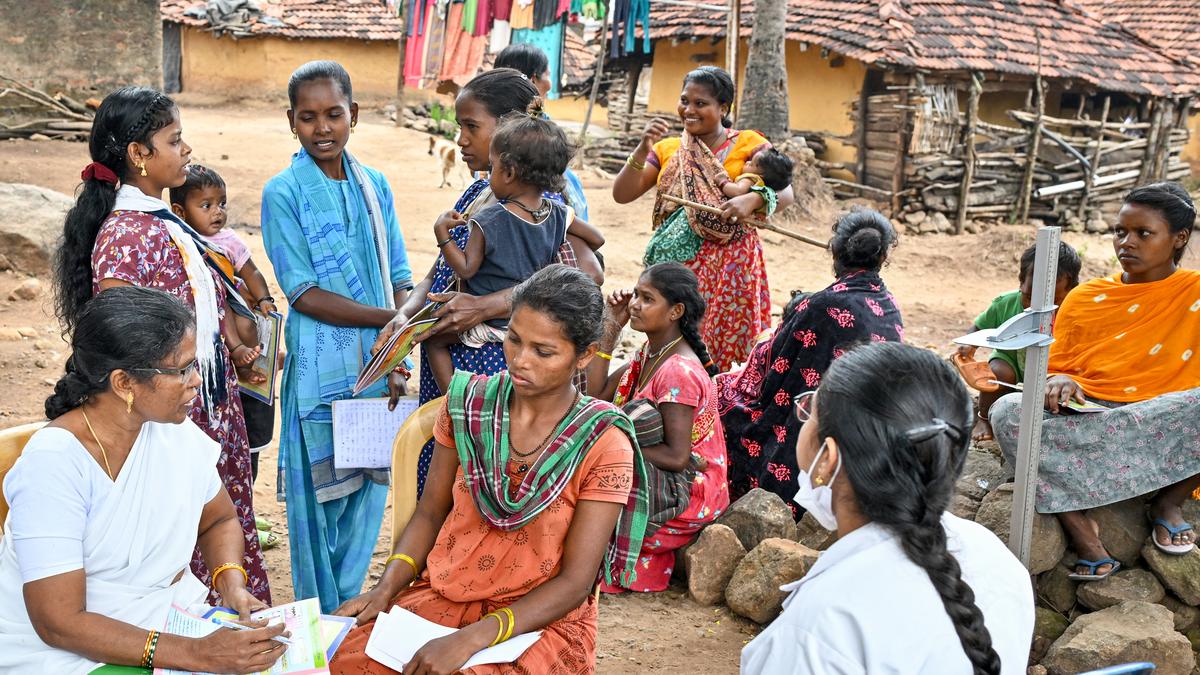
Fri Mar 21 03:06:17 UTC 2025: ## Sickle Cell Anemia Ravages Tribal Communities in Andhra Pradesh
**Visakhapatnam, Andhra Pradesh – March 21, 2025** – Sickle cell anemia is devastating tribal communities in Andhra Pradesh’s Alluri Sitharama Raju district, leaving families struggling with the disease’s high cost and lack of access to adequate healthcare. The genetic blood disorder, caused by inherited mutated hemoglobin genes, is particularly prevalent due to consanguineous marriages within the communities.
The debilitating condition causes misshapen red blood cells, leading to anaemia, severe pain, and other life-threatening complications. Families describe the constant worry and financial burden of managing the disease, with monthly expenses for treatment and specialized diets often exceeding ₹20,000. One father, Kumar, detailed his daughter’s struggles, including frequent hospital trips, jaundice, swelling, and breathing difficulties. Another resident, Praveen, recounted the tragic loss of his sister after a 15-year battle with the disease.
District Medical and Health Officer (DMHO) Jamal Basha attributes the high prevalence to traditional consanguineous marriages and nutritional deficiencies. While the government has implemented screening programs, identifying over 1,372 positive cases and 12,595 “traits” carriers in the last two years, the support provided – ₹10,000 financial assistance – is considered insufficient by many affected families. While treatment, including iron supplements and blood transfusions, is available at Government Paderu Hospital, severe cases still require referral to KGH in Visakhapatnam.
Tribal activists and community members call for increased awareness, improved access to healthcare in remote areas, and further research into a permanent solution, especially given the recent establishment of a medical college in the district. Concerns remain about the lack of awareness in some interior villages, leading to delayed diagnosis and tragic consequences. The disease poses a significant challenge to already impoverished tribal families, highlighting the urgent need for comprehensive government intervention.
 First Piper