
Sat Mar 15 01:06:47 UTC 2025: ## Senate Passes Controversial Spending Bill, Averting Government Shutdown
**WASHINGTON, D.C. —** The U.S. Senate narrowly avoided a government shutdown Friday, passing a Republican-backed spending bill by a vote of 54-46. The measure, which funds the government through September, faced fierce Democratic opposition due to concerns over its lack of input, cuts to social programs, and the broad discretion it grants the Trump administration.
Despite significant internal dissent, Senate Democratic Leader Chuck Schumer ultimately decided to avoid a shutdown, arguing that it would allow the Trump administration’s Department of Government Efficiency (DOGE) to accelerate its dismantling of federal operations and firing of federal workers. Ten Democrats broke ranks to allow the bill to proceed to a final vote, with two ultimately supporting the final passage.
The bill includes a $13 billion reduction in non-defense spending and a $6 billion increase in defense spending compared to the previous year. Democrats criticized the bill as a “blank check” for President Trump, citing the removal of hundreds of specific funding directives, giving the administration greater control over spending allocation. Concerns were raised about the potential redirection of funds away from combating fentanyl to mass deportation initiatives.
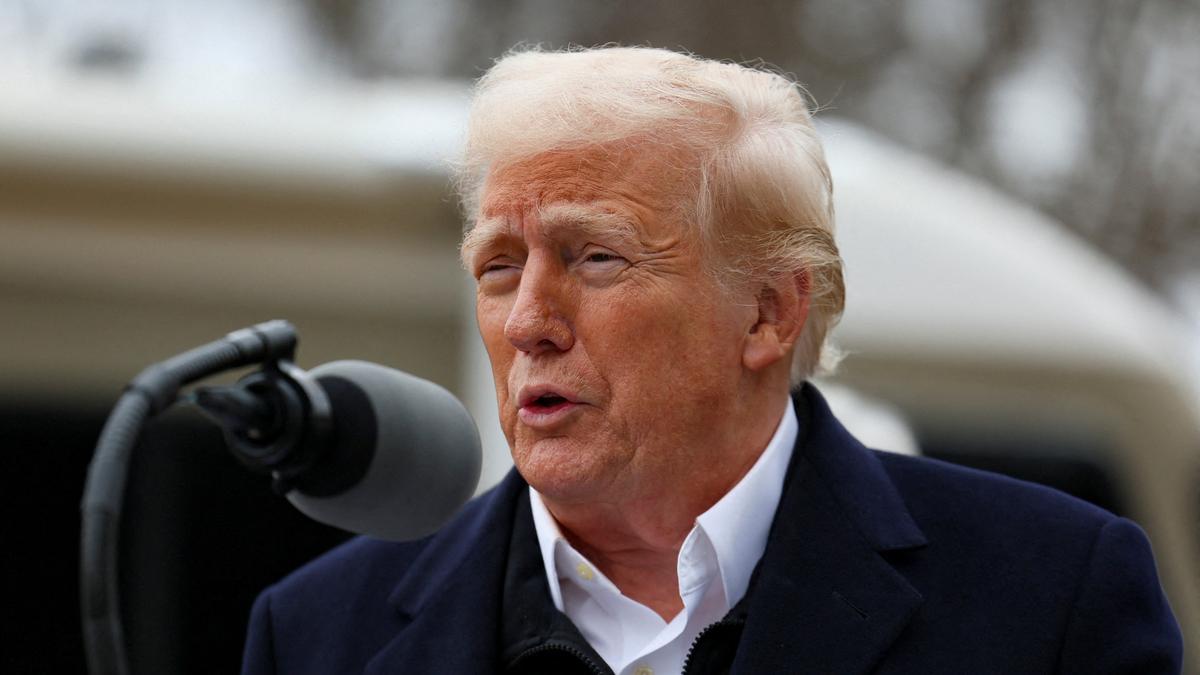
House Democrats expressed outrage at the Senate’s action, accusing their Senate colleagues of capitulation. While some Democrats argued that Republicans would bear the blame for a shutdown, Senate Majority Leader John Thune countered that the responsibility would lie with Democrats. President Trump, surprisingly, publicly praised Senator Schumer for his decision.
The passage of this continuing resolution marks the third short-term extension for the current fiscal year, highlighting Congress’s failure to pass annual appropriations bills. A separate bill to overturn an unintended provision reducing the District of Columbia’s budget was also unanimously approved by the Senate. The ongoing debate over the bill is seen as a prelude to a forthcoming Republican effort to extend tax cuts, potentially involving further government spending cuts.
 First Piper