
Fri Mar 14 16:16:59 UTC 2025: ## Indian Scientists Observe Flareless Coronal Mass Ejection from the Sun
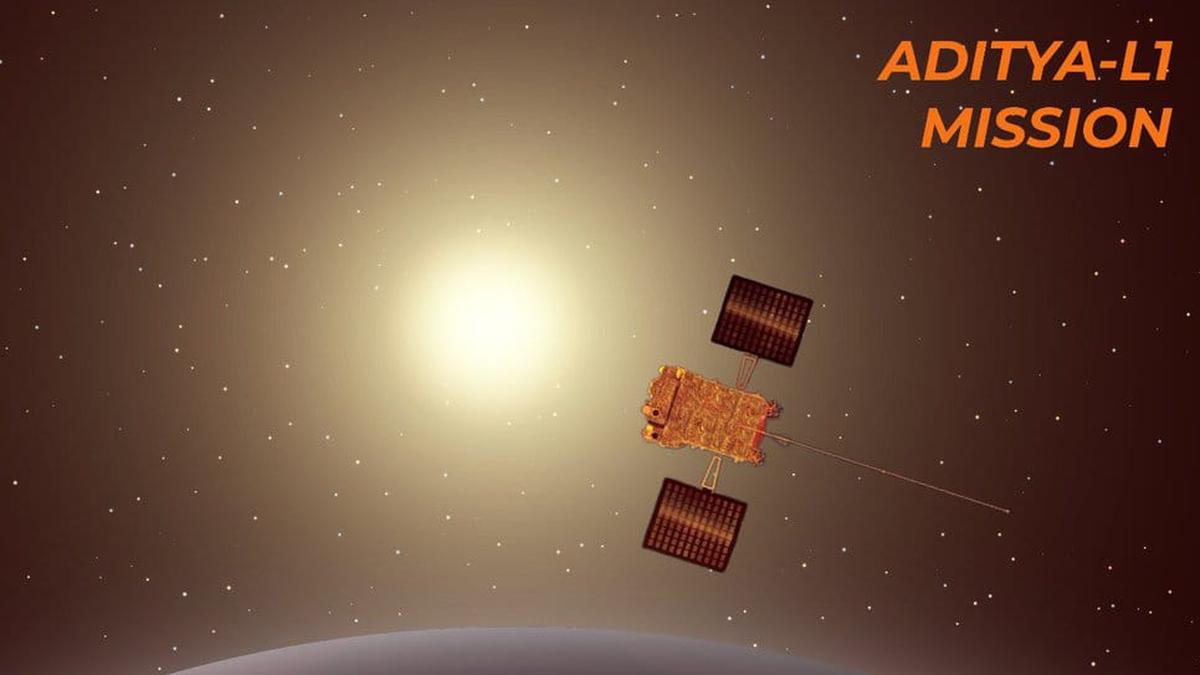
**Bengaluru, March 15, 2025** – Scientists from the Indian Institute of Astrophysics (IIA) have made a significant discovery using data from the Aditya-L1 mission, India’s first dedicated solar observation mission. The IIA’s Visible Emission Line Coronagraph (VELC) instrument aboard Aditya-L1 observed a coronal mass ejection (CME) on July 5, 2024, that occurred without an accompanying solar flare.
This observation is noteworthy because the relationship between CMEs and solar flares remains unclear. CMEs are massive eruptions of plasma and magnetic field from the Sun, while flares are explosive releases of electromagnetic radiation. While often linked, the occurrence of a CME without a flare provides valuable data to better understand the underlying magnetic instabilities on the Sun.
The VELC instrument’s unique design allows for close-up observation of CMEs near the solar limb and precise measurement of their onset time, providing advantages in studying the CME-flare association. The IIA scientists highlight the ability of VELC to observe the corona closer to its base and at shorter time intervals than other existing coronagraphs.
The findings, soon to be published in the Astrophysical Journal, are considered crucial as the Sun approaches the peak of its current solar cycle. With more frequent CMEs expected, continued monitoring by VELC will provide essential data for both Indian and international scientific communities. Principal Investigator R. Ramesh, senior professor at IIA, expressed his satisfaction with the instrument’s performance and the valuable data being collected.
 First Piper