
Wed Mar 05 09:52:32 UTC 2025: ## Ancient Teeth Reveal Surprising Diet of Early Hominins
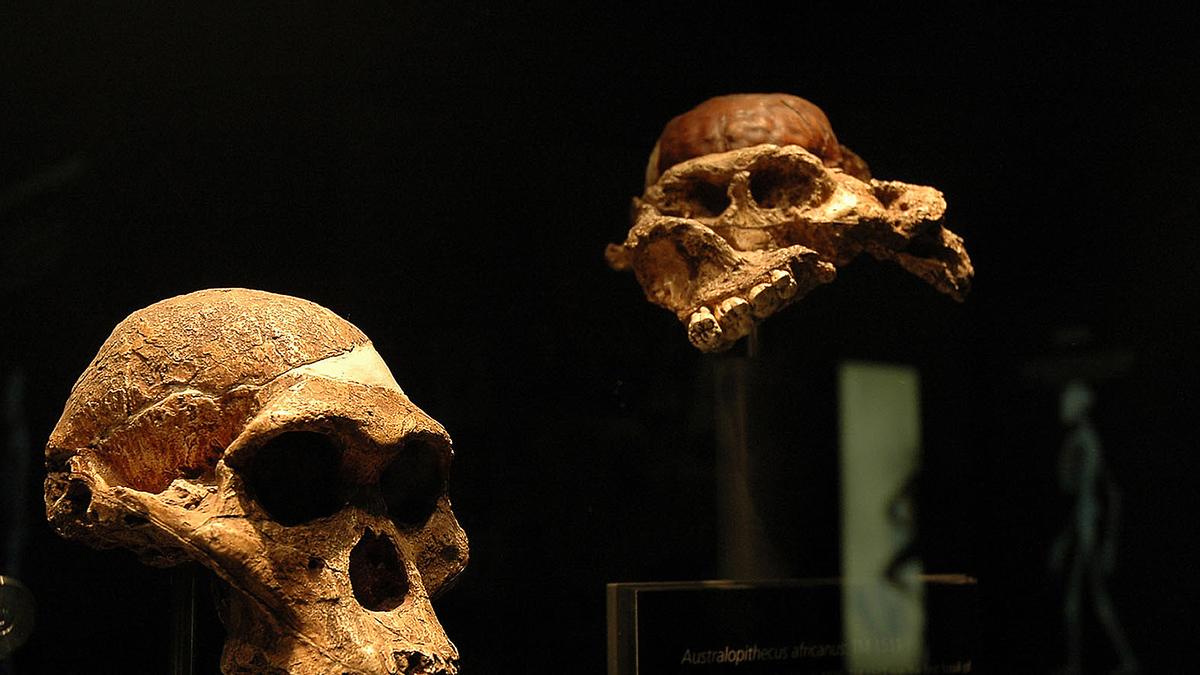
**Johannesburg, South Africa —** New research published in *The Conversation* sheds light on the dietary habits of early hominins, challenging long-held assumptions about the role of meat in human evolution. Scientists from the Max Planck Institute for Chemistry and the University of the Witwatersrand analyzed nitrogen isotopes in fossilized tooth enamel from *Australopithecus* specimens discovered in South Africa’s Sterkfontein Caves. These 3.4-million-year-old teeth revealed a surprisingly plant-based diet, with little to no evidence of regular meat consumption.
The study, led by Dr. Tina Lüdecke, employed a novel technique adapted from marine microfossil analysis to measure nitrogen isotopes, indicators of dietary protein sources. By comparing the isotopic signatures of the *Australopithecus* teeth with those of contemporary animals, the researchers found that the early hominins had a dietary profile similar to herbivores. While occasional consumption of insects or eggs couldn’t be ruled out, the findings strongly suggest a predominantly vegetarian diet for this early human ancestor species.
This discovery contradicts the prevailing theory that regular meat consumption was a key driver of brain growth and evolution in hominins. The research team emphasized that their findings are just a starting point, with future research focusing on broader geographical areas and further investigation into the timing and evolution of meat consumption within various hominin species. Understanding the role of meat in human evolution is crucial for grasping the complex interplay of environmental factors and dietary shifts that shaped our lineage.
 First Piper