
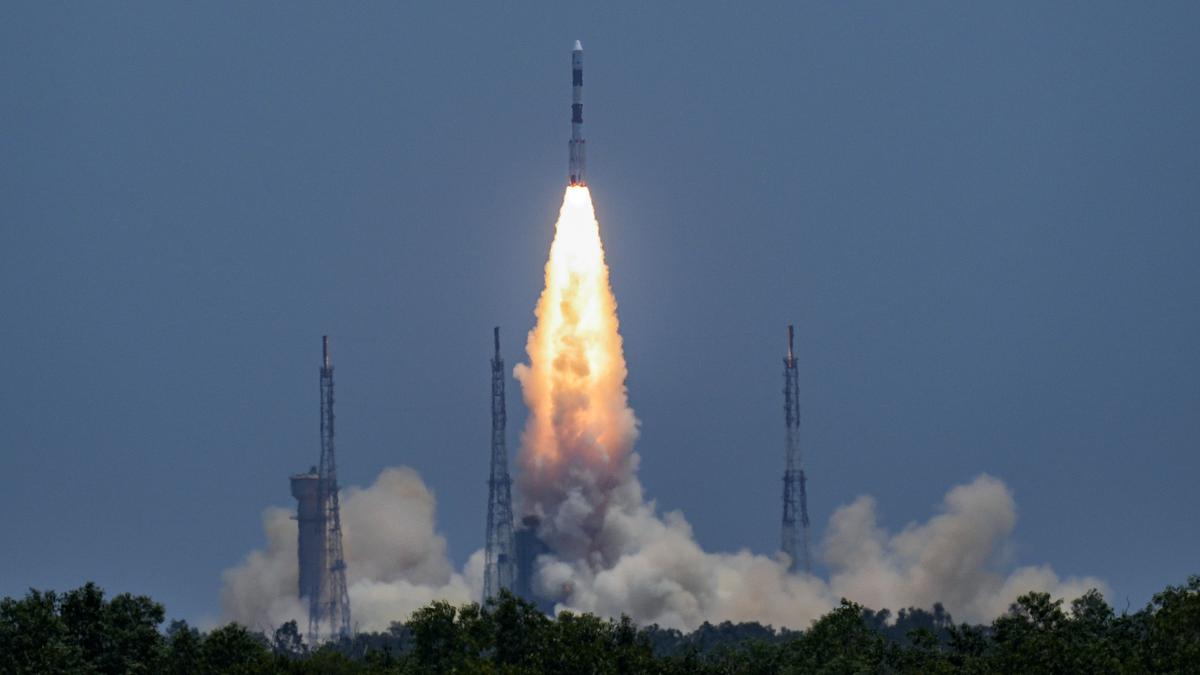
Thu Mar 06 00:00:00 UTC 2025: ## Falling Debris from Space: A Growing Legal and Safety Crisis
**New Delhi, March 6, 2025** – The increasing frequency of uncontrolled rocket and satellite debris falling to Earth is highlighting a critical gap in international space law and posing a significant safety threat, according to a recent article in *The Hindu*.
The article cites several incidents, including a 500kg metal object crashing in Kenya in December 2024, identified as a rocket separation ring, and previous incidents in the US and Australia. These events underscore the urgent need for stronger regulations governing space debris, which currently lacks a universally accepted legal definition.
While the 1972 Convention on International Liability for Damage Caused by Space Objects establishes “absolute liability” for launching states, enforcement remains a major challenge. The article points to the 1978 Cosmos 954 incident in Canada, where the USSR’s inadequate compensation highlighted the disparity between legal liability and practical redress. Further complicating matters is the difficulty in attributing debris to its source, particularly with older or fragmented objects.
The uncontrolled reentry of China’s Long March 5B rocket in July 2024, and similar incidents involving SpaceX rockets, exemplifies the problem. The lack of binding rules to penalize uncontrolled reentries until damage occurs is a major concern. The impending launch of numerous mega-constellations will exacerbate the issue, with thousands of aging satellites lacking deorbiting plans.
The article argues for several key reforms: binding global regulations requiring controlled reentries and penalties for non-compliance; stronger national policies mandating debris mitigation strategies; mandatory disposal rules including controlled reentries or movement to graveyard orbits; improved tracking systems; and modernization of the 1972 Liability Convention to include an independent international tribunal with binding enforcement powers. The author concludes that voluntary guidelines are insufficient and that enforceable rules and accountability mechanisms are crucial to prevent the sky from literally falling.
 First Piper