
Wed Mar 05 00:00:00 UTC 2025: ## Kashmir Faces Looming Drought, University Develops Action Plan
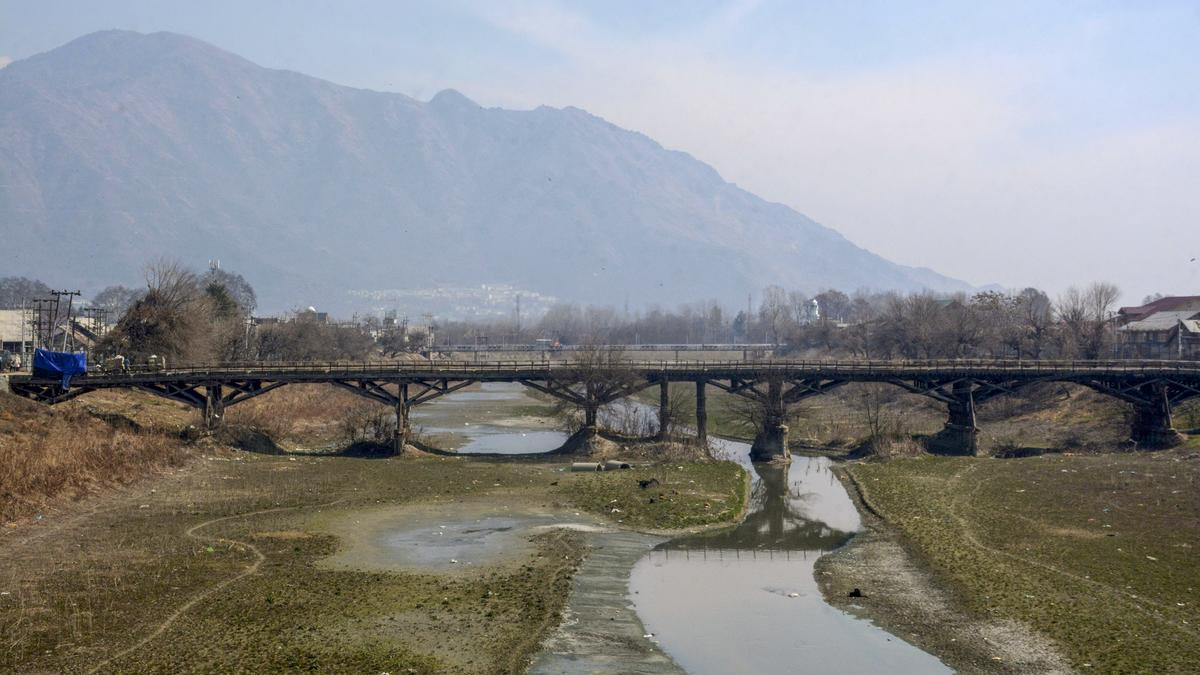
**Srinagar, March 5, 2025** – Kashmir is facing a potential drought after an unusually dry winter with an 80% rainfall deficit in January and February. The Sher-e-Kashmir University of Agricultural Sciences and Technology (SKUAST) has developed a comprehensive action plan to mitigate the impact on agriculture and other water-dependent sectors.
The plan, led by SKUAST Vice-Chancellor Nazir Ganai, focuses on two key areas: logistical support for farmers and farm advisory services. With seed availability critical, SKUAST produces at least 100 quintals of breeder seed annually, supplementing the 1.5 lakh quintals needed for the region. In anticipation of drought, the university recommends shifting to drought-resistant crops like maize (SMC-8 and SMH-5) and pulses, which require less water.
The action plan also includes drought mitigation strategies such as mulching, using anti-transpirant agents, and promoting water-saving irrigation techniques like drip irrigation and mist sprayers, already employed in saffron fields. The rise in temperatures is also leading to increased pest activity, prompting the university to issue advisories on innovative pest control measures.
SKUAST is developing crop calendars based on meteorological data, suggesting alternative crops for drought conditions. For vegetable production, particularly vulnerable in Budgam, the plan promotes heat-tolerant varieties like fava bean and cowpea, adjusted planting schedules, and improved soil management techniques. Fruit crops, which can’t be easily replaced, require specific mitigation strategies such as protective sprays for early blooming and anti-transpirant applications to combat water loss.
Addressing fodder shortages, a persistent problem worsened by drought, SKUAST has started cultivating fodder seeds in the Jammu region, producing 300 quintals of foundation seed last year. The university’s efforts aim to help farmers adapt to changing weather patterns and maintain agricultural productivity in the face of a potential drought.
 First Piper