
Wed Feb 05 12:29:52 UTC 2025: ## Deadly Hunt for “Himalayan Gold” Claims Lives on Qinghai-Tibetan Plateau
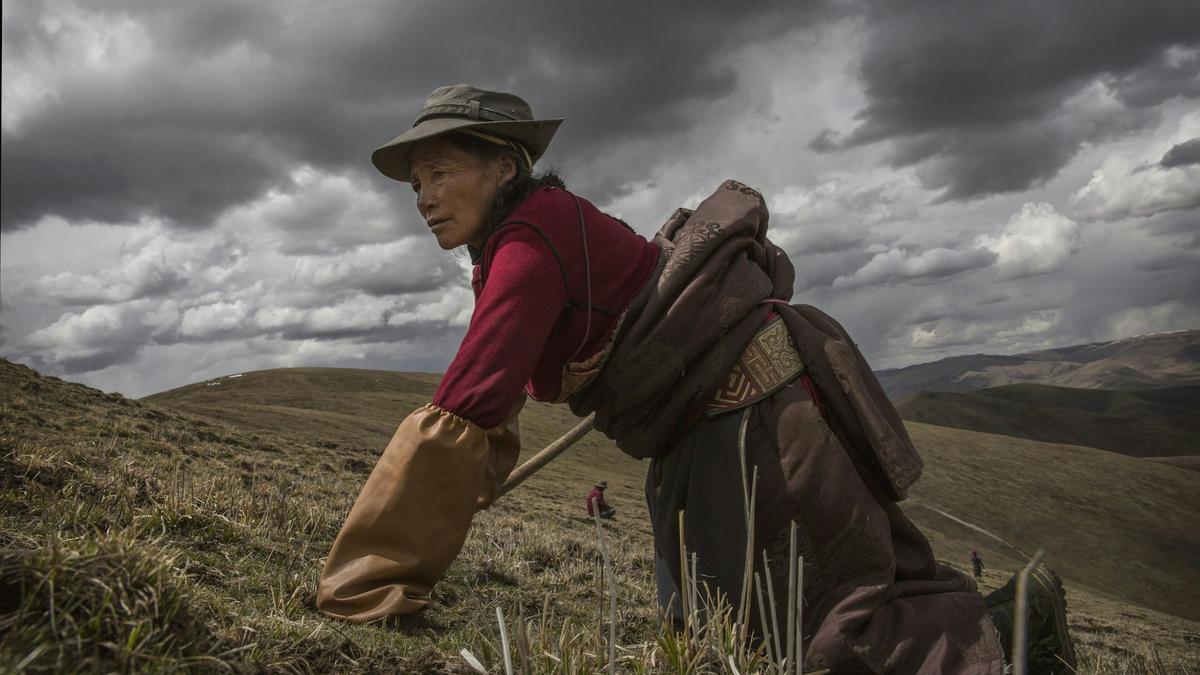
**February 5, 2025** – The lucrative trade of Ophiocordyceps sinensis, a rare fungus known as “Himalayan gold,” is claiming lives on the Qinghai-Tibetan Plateau. Harvesters risk deadly lightning strikes while searching for the fungus, which can fetch up to US$63,000 per pound in the herbal medicine market.
According to a recent study by Dr. Daile Zhang, an assistant professor of Atmospheric Sciences at the University of North Dakota, at least 31 lightning-related deaths and 58 injuries have occurred in the past decade among those collecting the fungus. Lightning fatality rates in key harvesting areas are 10 to 20 times higher than the national average in China, comparable to some of Africa’s most lightning-prone regions.
The danger is exacerbated by the high altitude, unpredictable weather, and lack of communication infrastructure in the remote mountainous regions. Harvesters often work at altitudes exceeding 5 kilometers, with little to no shelter during sudden storms. Adding to the peril are the risks of encountering wild animals, treacherous terrain, and the difficulty in accessing medical care in case of accidents.
The high-risk, high-reward nature of the trade stems from the limited economic opportunities available to villagers in this region. For many, harvesting the fungus represents their primary source of income. This precarious situation leaves them facing a stark choice between poverty and risking their lives.
While the local government provides lightning safety education, the information is often outdated and insufficient for these isolated communities. Furthermore, installing widespread lightning protection across the vast and rugged terrain is impractical. The unsustainable harvesting practices are also damaging the environment through soil erosion, deforestation, and pollution. Overharvesting threatens the fungus’s very existence, with scientists predicting its potential disappearance within the next few decades.
Efforts are underway to address this crisis. Researchers are exploring methods to cultivate the fungus, offering a potential alternative to wild harvesting. Governments in the region are implementing regulations to promote sustainability. However, a comprehensive solution requires tackling the underlying economic disparities and improving educational opportunities in these remote communities to provide alternative income sources and reduce reliance on the perilous harvest of “Himalayan gold.”
 First Piper