
Sun Feb 02 03:01:54 UTC 2025: ## India Doubles Down on MSME Support with Revised Classification and Credit Boost
**New Delhi, [Date of Publication]** – India’s Union Finance Minister Nirmala Sitharaman announced significant changes to the classification and support systems for Micro, Small, and Medium Enterprises (MSMEs) in the 2025-26 Union Budget. The investment limit for MSME classification will increase by 2.5 times, while turnover limits will double. This move aims to bring more businesses under the MSME umbrella, enabling them to access various government benefits and fostering growth.
The announcement was met with a mixed response from MSME sector experts. While many lauded the increased investment and turnover thresholds, praising its potential to stimulate growth and competitiveness, concerns remain regarding access to credit and bureaucratic hurdles.
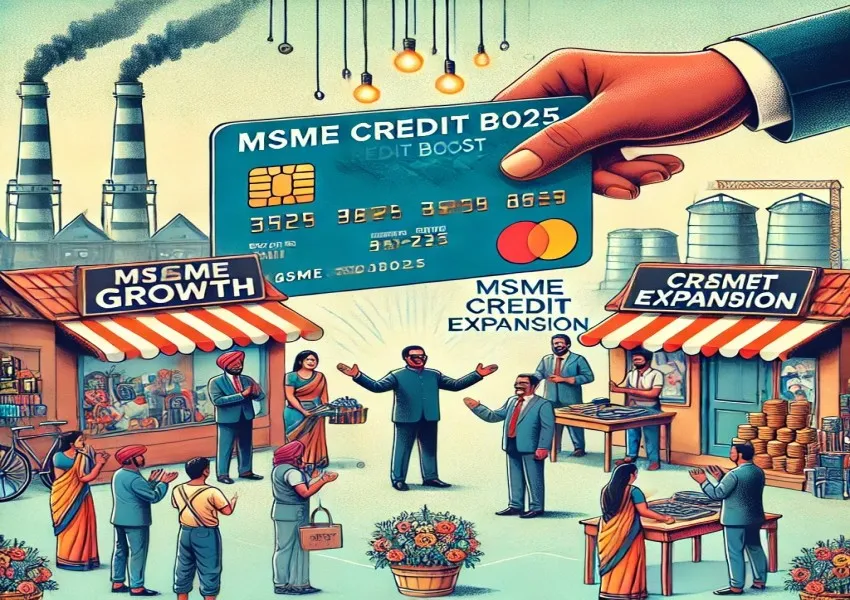
The budget also includes a significant increase in the credit guarantee cover for micro-enterprises, from ₹5 crore to ₹10 crore, injecting an estimated ₹1.5 lakh crore into the sector over five years. Furthermore, the government plans to issue 10 lakh credit cards, each with a ₹5 lakh limit, specifically for micro-enterprises registered on the Udyam portal. This is intended to improve access to working capital and streamline financial management for these businesses.
However, some experts, like Gurjodhpal Singh of Tide India, highlighted the need for a more focused approach leveraging AI and fintech partnerships to improve credit access. Others, such as Sanjay A. Chhabria of Nexdigm, cautioned about the increasing global competition from initiatives like “Make in USA,” urging Indian MSMEs to focus on enhancing productivity and adopting innovative technologies.
Despite these concerns, the overall sentiment is positive. The budget’s emphasis on MSMEs as a key engine of growth, coupled with the enhanced credit facilities and revised classification criteria, is expected to significantly impact the sector’s contribution to India’s economic development. The success of these initiatives will depend on effectively addressing the persistent challenges of timely and affordable credit access and simplifying bureaucratic procedures.
 First Piper