
Wed Jan 22 15:23:25 UTC 2025: ## Presidential Pardons Spark Outrage and Calls for Reform
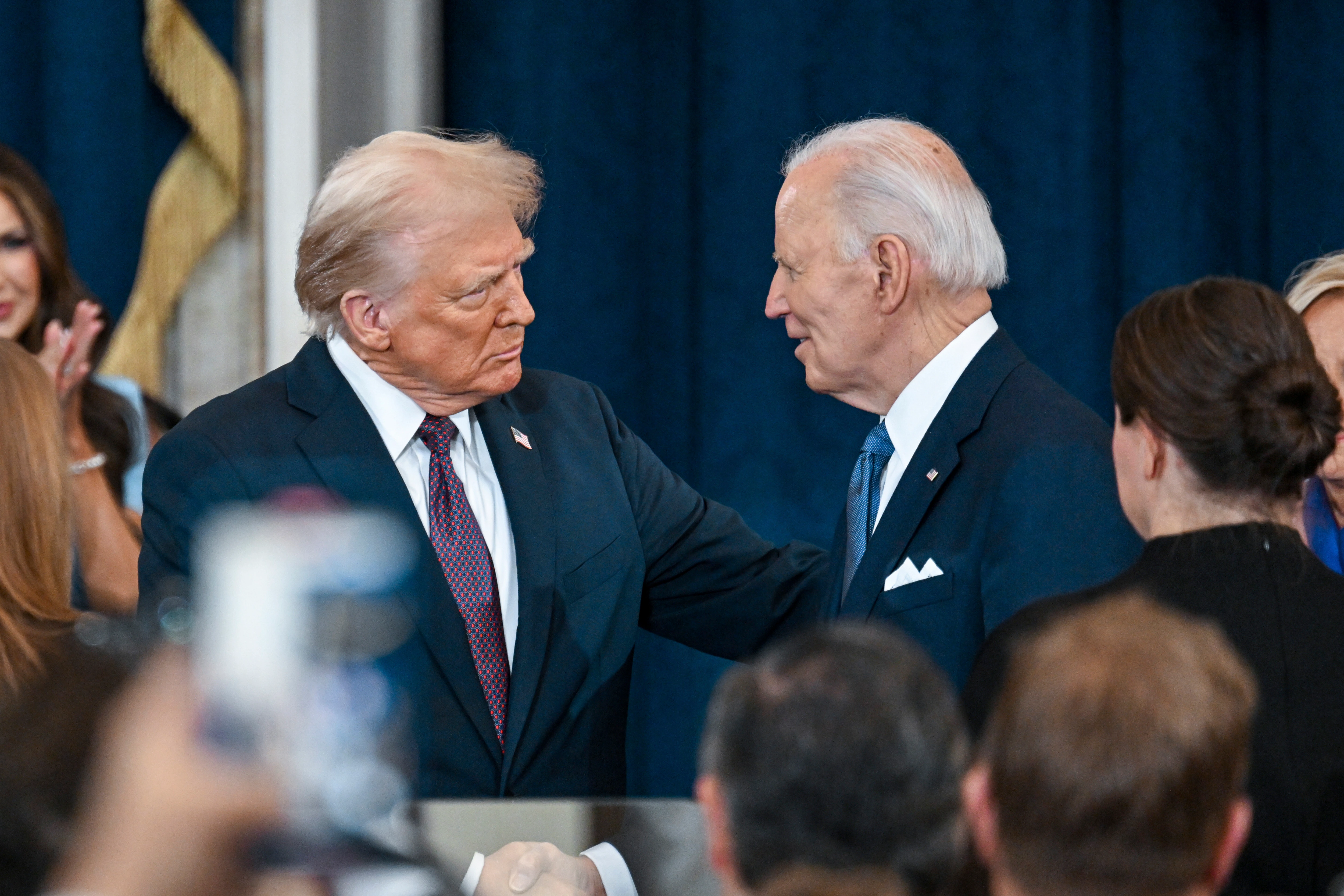
**Washington D.C.** – Outgoing President Biden and incoming President Trump both issued controversial pardons on the same day, sparking widespread criticism and reigniting the debate over the scope of presidential clemency powers.
Biden preemptively pardoned his family members, along with several high-profile officials including Dr. Anthony Fauci and General Mark Milley, and individuals involved in the January 6th committee. While Trump’s actions were arguably more egregious, pardoning nearly 1600 individuals charged in connection with the January 6th Capitol attack, including many convicted of assaulting police officers.
Critics argue that Trump’s pardons, motivated by political allegiance, severely undermine the rule of law. While Biden’s pardons, particularly those concerning family members, are seen as self-serving, his clemency for public officials is viewed by some as defensible given threats from Trump and his allies. Nevertheless, both sets of actions are seen as perverting the original intent of the pardon power, which was intended as an act of mercy, not a tool for political protection.
The sheer breadth of pardons granted by both administrations has exposed a glaring weakness in the system. The Constitution leaves the use of the pardon power largely unchecked, relying solely on a president’s conscience. This lack of oversight has emboldened both Republican and Democratic presidents to exploit the power for personal gain, significantly diminishing any moral high ground either party might claim.
The bipartisan misuse of the pardon power has fueled calls for Congressional reform, with a bill introduced in 2020 offering a potential starting point for curtailing the president’s expansive authority. However, even with such reforms, the inherent vulnerability of the system remains a persistent concern.
 First Piper