
Thu Dec 26 00:00:00 UTC 2024: ## Twenty Years After the 2004 Indian Ocean Tsunami: Lessons Learned and Ongoing Risks
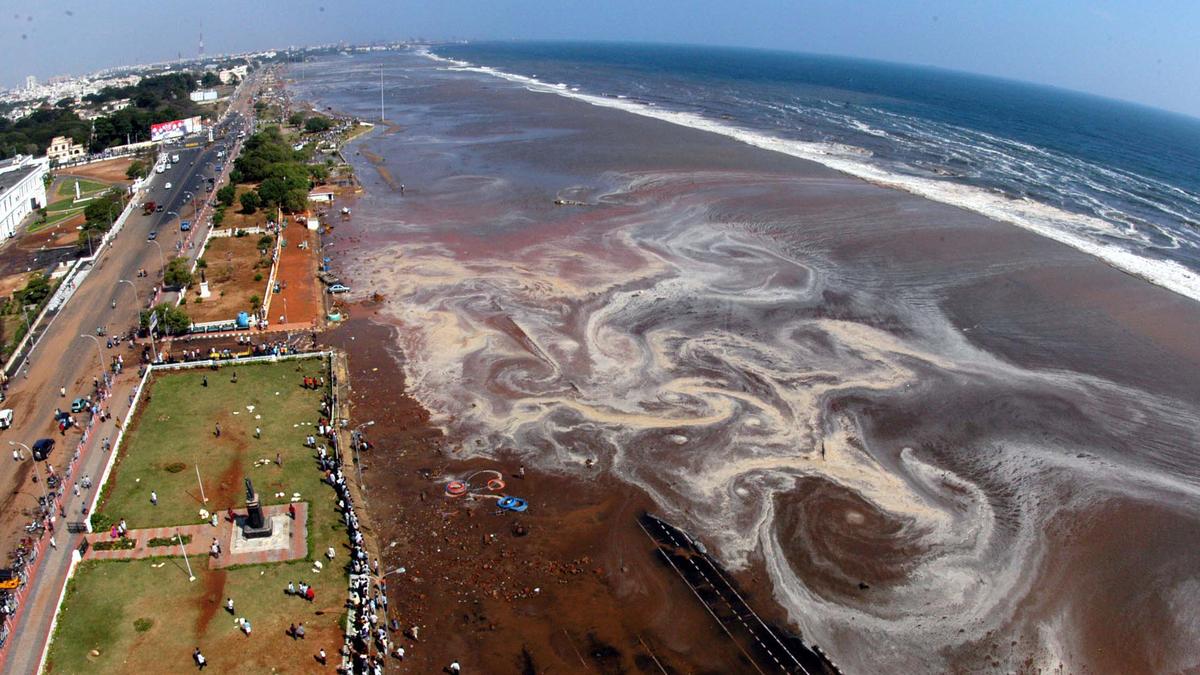
**Chennai, India** – December 26th marks the 20th anniversary of the devastating 2004 Indian Ocean earthquake and tsunami. The magnitude 9.1 earthquake, originating off the coast of Sumatra, triggered a tsunami that claimed an estimated 227,000 lives and displaced 1.7 million more, making it the deadliest tsunami in recorded history. The disaster impacted 17 countries, highlighting the world’s vulnerability to such natural hazards.
The 2004 event spurred significant advancements in tsunami research and warning systems. India, now equipped with the Indian Tsunami Early Warning Centre (ITEWC), can detect potential tsunami-producing earthquakes and issue alerts within approximately 10 minutes. This system, among the most advanced globally, utilizes seismological stations, bottom pressure recorders, and tidal stations across the Indian Ocean basin.
The catastrophe also revolutionized the field of tsunami geology. Research, inspired by the work of Brian Atwater, revealed evidence of past tsunamis along India’s coast, including one dating back approximately 1,000 years. This discovery, along with improved modeling techniques, helped researchers better understand inundation limits and the vulnerability of coastal infrastructure, particularly nuclear power plants.
While the Kalpakkam nuclear power plant successfully withstood the 2004 tsunami, the Fukushima Daiichi nuclear disaster in 2011 served as a stark reminder of the potential for catastrophic consequences. This underscores the ongoing need for robust safety measures.
Concerns remain about potential future events. Experts point to the Makran Coast and the Myanmar coast as areas with high tsunami risk. The possibility of a large, previously unanticipated earthquake along the Andaman-Sumatra subduction zone also cannot be discounted, particularly given ongoing large-scale development projects in the Great Nicobar area.
Recent research into “slow slips” – tectonic faults that move slowly but can precede major earthquakes – provides new insights into earthquake prediction, although much remains unknown. The 2004 tsunami, while devastating, has fundamentally advanced scientific understanding, prompting improved preparedness and resilience strategies, yet highlighting the continued need for vigilance and further research.
 First Piper