
Tue Dec 17 08:28:55 UTC 2024: ## One Nation, One Election Bill Faces Fierce Opposition in India’s Parliament
**New Delhi** – The Indian Parliament witnessed heated debates on Monday as the government introduced the Constitution (129th Amendment) Bill, aiming to implement “one nation, one election.” The bill, which proposes holding simultaneous elections for the Lok Sabha and state assemblies, has been met with strong opposition from several parties.
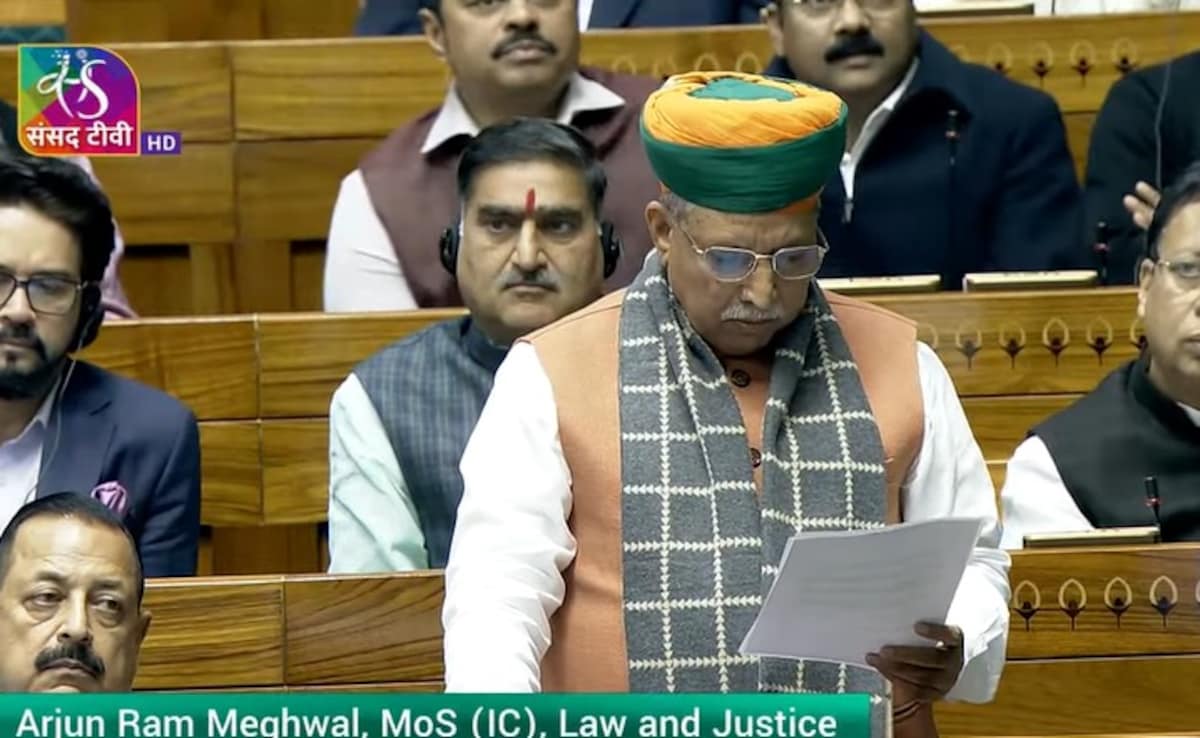
Law Minister Arjun Meghwal tabled the bill, which is expected to be referred to a joint parliamentary committee for further review. While the ruling BJP, as the largest party, will chair the committee, the opposition has launched scathing attacks against the proposal.
Congress leader Manish Tewari criticized the bill, arguing it exceeds the legislature’s authority. Samajwadi Party’s Dharmendra Yadav warned it could lead to dictatorship, while Trinamool Congress’ Kalyan Banerjee claimed it violates the Constitution’s basic structure. Similar concerns were raised by the DMK and NCP.
Despite the opposition, the BJP enjoys the support of some allies, including the TDP, YSR Congress Party, and a faction of the Shiv Sena.
The government defended the bill, asserting that simultaneous elections would enhance efficiency and streamline the electoral process. However, the opposition countered that the proposal is designed to undermine democracy. Union Minister Kiren Rijiju accused the Congress of lacking a reasonable argument against the bill.
The bill comprises two key amendments. The first links the terms of state assemblies to the Lok Sabha, meaning state elections held after 2029 would align with the Lok Sabha’s five-year term. The second seeks to synchronize the election cycles of Puducherry, Delhi, and Jammu and Kashmir with other states. These changes, however, are unlikely to take effect before the 2034 elections.
The bill’s passage is not expected to require ratification by state legislatures, a significant advantage for the BJP given the opposition from several non-BJP ruled states. However, any future proposals for a common electoral roll or the synchronization of local body elections would require the approval of at least half the states. The bill’s origins lie in a report submitted by a panel headed by former President Ram Nath Kovind.
 First Piper