
Mon Dec 09 08:08:37 UTC 2024: ## India Deepens Ties with West Asia Amidst Regional Instability
**New Delhi, December 24, 2024** – India is significantly expanding its strategic partnerships with West Asian nations, prioritizing multifaceted cooperation amidst escalating regional conflicts. This “Act West” policy, a marked shift from previous transactional approaches, sees India forging deeper bonds with the Gulf Cooperation Council (GCC) nations, aligning with their own visions for regional development.
The UAE, India’s third-largest trading partner, exemplifies this strengthened relationship, with six visits from Prime Minister Narendra Modi and four visits from Emirati leaders in the past decade. Similar high-level exchanges have taken place with other GCC nations, signifying a mutual commitment to bolstering strategic ties. PM Modi has also received the highest honors from several of these countries, underscoring the growing importance of the relationship.
Beyond bilateral agreements, India is actively engaging in multilateral frameworks including I2U2 (India, USA, UAE, and Israel), IUSU (India, UAE, Saudi Arabia, USA), India-GCC, and the IMEEC (India-Middle East-Europe Economic Corridor). India’s participation in G20 and COP mechanisms further demonstrates its commitment to regional and global cooperation.
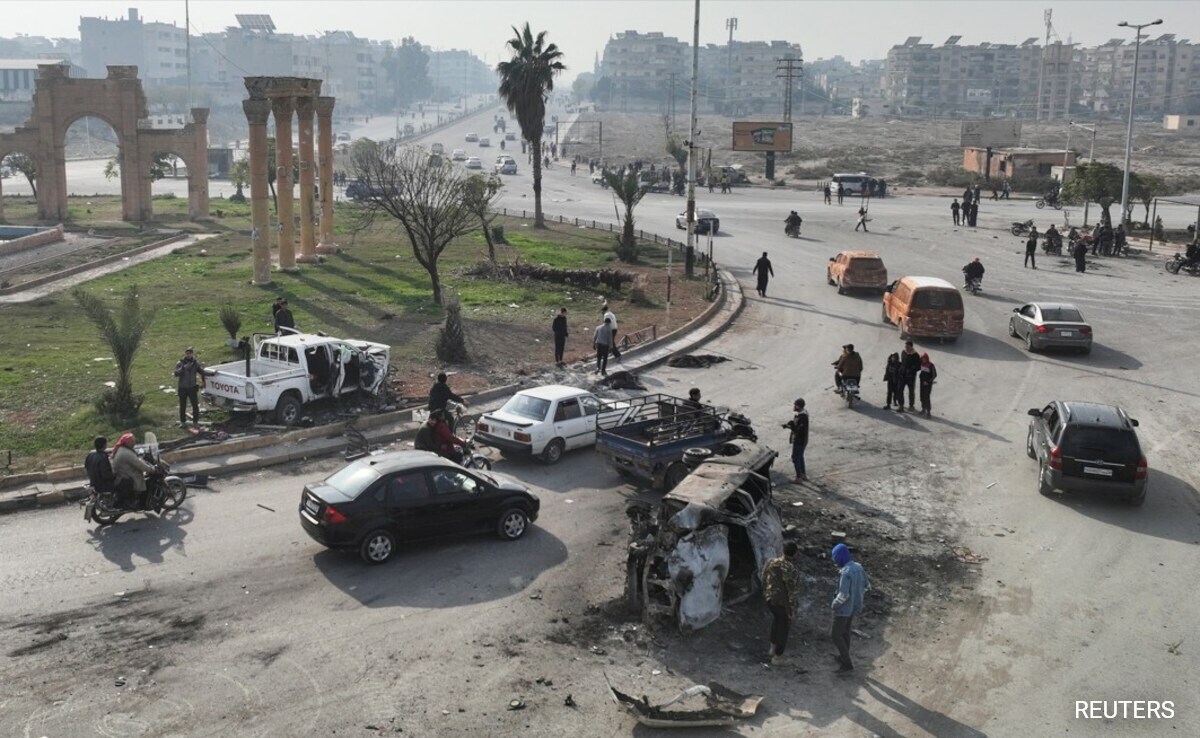
However, the ongoing conflict in Gaza, along with instability in Lebanon and Syria, poses significant challenges. These conflicts threaten India’s energy security, food security, economic engagement, and the well-being of its ten million expatriates in the region. The lack of significant intervention from major global powers further complicates the situation.
To address these concerns, India has increased high-level diplomatic engagement. Recent visits and meetings include External Affairs Minister S. Jaishankar’s tour of Qatar and Bahrain, discussions with Kuwaiti Foreign Minister Abdullah Ali Al Yahya, and the 13th round of Foreign Office Consultations with Egypt. These meetings focused on bilateral cooperation and regional stability.
The frequent high-level interactions – including meetings between Indian and Saudi Arabian foreign ministers, and between PM Modi and Iranian President Pezeshkian – highlight India’s proactive approach to navigating regional instability. While the Indian Navy is already enhancing maritime security, the escalating conflicts underscore the need for pragmatic approaches from major global powers to prevent further escalation.
 First Piper