
Wed Nov 27 00:00:00 UTC 2024: **India Makes Strides in Space Exploration with Multiple Launches and Private Sector Growth**
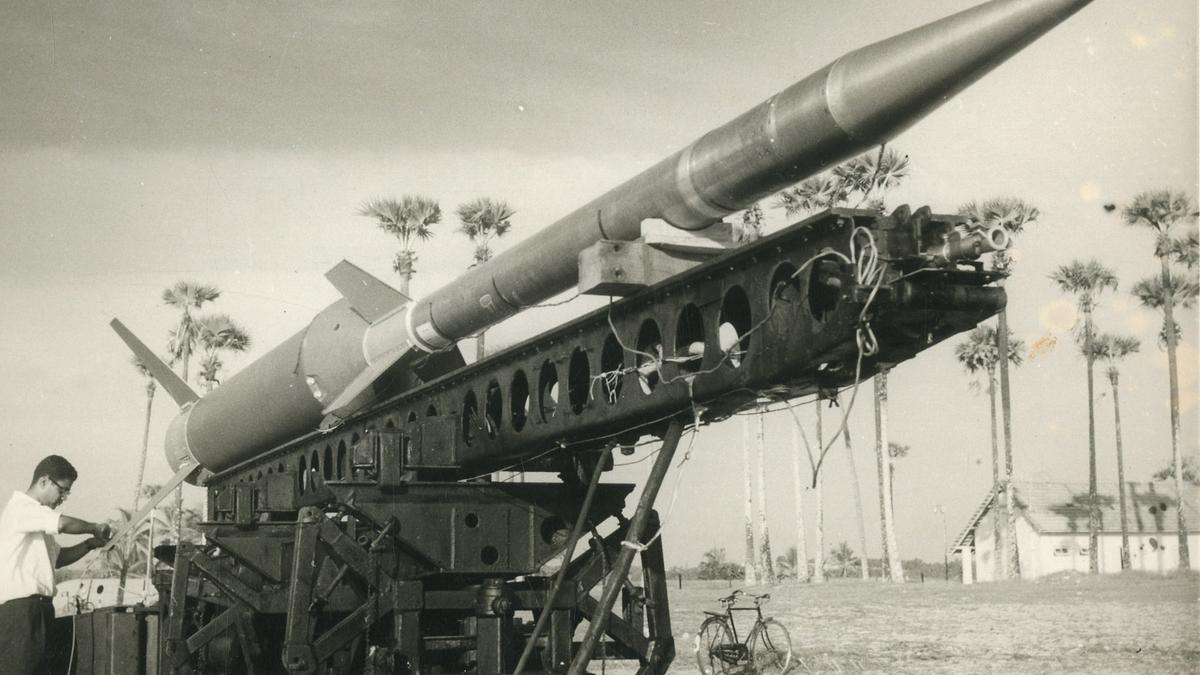
**Bengaluru, India (November 27, 2024)** – India’s space program celebrated its 61st anniversary this week with a flurry of activity, highlighting significant advancements and the burgeoning role of the private sector. The highlight was the launch of the 4,700-kg GSAT-N2/GSAT-20 communication satellite aboard a SpaceX Falcon 9 rocket, a necessary measure due to its exceeding the payload capacity of India’s most powerful rocket, LVM-3. This marks a significant milestone, with the last such launch from Florida occurring in 1990. GSAT-N2, built by ISRO, aims to improve broadband services across underserved regions.
Further showcasing India’s space ambitions, ISRO is preparing for the PSLV-C59 mission, carrying the European Proba-3 mission to study the Sun. This launch, utilizing the extended length configuration (XL) PSLV, is scheduled for December 4th. Simultaneously, Indian astronaut-designate Shubhanshu Shukla is undergoing training at the European Space Agency for his upcoming International Space Station mission in 2025.
The private sector is also making significant contributions. Pixxel unveiled its “Fireflies” constellation of six hyperspectral satellites, slated for launch early next year, capable of providing valuable data for various applications, including agricultural monitoring and environmental protection. Other private companies, including GalaxEye Space, PierSight Space, and HEX20, are also preparing for upcoming launches, demonstrating a growing ecosystem of private space ventures within India. Catalyx Space’s SR-0 satellite, launched earlier this month, successfully completed its mission objectives.
Beyond satellite launches, India’s involvement in international collaborations continues to expand. The country secured full membership in the Square Kilometre Array Observatory (SKAO), contributing both financially and technologically to the construction of the world’s most advanced radio telescope. Furthermore, the Aditya-L1 mission provided its first scientific result, accurately predicting a coronal mass ejection, as published in the Astrophysical Journal Letters.
Finally, India is also looking to the future with plans for biological experiments on the upcoming Bharatiya Antariksh Station, furthering the country’s scientific endeavors in space. AAKA Space Studio’s Space Analog Mission in Leh, Ladakh, is also testing the viability of habitats for future space missions. India’s strides in space technology and its increasing collaboration with international partners position it as a significant player in global space exploration.
 First Piper