
Sat Nov 23 08:37:48 UTC 2024: ## Egyptian Cement Plant Fuels Climate Debate: US Coal Exports Under Scrutiny
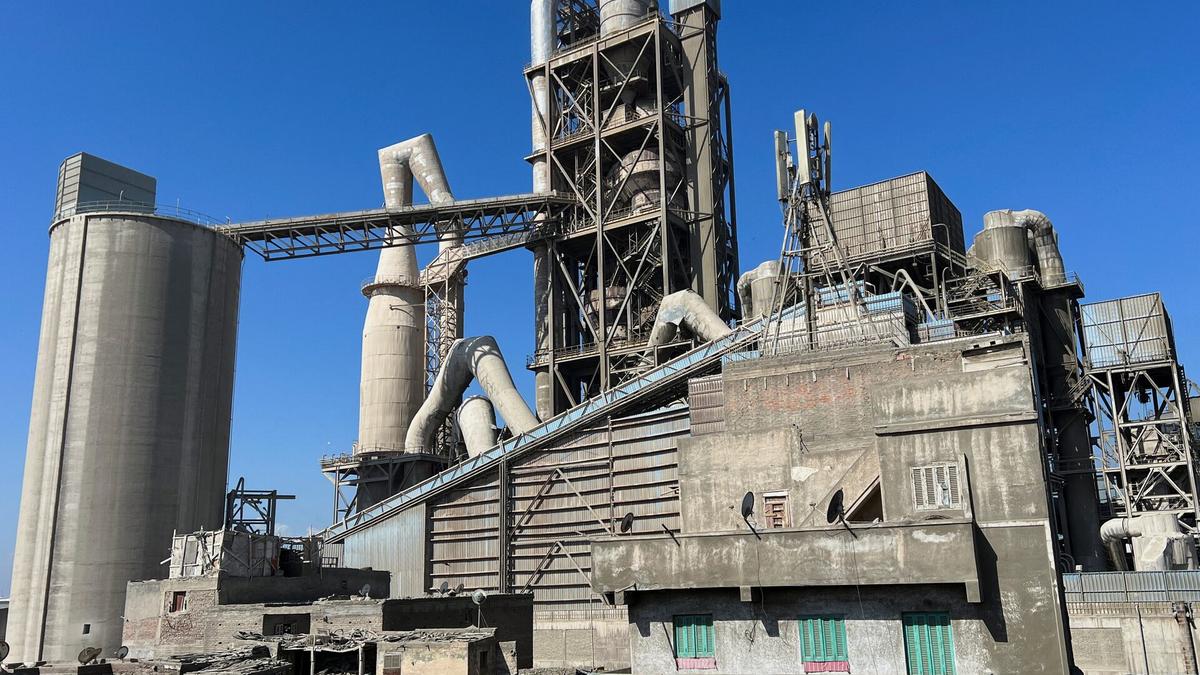
**Alexandria, Egypt & Baku, Azerbaijan –** A cement factory in Alexandria, Egypt, operated by a subsidiary of Greece’s Titan Cement, is at the center of a growing controversy highlighting the complexities of international climate policy. Residents accuse the plant of polluting the air with coal dust, while the company maintains its emissions are within legal limits. This situation underscores a larger issue debated at the COP29 climate conference in Baku: the accountability of fossil fuel exporting nations for emissions generated abroad.
The Alexandria plant, like many in the region, uses imported coal, much of it sourced from the United States. U.S. coal exports have surged in recent years, fueled by robust domestic production and high global demand, particularly from cement and brick manufacturers in North Africa. This has led to accusations of hypocrisy, as the U.S. simultaneously pursues climate goals while significantly increasing its fossil fuel exports.
Data from Climate Action Tracker and the International Energy Agency reveals that U.S. fossil fuel exports contributed to over 2 billion tons of CO2 equivalent emissions in other countries in 2022— roughly one-third of its domestic emissions. This pattern is replicated in other major exporting nations like Norway, Australia, and Canada, where exported emissions exceed domestic ones.
While the White House argues that maintaining strong domestic energy production is necessary to keep consumer prices low during the energy transition, critics, including President-elect Donald Trump, advocate for further fossil fuel production. Other countries, like Norway, emphasize individual national responsibility for emissions reduction.
The situation in Alexandria highlights the environmental and health consequences of this global fossil fuel trade. A study by Egyptian universities found increased air pollution levels near the plant since the switch to coal. Local residents are engaged in a protracted legal battle with the company, challenging the legality of the plant’s operations. A court ruling is expected in December.
The controversy exposes the gap between national climate commitments under the Paris Agreement and the reality of international fossil fuel trade. The debate underscores the need for a more comprehensive international framework to address emissions generated from fossil fuels exported globally, a point emphasized by several nations at COP29.
 First Piper