
Fri Nov 22 14:30:00 UTC 2024: ## COVID-19’s Unexpected Ally: White Blood Cells Show Promise in Cancer Fight
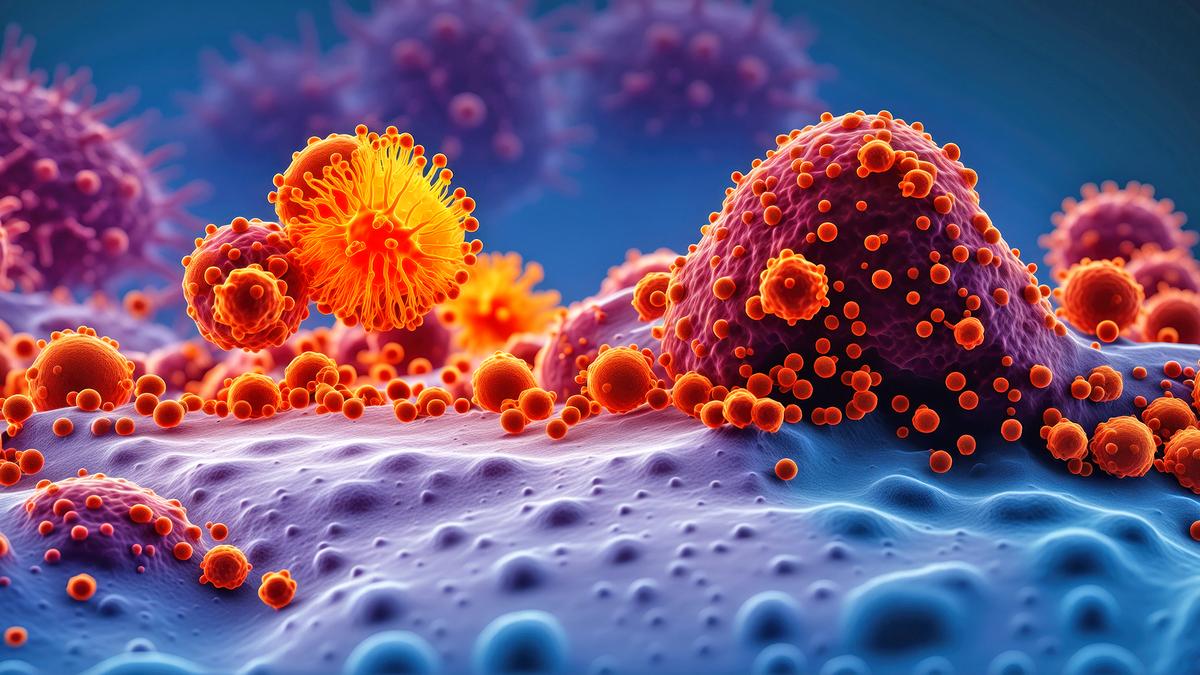
**CHENNAI, INDIA – November 22, 2024** – A groundbreaking study from Northwestern University suggests that white blood cells activated by severe COVID-19 infections may hold the key to combating cancer metastasis. Researchers found that induced non-classical monocytes (I-NCMs), a specialized type of white blood cell, can effectively slow the spread of cancer in laboratory mice.
The study, published in the November issue of *The Journal of Clinical Investigation*, demonstrates that I-NCMs, generated during severe infections like COVID-19 or through certain chemical treatments, migrate to tumors and attack cancer cells. They achieve this, in part, by recruiting natural killer (NK) cells, another crucial component of the body’s immune system, to the tumor site.
While rare instances of cancer remission following COVID-19 have been reported, the connection remains unclear. However, the Northwestern research provides a potential mechanistic explanation, highlighting the immune system’s ability to naturally target cancer cells. This builds upon the growing field of immunotherapy, which aims to harness the body’s own defenses against cancer.
The findings are particularly significant given the challenges faced by current cancer treatments. Immunotherapy, while showing promise in specific cases (such as with immune checkpoint inhibitors in certain rectal cancers), is not universally effective. Similarly, attempts to use chemical methods to generate I-NCMs have shown limited success in clinical trials.
The research team’s discovery of I-NCMs’ role in combating metastasis offers a new avenue for cancer treatment. Although further research is needed to replicate these findings in humans, the study represents a significant step forward in the fight against this formidable disease. The potential to harness the body’s own immune response to effectively target and destroy cancer cells offers a beacon of hope for future cancer therapies.
 First Piper